 Velorix
Velorix
Velorix
The demand for GPU servers is growing rapidly. According to a recent report by Fortune Business Insights, the GPU server market is expected to reach $50 billion by 2026, growing at a compound annual growth rate (CAGR) of 30%. This trend highlights the crucial role that GPU server manufacturers play in various industries, including AI, machine learning, and data analytics.
Choosing the right GPU server manufacturer is essential for your business. Performance, reliability, and support are critical factors to consider. Leading manufacturers like NVIDIA and AMD offer specialized solutions tailored for different workloads. However, not all manufacturers provide the same level of expertise or quality. Evaluating their capabilities can be challenging, especially with so many options available.
In this rapidly evolving landscape, businesses must remain vigilant. Emerging technology trends continually reshape the GPU server market. Companies that fail to adapt may struggle to stay competitive. The right GPU server manufacturer can make a significant difference, ensuring that your resources are optimized for success. Investing wisely in a suitable GPU server framework can lead to substantial long-term benefits.
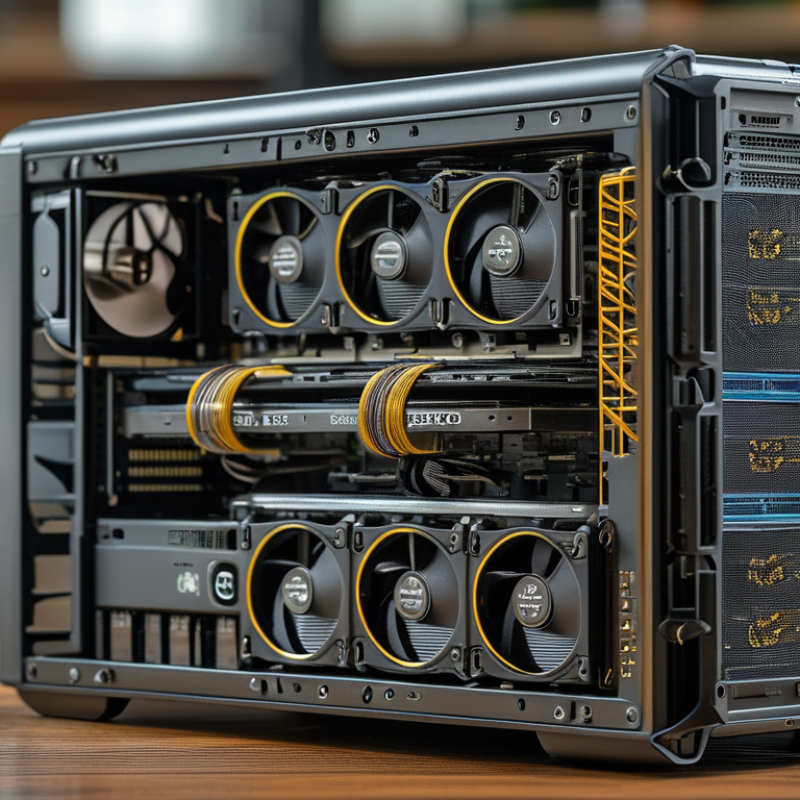
GPU server technology plays a vital role in modern business operations. These powerful systems accelerate data processing, artificial intelligence, and machine learning. Companies benefit from improved performance and faster decision-making capabilities. The importance of leveraging GPU servers is clear, especially as data needs continue to grow.
When selecting a GPU server, consider your specific requirements. Assess your workloads and determine if you need more memory or processing power. Make sure to evaluate the scalability of the system. Adapting to changing business demands is essential.
Tip: Look for systems that offer flexibility in configurations. This adaptability can save costs in the long run. Don’t overlook reliability. A dependable GPU server minimizes downtime, which directly impacts productivity. Be mindful of vendor support as well. Good support can make a significant difference during critical moments.
: GPU servers excel in processing large datasets and enhancing graphics performance. They are also vital for AI applications.
Companies often struggle due to factors like performance, support, and cost. Long-term benefits can be easily overlooked.
Focus on processing power, memory capacity, and energy consumption. Specific tasks and workloads are essential for guidance.
Not all manufacturers deliver on their promises. Real-world performance often differs, so user experiences are crucial to evaluate.
Demand for efficient servers is rising due to AI and machine learning growth. Energy-efficient designs can reduce operational costs.
Integration challenges with existing infrastructure and scalability concerns can impede effective implementation and performance.
Security is a critical concern. Cyber threats evolve with technology, making regular updates to protocols essential for protection.
Engaging with vendors and obtaining thorough feedback can help reveal strengths and weaknesses. Always assess real-world applications.
Professional advice can navigate complexity and help match solutions to unique business needs, enhancing overall decision-making.
No, it’s important to test different configurations. Not every server fits all needs; find one tailored to your specific tasks.
In today's data-driven landscape, GPU servers play a crucial role in enhancing computational power, making them essential for businesses that rely on advanced analytics and machine learning. When selecting a GPU server, it is important to consider key specifications such as processing power, memory capacity, and scalability to ensure optimal performance for specific business needs.
This article explores the landscape of GPU server manufacturers, offering insights into their market share statistics and performance metrics. By comparing the leading brands, businesses can make informed decisions that align with their technological requirements. Furthermore, the article discusses future trends in GPU server technology and industry growth projections, highlighting the increasing significance of GPU servers in driving innovation across various sectors.
