Velorix
Velorix
Velorix
In the era of hyper-scale AI training, distributed databases, and high-performance computing (HPC) nodes running models like DeepSeek, the cost of data corruption has grown exponentially. According to recent industrial data center whitepapers, unmitigated storage failures and prolonged recoveries contribute to billions of dollars in structural enterprise losses annually. As a result, global operations are shifting from reactive software-based recovery tools to proactive, hardware-level fault tolerance and hardware-embedded data recovery architectures.
Modern storage architectures demand components designed to resist electromagnetic interference (EMI) and power failures, which are primary vectors for physical blocks collapsing. Solid-state drive controllers, ECC memory chips, and high-density processor interfaces must coordinate to prevent "silent data corruption"—a state where single-bit flips gradually degrade file system metadata until recovery becomes impossible. CE certification acts as a critical benchmark, assuring enterprises that the processing and storage infrastructure meets strict European directives for physical shielding, electrical stability, and thermal resilience under extreme computational workloads.
Isolating faulty NAND chips or RAM channels dynamically, allowing systems to remain operational without cascading storage pool drops.
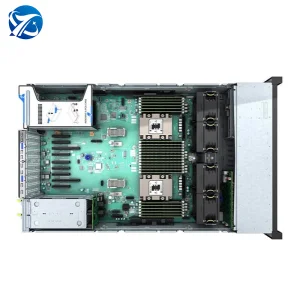
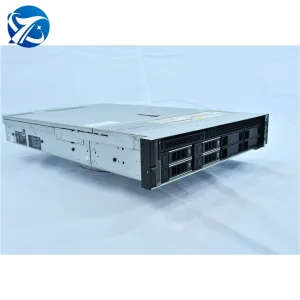
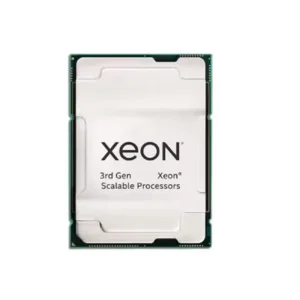
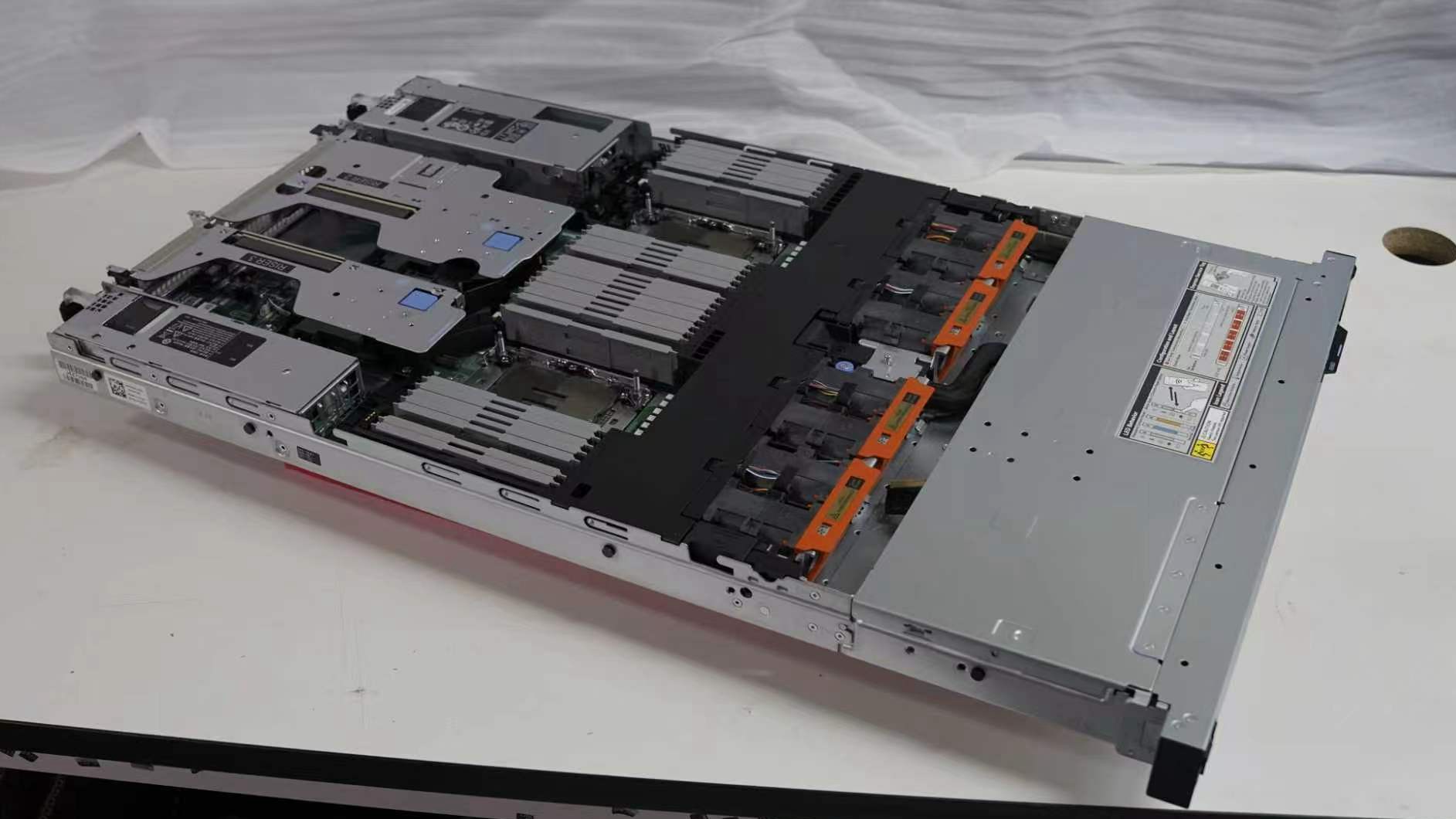
Dual-socket Intel Xeon architectures and redundant power supplies (CRPS) designed to withstand sudden load drops without corrupting cached data.
Real-time firmware mirroring and power loss protection (PLP) designed to purge dirty page caches to stable non-volatile media in milliseconds.
Founded in 2016, Velorix Intelligent Technology Co., Ltd. has established itself as an authoritative manufacturer and exporter of state-of-the-art AI GPU servers, high-performance computing (HPC) environments, and customized storage architectures. With a high-precision, optimized production facility covering 380m², Velorix specializes in designing, assembling, and benchmarking complex servers capable of holding critical data under extreme conditions.
By integrating over a decade of domain expertise and six years of robust export operations, Velorix delivers critical data recovery-capable hardware configurations to North America, Europe, the Middle East, Southeast Asia, and Oceania. Our annual export revenue exceeds USD 12 million, demonstrating commercial trust from enterprise data center managers globally. Our supply chain features over 850 strategic technology providers, guaranteeing access to high-grade silicon, resilient SSD controllers, and error-correcting memories.
Our internal R&D team, comprised of 135 design engineers, works continuously to optimize thermal structures, signal paths, and layout footprints. This expertise enabled us to roll out 168 customized computing variants in the past year alone, adjusting to requirements from major cloud systems and bespoke private infrastructures.
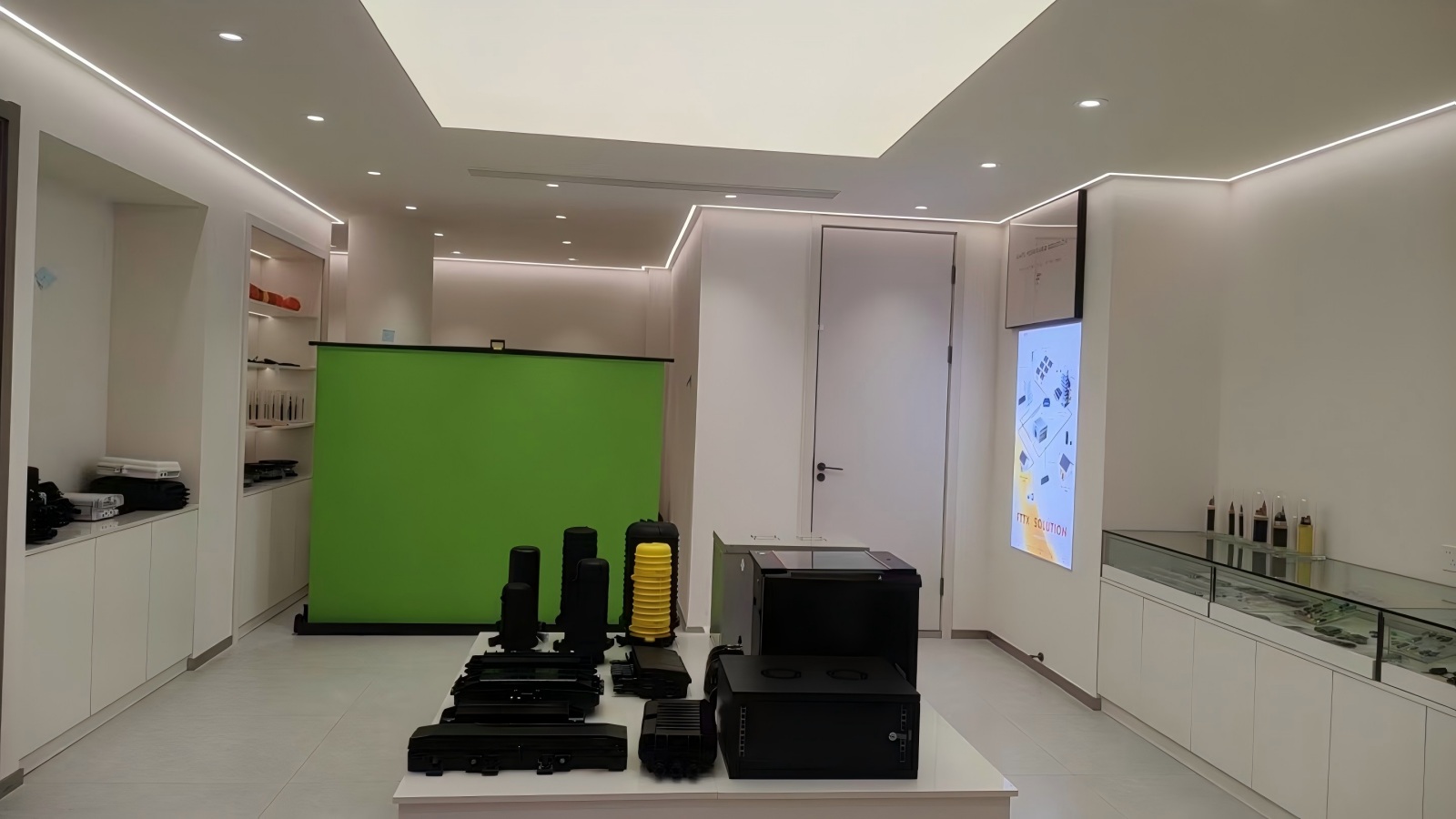
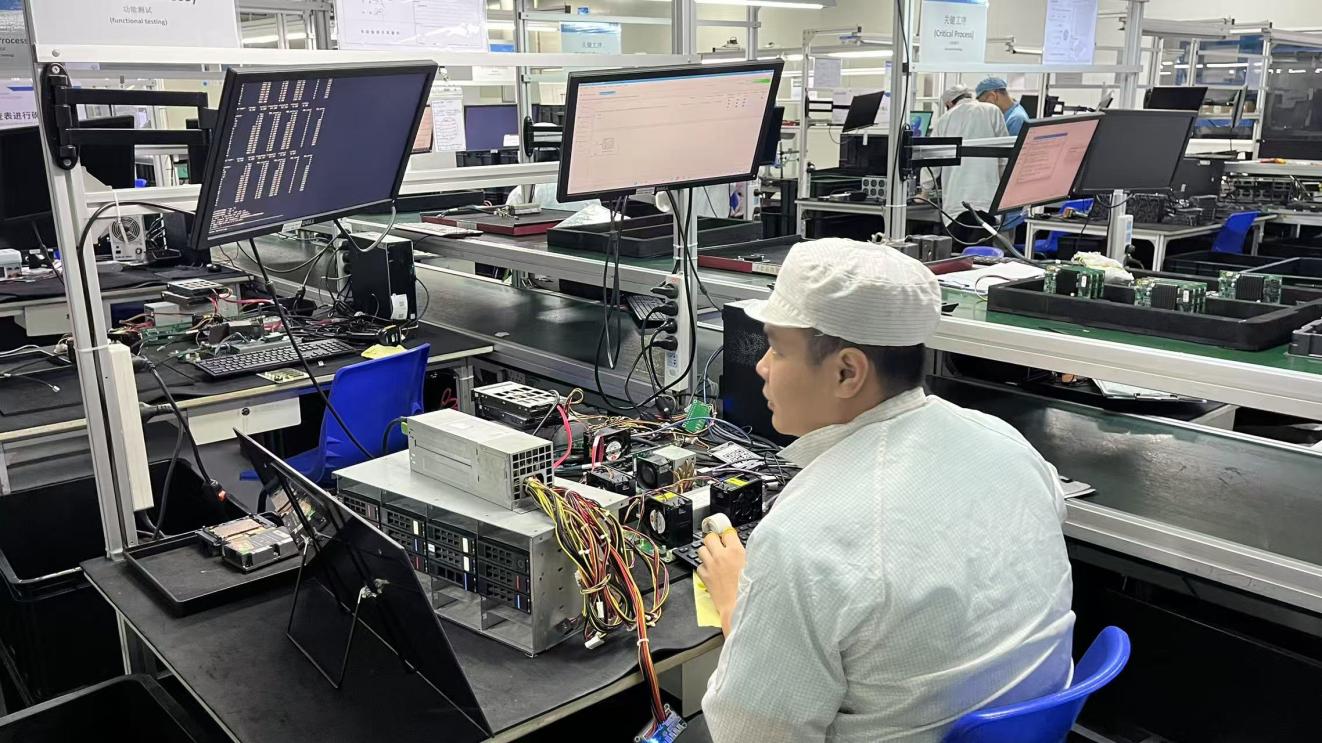
The European Conformity (CE) marking represents a manufacturer's declaration that a system complies with critical health, safety, and environmental protection standards. For Velorix, CE compliance is integrated at the blueprint stage. Our hardware undergoes extensive evaluation inside state-of-the-art testing chambers to prevent electromagnetic interference (EMI) and power frequency fluctuations from degrading active write-cycles.
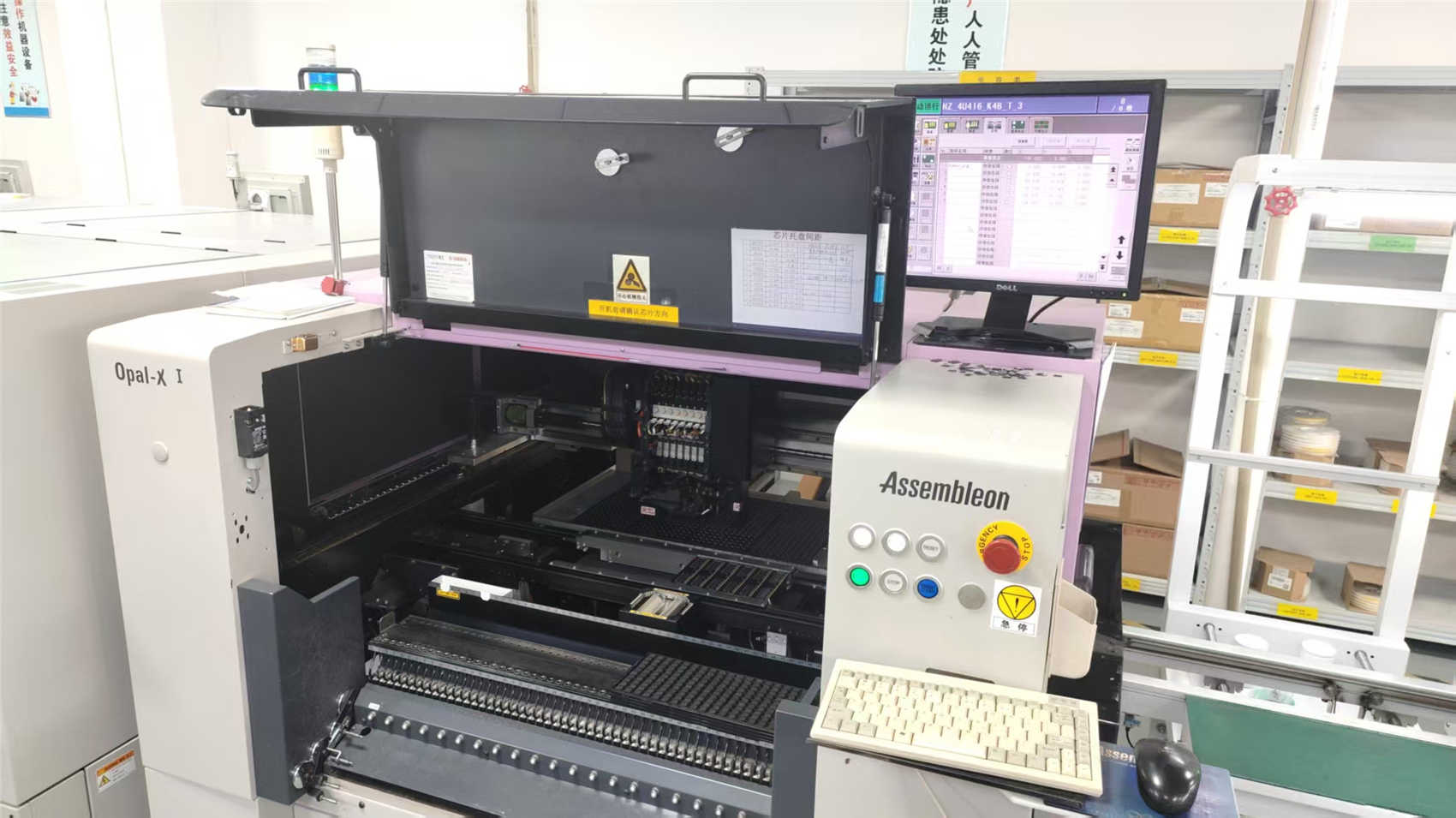
To ensure complete reliability, Velorix runs a 42-member Quality Control Department. Every server unit, RAM module, and Solid State Drive undergoes a multi-stage validation sequence:
Verification of NAND flash degradation thresholds, DRAM trace consistency, and controller microcode integrity prior to assembly.
Continuous high-stress operation up to 72 hours under 45°C environmental conditions to identify latent wafer vulnerabilities.
Simulating abrupt power terminations to confirm that our Power Loss Protection (PLP) circuits successfully write all cache data to non-volatile arrays.
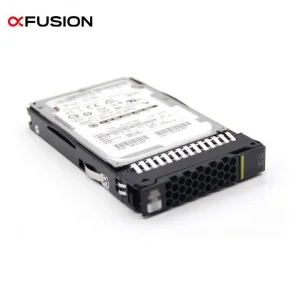
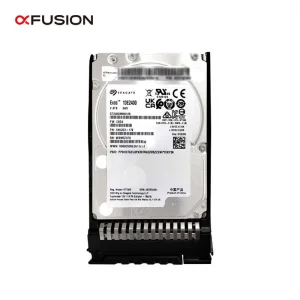
Data loss typically starts at the controller or memory page level. When planning reliable disaster-recovery infrastructures, it is necessary to deploy solid-state drives with high read-dense endurance and low Write Amplification Factors (WAF). Velorix storage nodes incorporate high-grade SSDs like the PM9A3 PCIe NVMe and PM897 SATA models. These storage devices feature un-correctable bit error rates (UBER) lower than 1 sector per 10^17 bits read, paired with dynamic bad-block management.
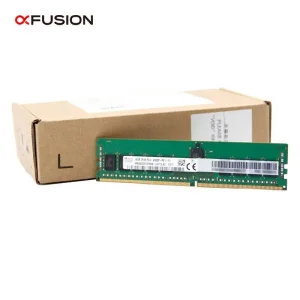
ECC memory is crucial in preventative data recovery. In non-ECC architectures, single-bit errors in CPU-to-storage paths can corrupt system file headers, triggering volume crashes. Utilizing Velorix Fusionserver DDR4 RDIMM ECC modules (operating at 1.2V with a 3200MHz bus frequency), systems detect and correct single-bit memory faults dynamically. This prevents operating system crashes, file allocation table corruptions, and database index drops before the OS commits changes to physical storage.
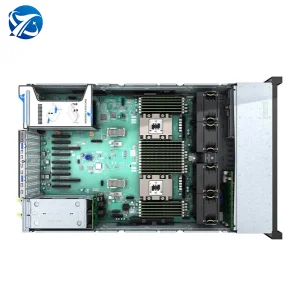
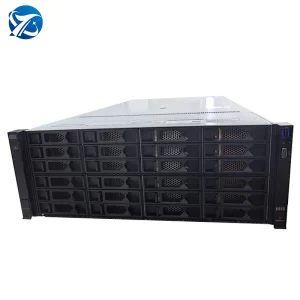
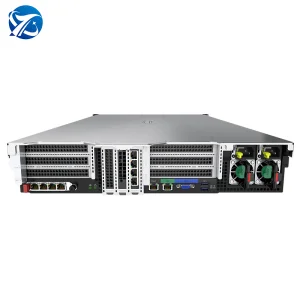
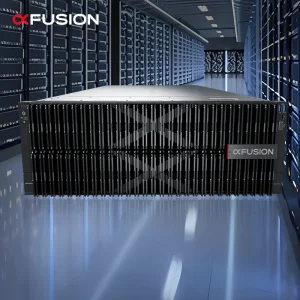
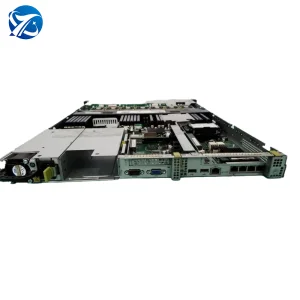
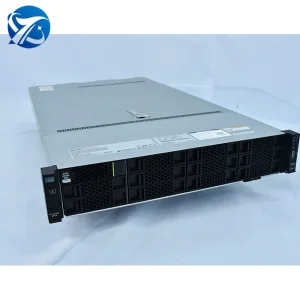
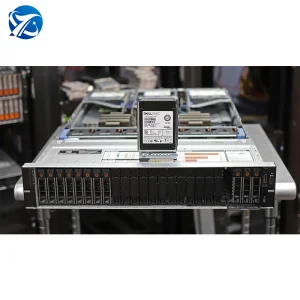
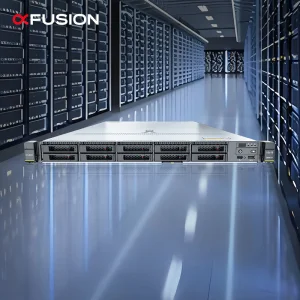
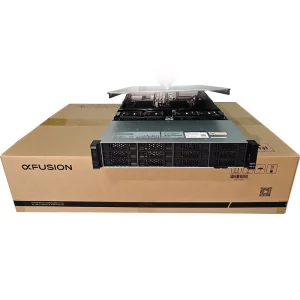
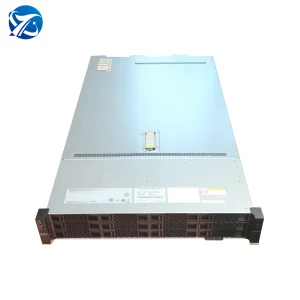
For enterprise storage servers like the FusionServer 5885H V7 and PowerEdge R760XS, we use dedicated SAS/SATA/NVMe RAID controllers equipped with flash-backed write cache (FBWC). In the event of a total controller failure, the configuration metadata is mirrored on the drives themselves. This allows technicians to hot-swap the RAID card and reconstruct the virtual volumes without data loss.
Enterprise data management must conform to regional compliance standards. In the European Union, the General Data Protection Regulation (GDPR) mandates high levels of data availability and redundancy. Under Article 32 of GDPR, organizations must maintain the capability to restore access to personal data in a timely manner after a physical or technical incident. Utilizing CE-certified hardware platforms guarantees compliance at the mechanical layer.
Deploying PM9A3 NVMe arrays inside FusionServer nodes to ensure zero-loss storage for healthcare providers operating under strict HIPAA or GDPR regulations.
Utilizing high-frequency RDIMM ECC configurations combined with dual Intel Xeon processors to process high-frequency transactions without parity errors.
Connecting multiple GPU nodes via high-speed network interfaces to distribute storage loads, preventing individual node dropouts from corrupting training checkpoints.
The future of data protection is moving toward self-repairing hardware architectures. The development team at Velorix is designing storage controllers that leverage machine learning algorithms to monitor wear patterns. By analyzing telemetry data—such as read-write amplification ratios, temperature changes, and block latency—the system predicts drive failures up to two weeks in advance.
Furthermore, the rollout of PCIe Gen5 and Gen6 interfaces increases the need for high-speed signal routing and advanced thermal dissipation. Increased throughput generates higher heat loads, which can accelerate NAND degradation. Velorix designs advanced heatsinks and chassis configurations to keep storage drives within optimal temperature ranges, reducing thermal throttling and protecting write operations.
Q1: How does Power Loss Protection (PLP) work on PM9A3 and PM897 enterprise SSDs?
PLP integrates an onboard tantalum capacitor array. When the system detects a voltage drop below operating tolerances, the capacitors supply power to the controller and NAND flash for a brief window. This allows the controller to write volatile cached data to the physical storage blocks, avoiding corrupted partition tables and unreadable files.
Q2: Why is ECC (Error-Correcting Code) RAM critical for database safety?
Standard memory cannot detect single-bit errors caused by cosmic radiation or magnetic fluctuation. ECC memory incorporates extra parity bits (using algorithms like Hamming code) to detect and correct single-bit errors in real-time. This prevents the operating system from committing corrupted memory states to disk, protecting database tables from indexing faults.
Q3: What makes CE-certified servers more resilient in high-density rack deployments?
CE certification ensures the server operates within strict electromagnetic emission limits (preventing noise interference with adjacent servers) and maintains electrical isolation. This reduces the risk of ground loops, electrostatic discharge (ESD) shocks, and voltage surges damaging the backplane trace lines where storage controller signals travel.
Q4: Can Velorix design customized thermal profiles for high-performance servers?
Yes. Our ODM services include simulated thermal modeling for customized chassis configurations. By adjusting air baffle angles, fan speed profiles, and heatsink placement, we ensure that both compute elements and storage arrays remain within optimal operating temperatures, minimizing thermal stress failures.