Velorix
Velorix
Velorix
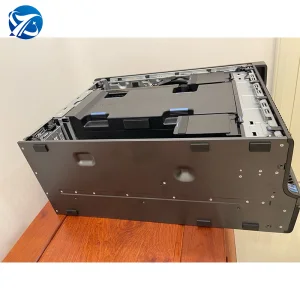
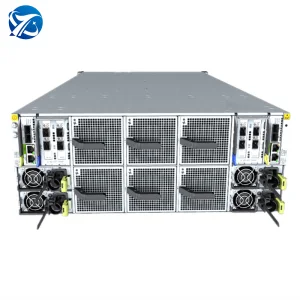
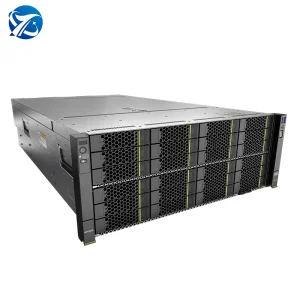
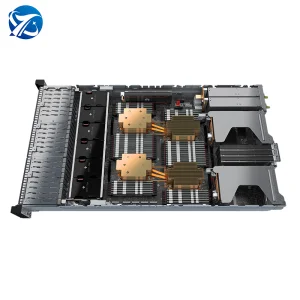
Explore our top-tier high-density rack units, enterprise storage nodes, and server-grade acceleration hardware certified for AI training, virtualized data centers, and dense cloud infrastructure.
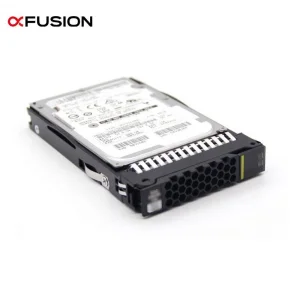
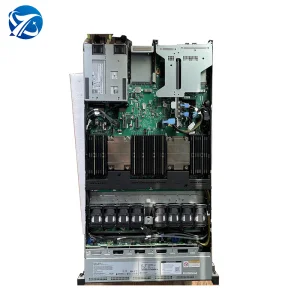
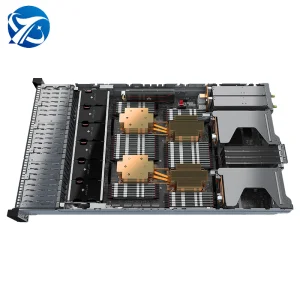
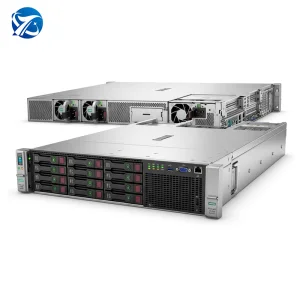
In the era of hyper-scale Artificial Intelligence (AI), Large Language Model (LLM) fine-tuning, high-frequency financial trading, and massively parallelized cloud computing, the traditional enterprise data center layout is facing an existential spatial and thermal wall. Standard 1U and 2U rack server deployments designed a decade ago cannot satisfy the volumetric compute density requirements demanded by modern workload topologies. High-density servers—defined as computing architectures optimizing CPU core counts, accelerator card integration (GPU/NPU/FPGA), memory bandwidth, and thermal dissipation within ultra-compact enclosure profiles—have emerged as the foundational building block of modern digital infrastructure.
This comprehensive industry whitepaper provides enterprise CTOs, infrastructure procurement leaders, and data center system integrators with an authoritative analysis of the high-density server manufacturing landscape. We evaluate the core technical pillars that define market leaders: thermal efficiency, signal integrity over PCIe 5.0/6.0, power conversion topology, OEM/ODM customization capability, and supply chain resilience.
Traditional procurement teams evaluate hardware costs strictly on cost-per-node. Advanced system architects now prioritize Compute per Cubic Meter (CCM) and Performance-per-Watt (PPW). Moving from standard density to high-density multi-node or GPU-optimized nodes reduces total rack footprint by up to 60%, decreases overall cabling overhead by 45%, and significantly cuts power losses at the rack-level PDU.
Navigating the global server vendor ecosystem requires evaluating technical capability beyond baseline assembly. When sourcing high-density servers from specialized factories and tier-1 exporters, tier-1 hyper-scalers utilize strict engineering auditing criteria across ten core pillars:
Capability to design vapor chamber cold plates, liquid-to-air heat exchangers (L2A), and direct-to-chip (D2C) liquid cooling loops for 350W+ TDP processors and 700W+ GPUs.
High-speed multi-layer PCB design (up to 20-26 layers) utilizing ultra-low loss materials (e.g., Megtron 7/8) to guarantee PCIe 5.0/6.0 and CXL 2.0 signal clean margins.
Integration of Titanium-level (96%+ efficiency) redundant power supply units (PSUs) with CRPS standards and dynamic phase-interleaved VRM design.
Implementation of Hardware Root of Trust (RoT), PFR (Platform Firmware Resiliency), and customizable OpenBMC management controllers for enterprise isolation.
Support for twin and quad-node 2U architectures sharing centralized cooling fans and power buses to maximize compute density per U space.
Full certification framework compliance including CE, FCC Class A, UL, RoHS, WEEE, and TAA compliance for frictionless cross-border distribution.
| Architecture Class | Form Factor | Target Workload | Max Processor TDP | Cooling Topology | Relative Density Score |
|---|---|---|---|---|---|
| Ultra-Dense Multi-Node | 2U 4-Node (2U4N) | HPC, Virtualization, Web Scale | Up to 350W per Node | Redundant Air / Hybrid Liquid | 9.8 / 10 |
| GPU Accelerated Node | 4U 8-Way SXM / PCIe | LLM Training, Deep Learning | 700W per Accelerator | Direct Liquid Cooling (DLC) | 9.5 / 10 |
| Compact 1U High-Compute | 1U 2-Socket Server | Edge Computing, HFT, Telecom | Up to 350W per CPU | High-Static Air Cooling | 8.7 / 10 |
| Storage-Dense 2U Node | 2U 24-Bay NVMe / U.2 | Distributed Storage, Database | Up to 300W per CPU | Balanced Front-to-Back Air | 8.9 / 10 |
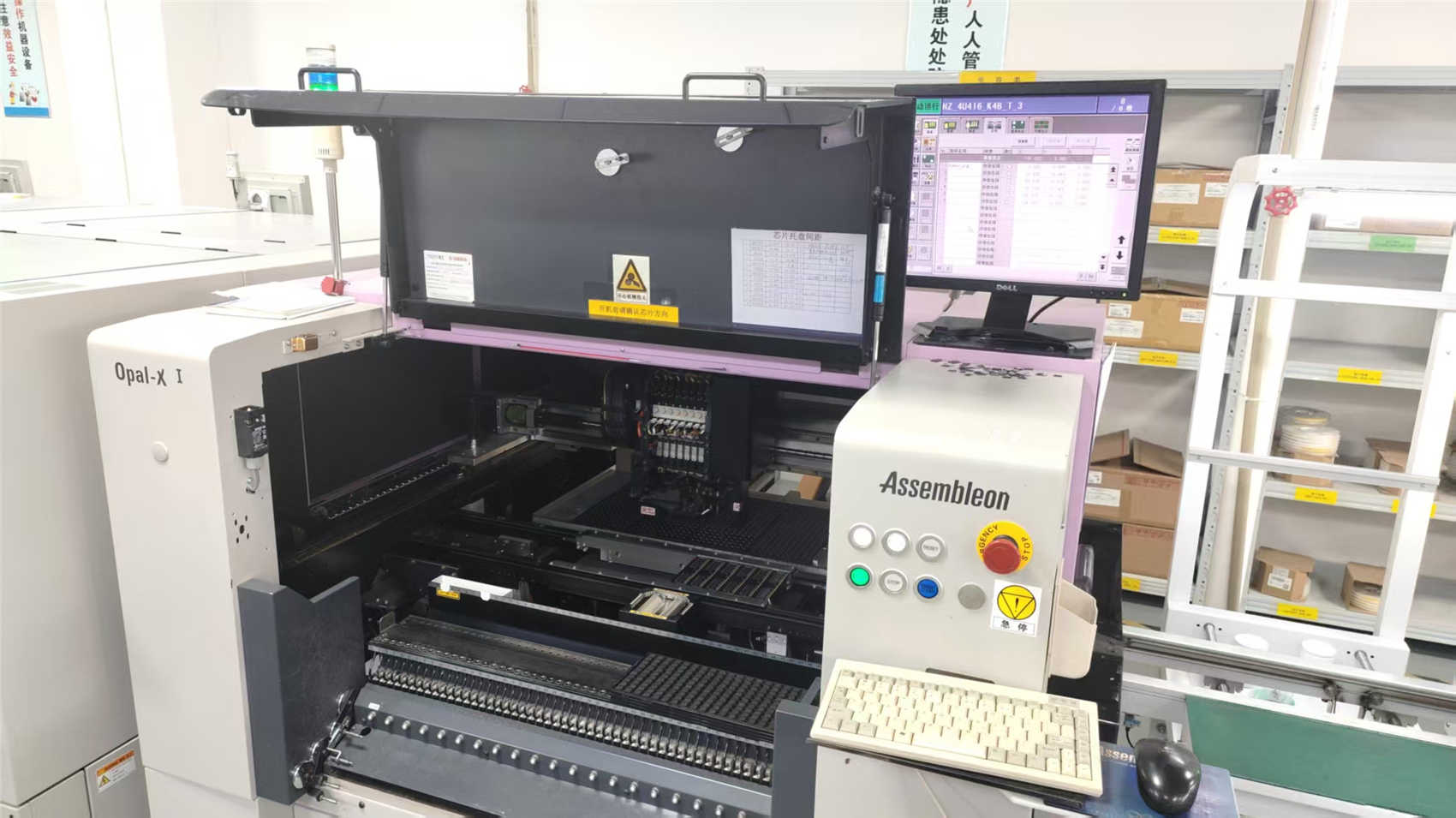
The global electronics manufacturing hardware ecosystem has undergone a profound shift. China’s Industry 4.0 smart factory clusters in Shenzhen, Dongguan, and the Greater Bay Area provide unprecedented agility, rapid prototyping, and end-to-end supply chain integration. By collocating component fabrication, SMT (Surface Mount Technology) lines, sheet metal enclosure stamping, and high-speed backplane testing within direct geographic proximity, high-density server manufacturers drastically compress time-to-market cycles.
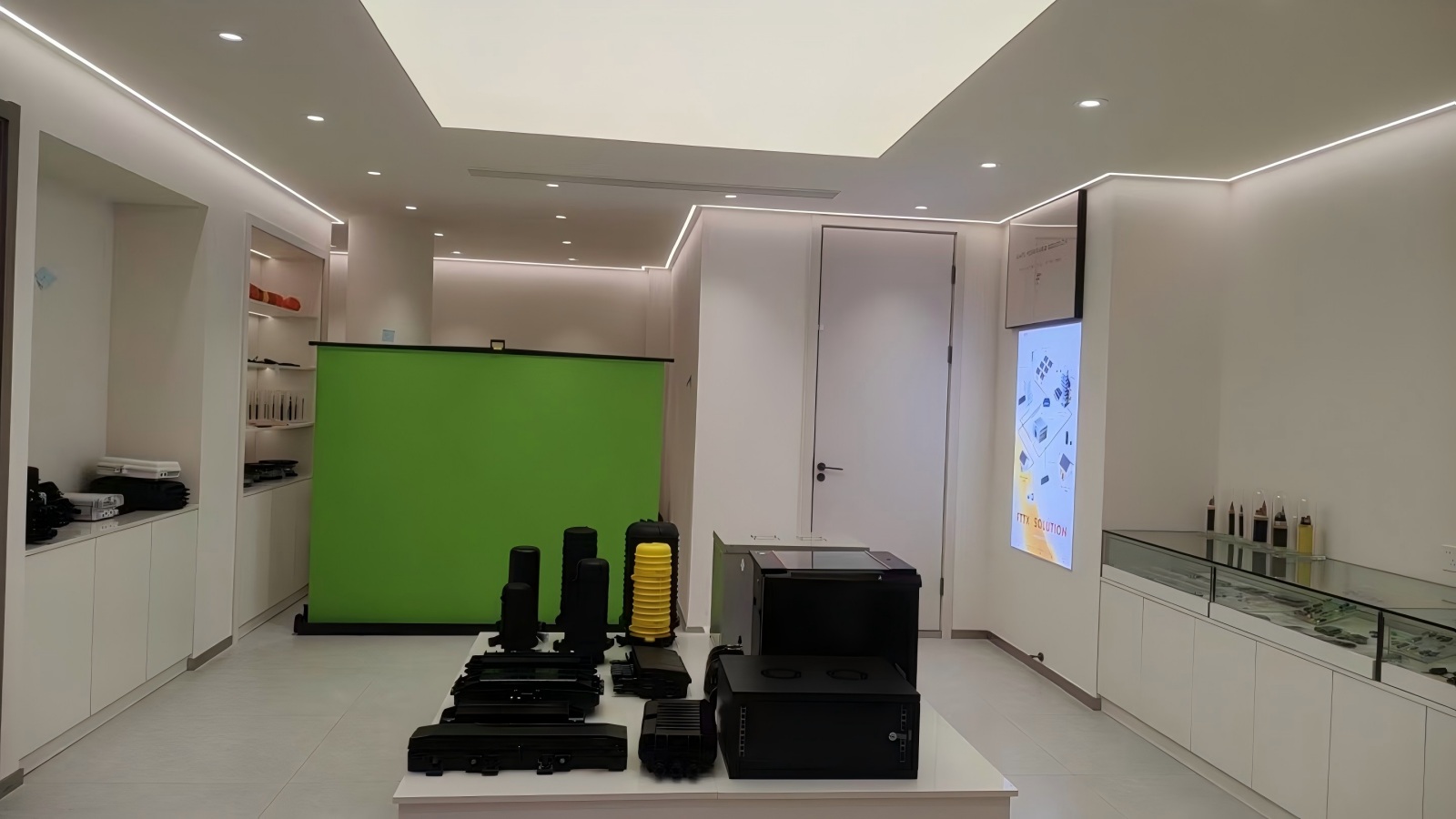
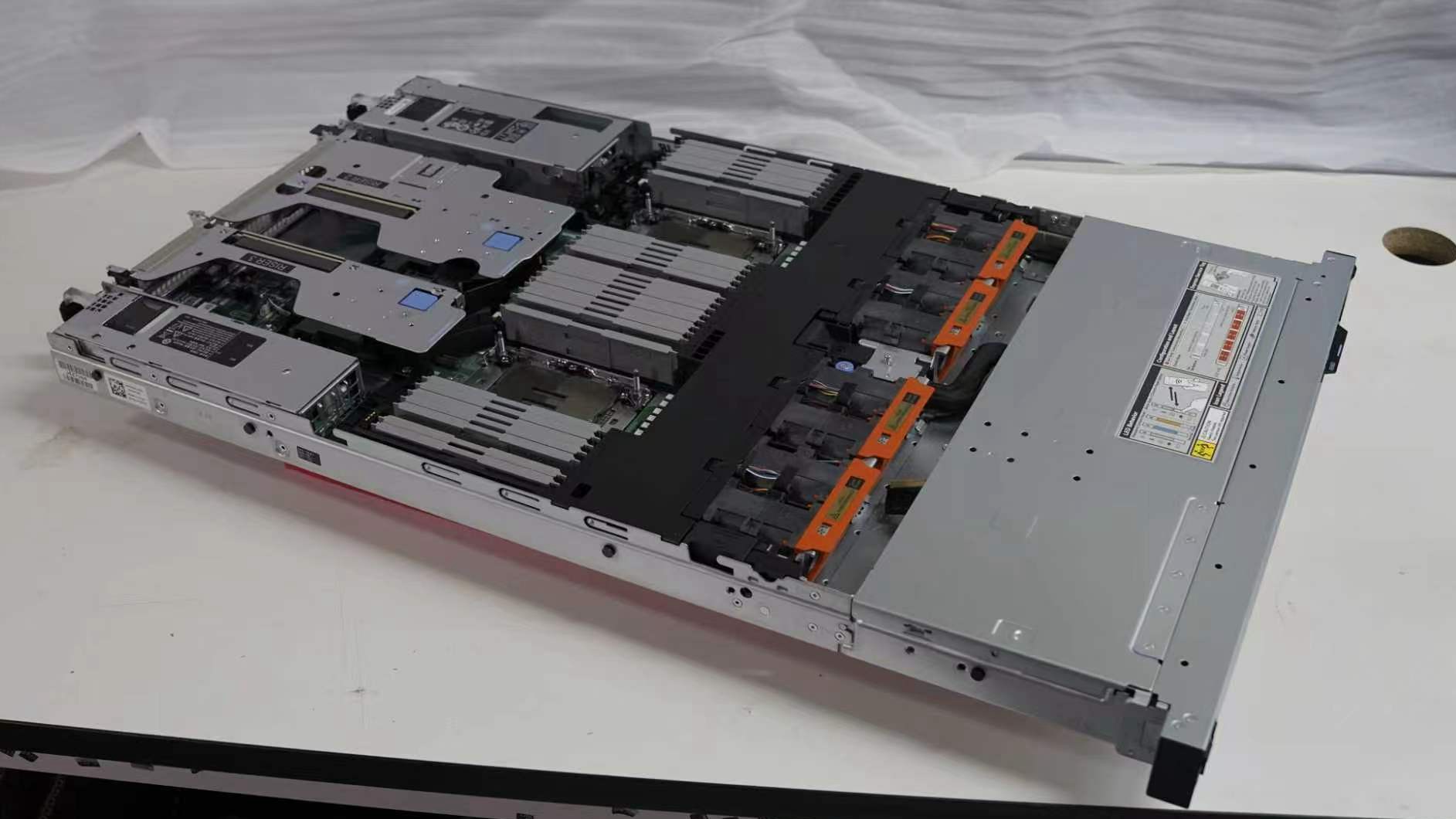
Founded in 2016, Velorix Intelligent Technology Co., Ltd. is a professional manufacturer specializing in AI GPU servers, high-performance computing (HPC) systems, GPU compute clusters, and customized enterprise AI infrastructure solutions. Operating from a modern production facility covering 380㎡, Velorix provides robust, scalable computing platforms designed specifically for rigorous AI training, real-time AI inference, deep learning, cloud computing, and high-density data center deployments.
Leveraging 10 years of deep industry experience and 6 years of international export expertise, Velorix has delivered advanced GPU server solutions to enterprise clients worldwide. Our annual export revenue exceeds USD 12 million, reflecting our strong engineering manufacturing capabilities, stringent quality assurance, and expanding global market presence.
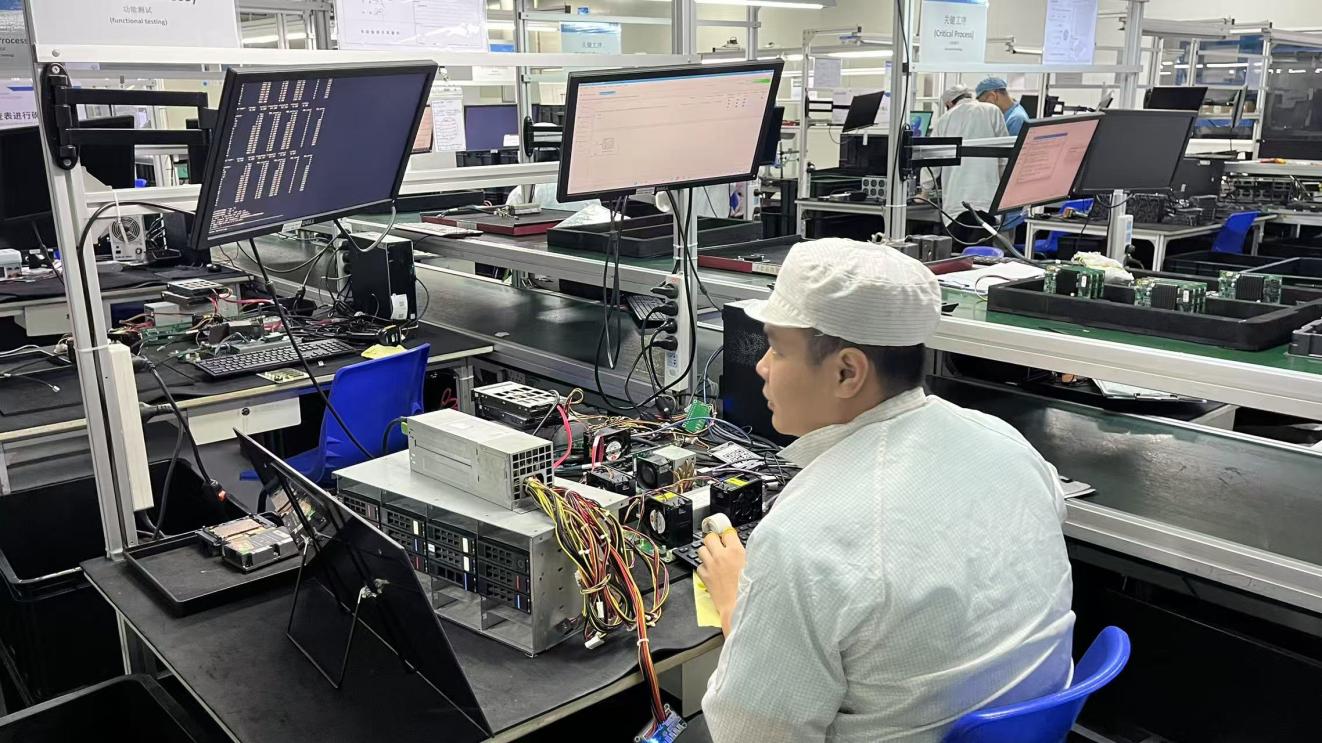
Quality forms the core of every system exiting our facility. Velorix operates a comprehensive quality management system supported by 42 dedicated quality control personnel. Every node undergoes a 6-stage inspection framework: component silicon verification, 72-hour full-load burn-in stress testing, liquid/air thermal performance validation, power bus stability testing, high-speed network signal validation, and final full system performance benchmarking.
To empower system integrators and global enterprises, Velorix provides comprehensive OEM and ODM services. Customization parameters include GPU topology selection, dual/single CPU socket platforms, customized DDR5/HBM memory configurations, high-density NVMe storage backplanes, 100G/200G/400G InfiniBand networking options, custom chassis branding, and pre-loaded enterprise Linux software stacks. Supported by over 850 strategic supply chain partners and 135 R&D engineers, Velorix transforms client concept designs into market-ready server deployments with unparalleled speed.
High-density server hardware is not a one-size-fits-all product; it is configured to address targeted, compute-intensive workloads across distinct vertical sectors. Below are four key enterprise deployment scenarios:
Dense 4U/8U GPU server nodes featuring SXM5 interconnects, 800G InfiniBand networking interfaces, and direct liquid cooling cold plates. Designed for training multi-billion parameter models with zero micro-throttling under sustained full loads.
2U 4-Node twin servers maximizing CPU core density per rack unit. Equipped with dual 4th/5th Gen Intel Xeon Scalable or AMD EPYC processors, offering maximum VM density for multi-tenant cloud providers.
1U ultra-low latency compute nodes with liquid-assisted overclocked processors, FPGA acceleration cards, and customized ultra-fast memory timings designed to minimize microsecond trade execution jitter.
As silicon process nodes approach sub-2nm limits, processor TDPs continue to escalate. Future server architecture will undergo four foundational disruptions:
Transitioning from traditional air cooling to Direct-to-Chip (D2C) liquid cooling and full Single-Phase Immersion Cooling, reducing data center Power Usage Effectiveness (PUE) below 1.15.
Compute Express Link (CXL) memory pooling allows dynamic allocation of high-speed DRAM pools across heterogeneous compute nodes, dramatically lowering stranded memory overhead.
Replacing electrical copper traces with co-packaged silicon photonics interfaces directly on-die to enable 1.6Tbps+ interconnect throughput at fraction of the power.
Shifting from legacy 12V/48V backplanes to 800V DC distribution within the rack frame to eliminate step-down transformer losses and support 100kW+ per rack densities.
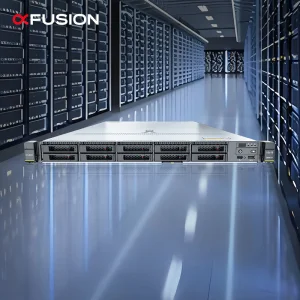
Browse the remainder of our high-density enterprise product portfolio including multi-socket compute nodes, hardware RAID cards, and dedicated GPU AI expansion chassis.
In-depth technical answers for system engineers, IT directors, and global sourcing buyers.