Velorix
Velorix
Velorix
In the current era of hyperscale data centers and AI-driven traffic surges, selecting a premier Load Balancing Solutions Manufacturer is no longer just an IT decision—it is a strategic business mandate. Load balancing technology acts as the "traffic cop" of the digital world, distributing incoming network or application traffic across multiple servers to ensure high availability, reliability, and optimal performance.
As a growth-focused leader in AI infrastructure, Velorix Intelligent Technology Co., Ltd. provides more than just hardware. We deliver "Information Gain" by integrating semantic intelligence into our load-balancing architectures, allowing systems to predict traffic peaks before they happen. Whether it’s Layer 4 (Transport Layer) or Layer 7 (Application Layer) switching, our solutions are engineered to minimize latency and maximize throughput for global enterprises.
China's manufacturing ecosystem for network hardware and AI servers has evolved from "mass production" to "high-precision innovation." Partnering with a leading Chinese factory like Velorix offers several competitive advantages:
Our proximity to the global semiconductor and component hub in Shenzhen allows for rapid prototyping and reduced lead times for complex load-balancing server builds.
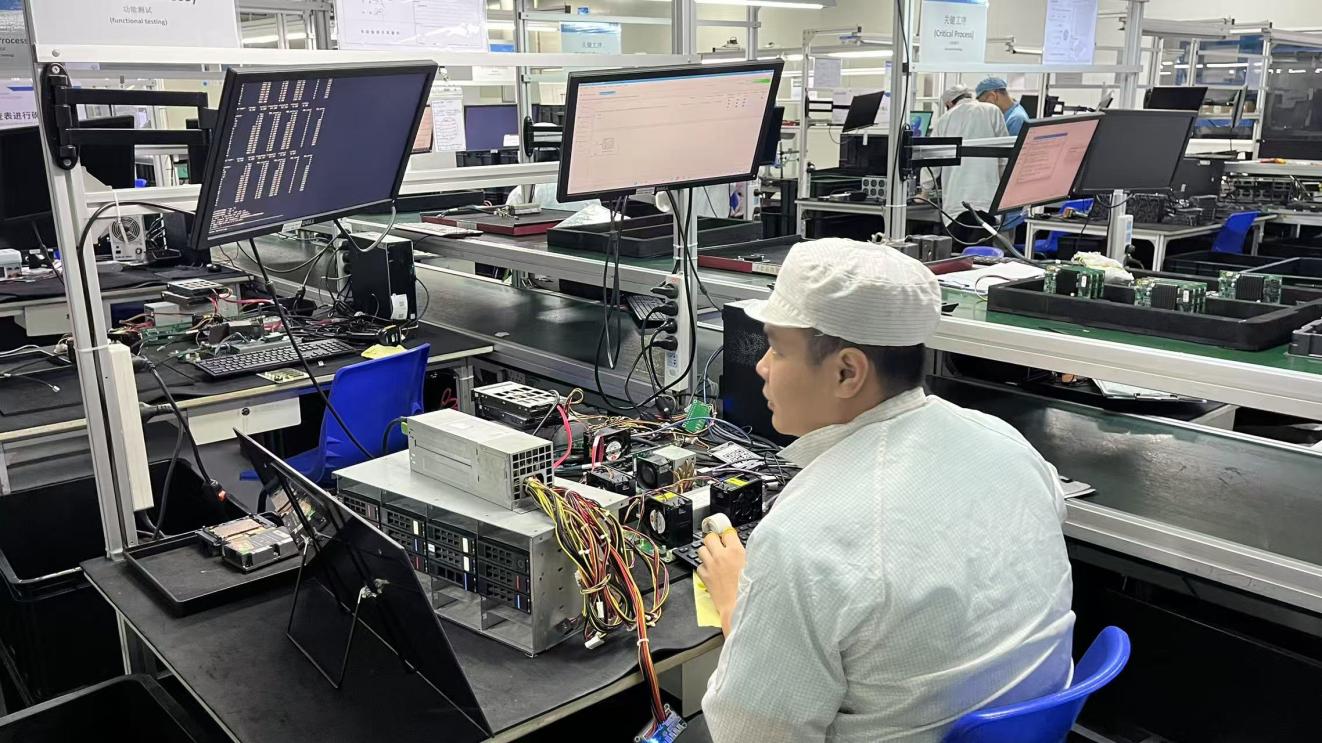
With 42 QC personnel and multi-stage testing (thermal, power, network validation), we exceed international standards for data center reliability.
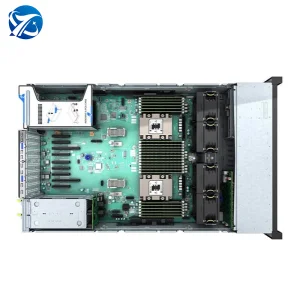
Customization is in our DNA. We help global clients design bespoke load balancer chassis, optimized cooling systems, and specialized firmware integration.
Economies of scale enable us to offer high-performance GPU clusters and load-balancing nodes at a TCO (Total Cost of Ownership) that is significantly lower than Western counterparts.
The industry is shifting from static, rule-based load balancing to dynamic, AI-informed traffic management. Here are the top trends we are observing from our manufacturing floor:
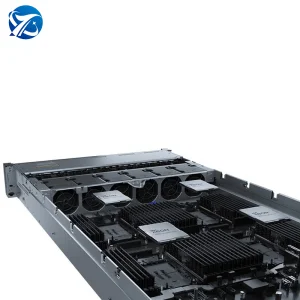
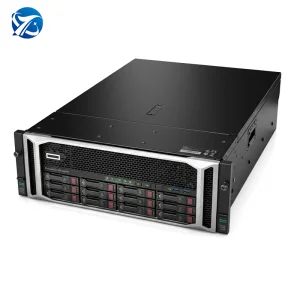
Modern load balancers now leverage machine learning algorithms to analyze historical traffic patterns and predict future spikes. Our AI GPU servers (like the R750 and G5500 V7) provide the computational power necessary to run these complex traffic-shaping models in real-time.
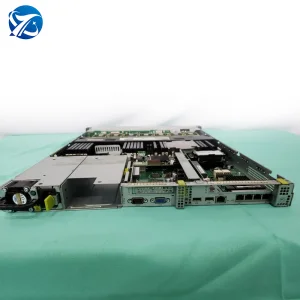
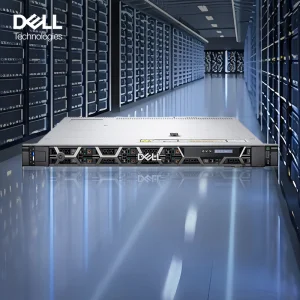
As IoT and 5G expand, load balancing is moving closer to the user. Compact, high-performance 1U rack servers are being deployed at the edge to reduce latency and provide localized application delivery.
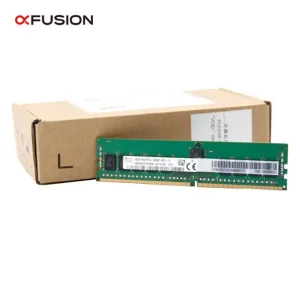
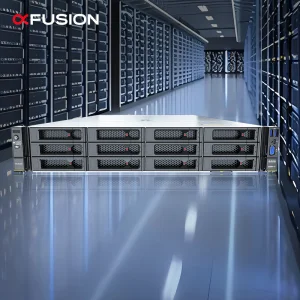
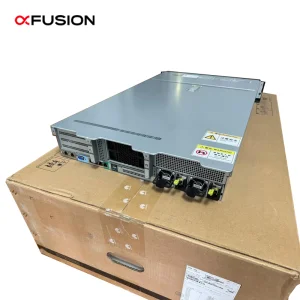
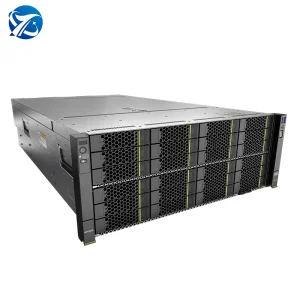
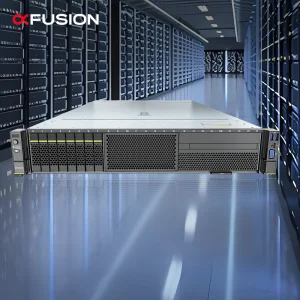
Enterprises no longer rely solely on physical hardware. Our latest xFusion and Dell server configurations are designed to bridge the gap between on-premise hardware and virtualized cloud load balancers (NLB/ALB).
When global enterprises procure load-balancing infrastructure, they focus on three core pillars: Reliability, Security, and Scalability. At Velorix, we address these through our specialized AI data server lineup.
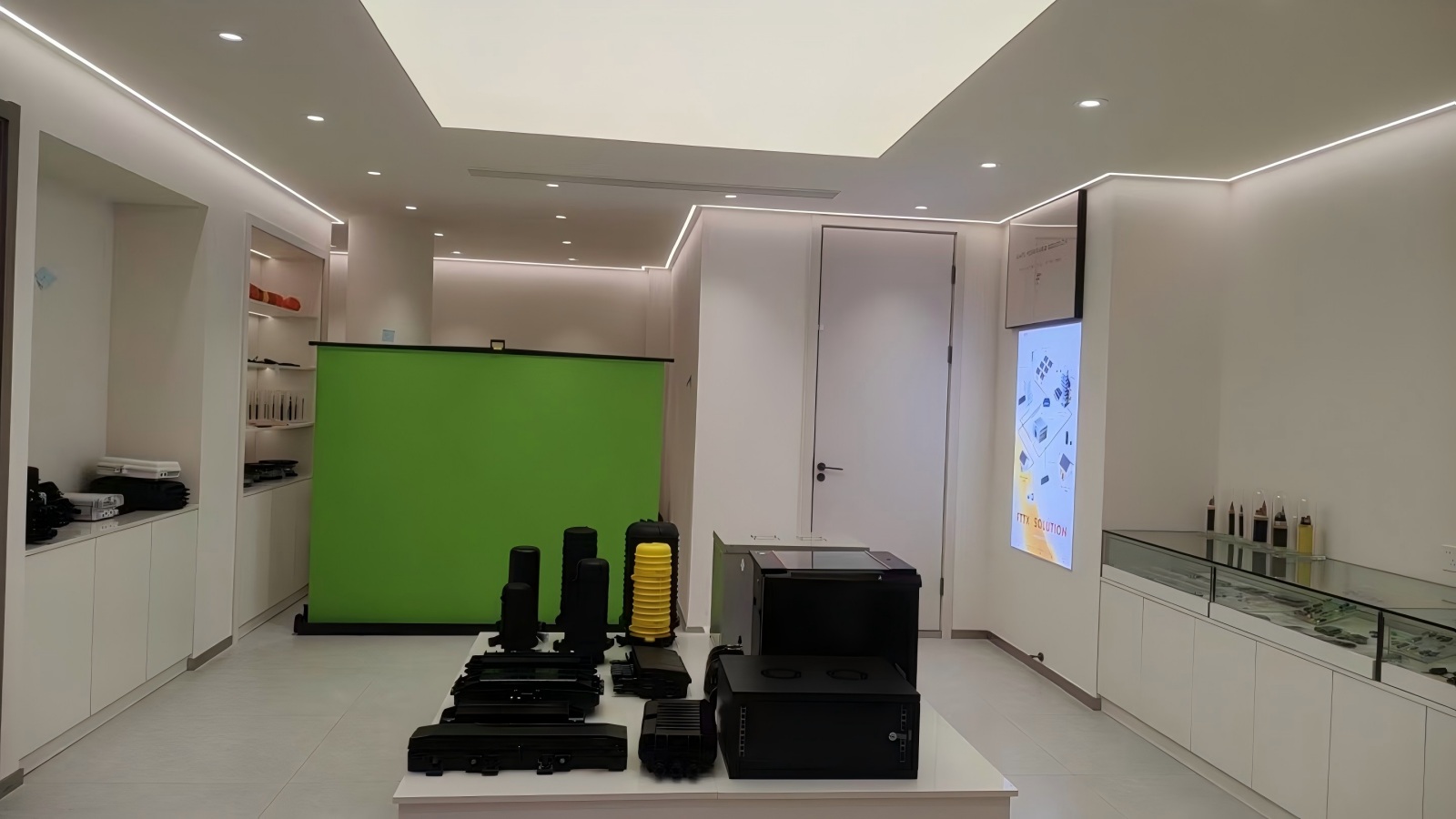
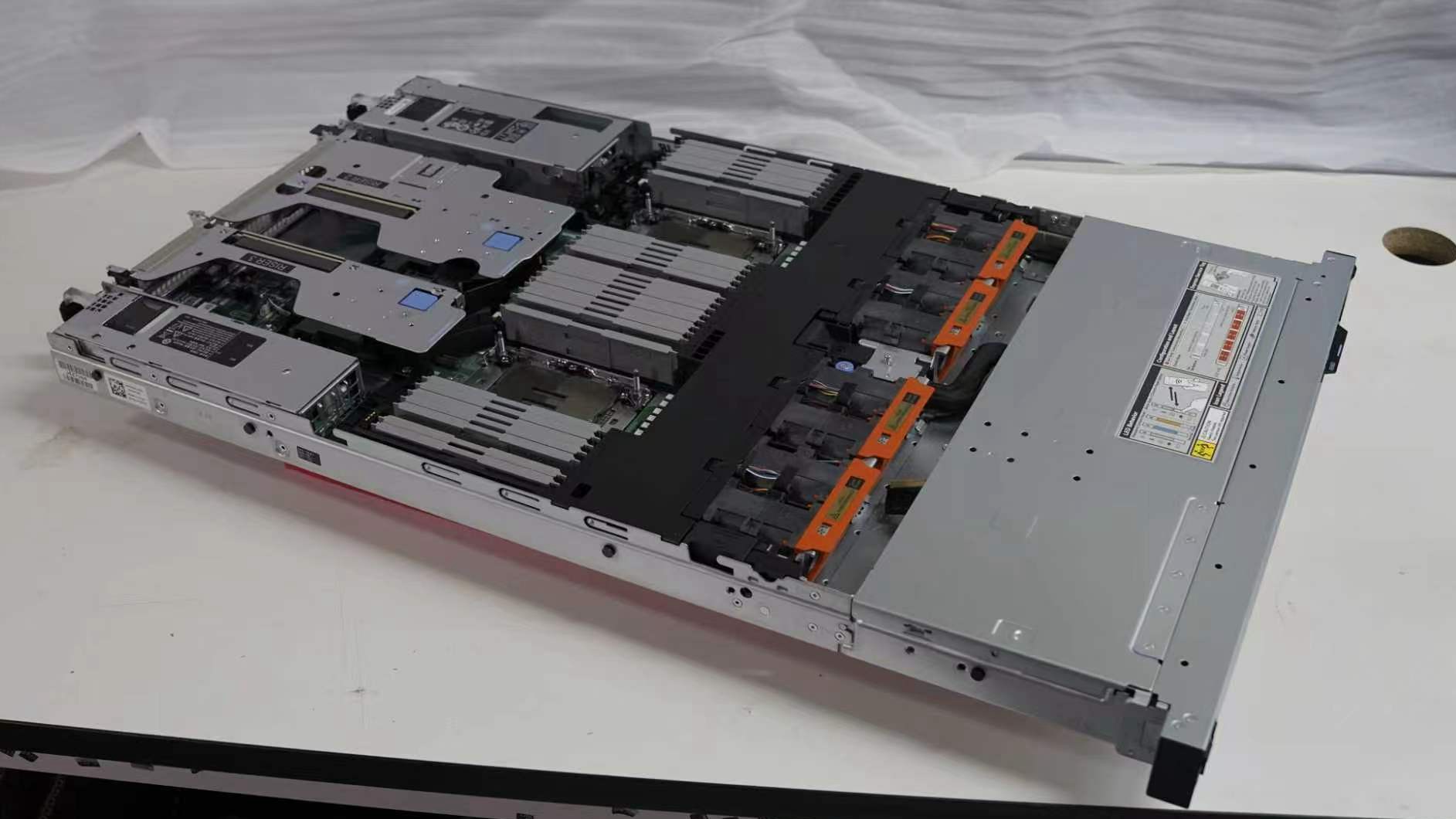
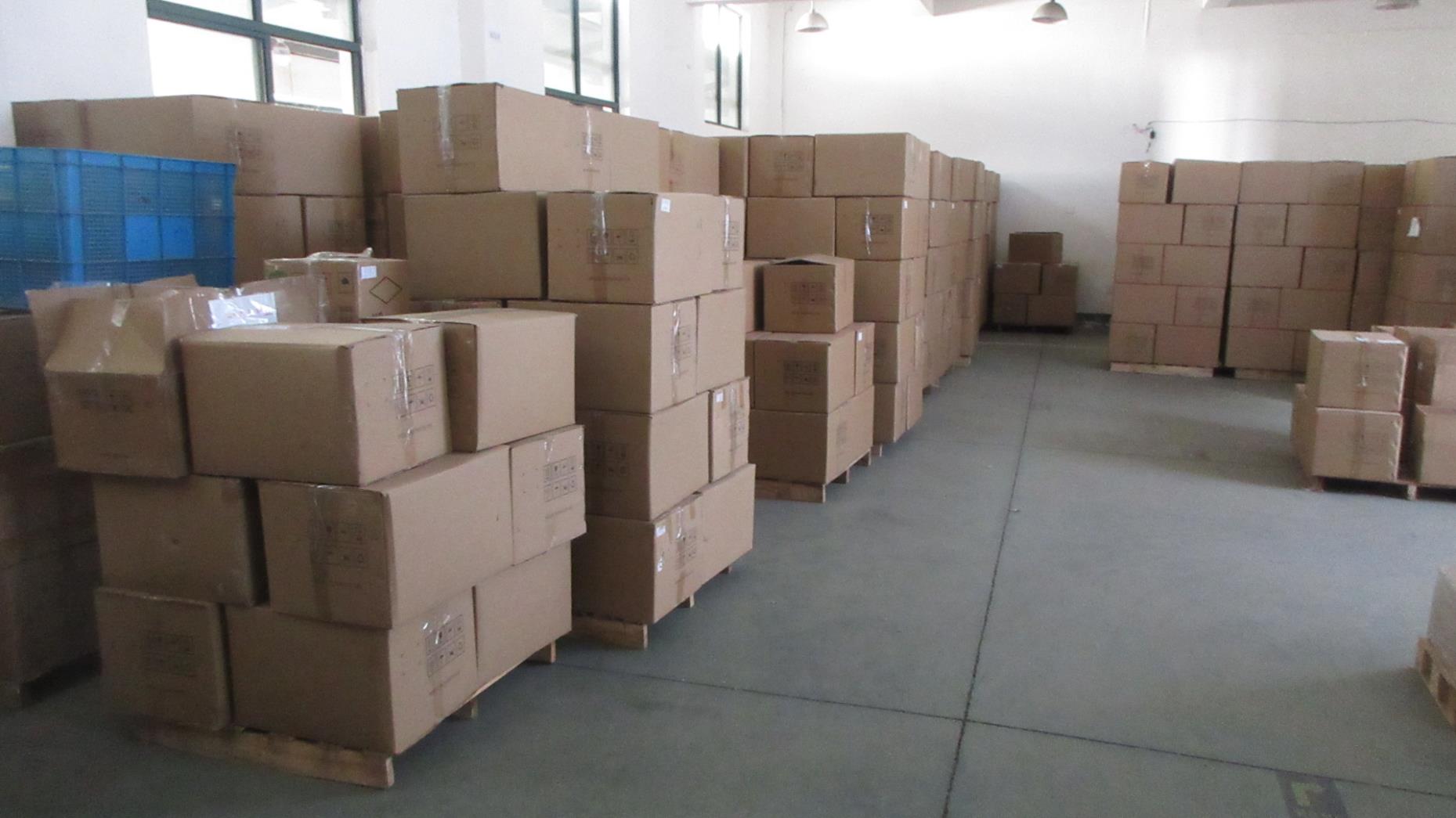
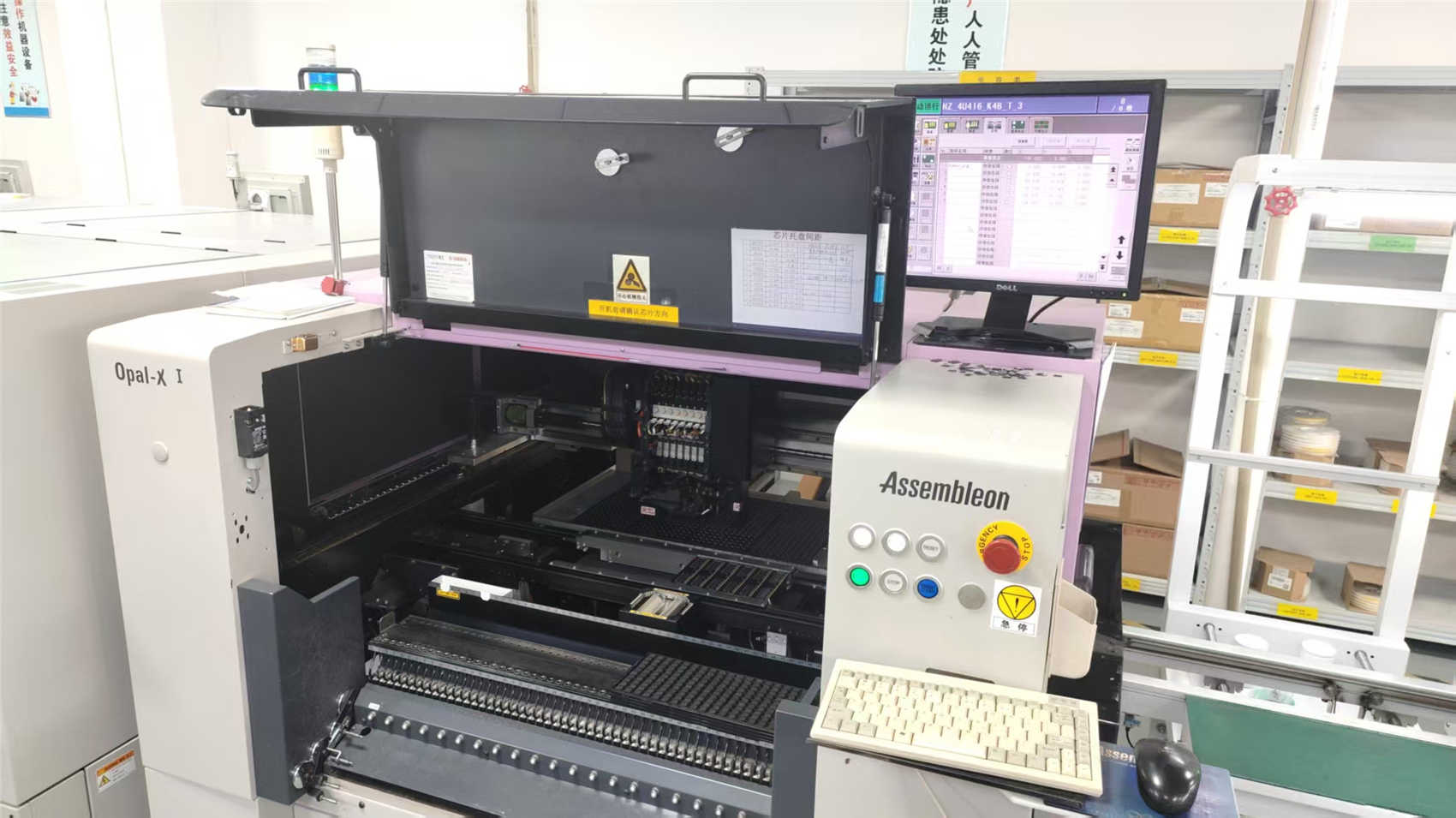
Founded in 2016, Velorix Intelligent Technology Co., Ltd. is a professional manufacturer specializing in AI GPU servers, high-performance computing systems, GPU clusters, and customized AI infrastructure solutions. With a modern production facility covering 380㎡, we provide reliable and scalable computing platforms for AI training, AI inference, deep learning, cloud computing, and data center applications.
Leveraging 10 years of industry experience and 6 years of export experience, Velorix has successfully delivered advanced GPU server solutions to customers worldwide. Our annual export revenue exceeds USD 12 million, reflecting our strong manufacturing capabilities and growing global presence.
Quality is at the core of everything we do. We operate a comprehensive quality management system supported by 42 dedicated quality control personnel. Every product undergoes strict inspections, including component verification, burn-in testing, thermal performance testing, power stability testing, network validation, and final system performance benchmarking to ensure maximum reliability and performance.
As a manufacturer with integrated production and international trading capabilities, Velorix serves customers across North America, Europe, the Middle East, Southeast Asia, and Oceania. Our products are widely used by AI startups, research institutions, cloud service providers, system integrators, enterprise data centers, and HPC solution providers.
To maintain innovation and technological leadership, we have established strategic partnerships with more than 850 supply chain partners and technology suppliers. Our research and development team consists of 135 experienced engineers focused on server architecture optimization, AI computing solutions, thermal management technologies, and customized hardware integration.
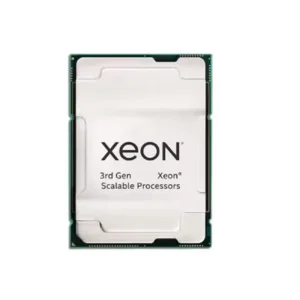
Velorix offers comprehensive OEM and ODM services, enabling customers to customize GPU configurations, CPU platforms, memory capacity, storage architecture, networking solutions, rack integration, branding, and software deployment according to project requirements. Our strong R&D capability allows us to rapidly transform customer concepts into market-ready solutions.
During "Black Friday" or "Single's Day," load balancers handle millions of concurrent sessions, ensuring that web storefronts remain responsive while database writes are distributed across high-performance clusters.
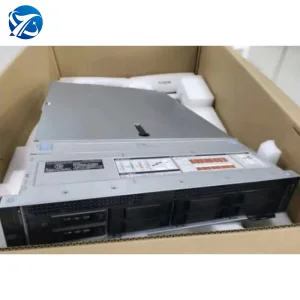
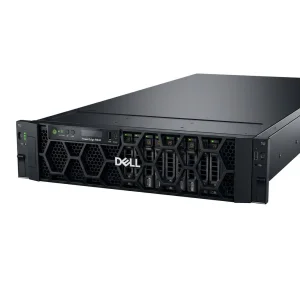
For HFT (High-Frequency Trading), every microsecond counts. Layer 4 load balancing on our Dell PowerEdge R660 servers provides the low-latency switching required for global finance.
When deploying large language models (LLMs), traffic must be balanced between GPU nodes to prevent any single GPU from becoming a bottleneck, optimizing the "Deepseek" and "AI" performance metrics.