Velorix
Velorix
Velorix
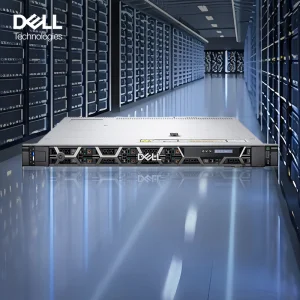
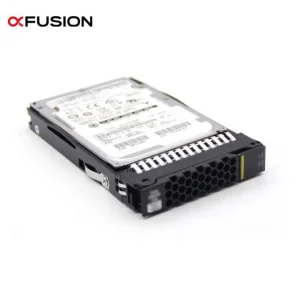
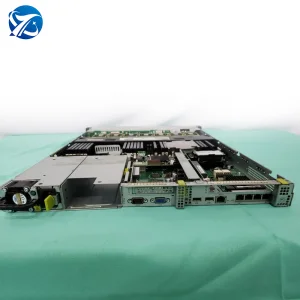
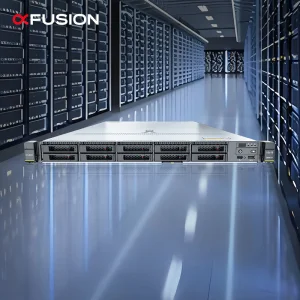
The global data center landscape is undergoing a massive architectural transformation. Driven by large language models (LLMs) such as DeepSeek, ChatGPT, and complex AI workloads, traditional server configurations are being replaced by high-density, GPU-accelerated computing nodes. Data centers no longer simply host database engines; they are now processing trillions of training parameters in parallel. This evolution demands highly specialized equipment design, optimized power topologies, and advanced thermal management strategies.
As server hardware consumes ever-larger portions of enterprise budgets, data center managers are focusing heavily on performance-per-watt efficiency. High-performance accelerators operating in massive multi-GPU configurations require high-density chassis with precise structural layout optimization. Traditional cooling methods are reaching their physical limits, paving the way for hybrid systems, direct-to-chip (D2C) liquid cooling, and fully enclosed water-cooled loops that can handle complex multi-socket processors.
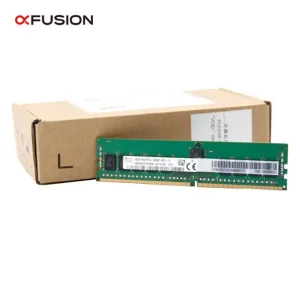
Furthermore, high-speed interfaces like PCIe Gen 5.0 and compute Express Link (CXL) are reshaping memory architectures. High-speed, high-density server nodes require high-bandwidth memory (DDR5 ECC modules running at 6400MHz and beyond) to keep up with the processing capabilities of modern system chips. This ensures that memory access latencies do not become bottlenecks for massive data processing routines.
• AI-centric data centers are scaling from typical 10kW per rack power configurations to over 40kW–100kW per rack, forcing immediate transitions to liquid-assisted cooling loops.
• Demand for DDR5 RDIMM ECC memory modules has surged as modern deep learning architectures demand raw bandwidth exceeding 400 GB/s per socket.
• Standardized compliance parameters, such as CE marking, are non-negotiable requirements for tier-1 hyperscale operators expanding across European and global territories.
Procuring data center hardware is a complex process with strict requirements for quality assurance, global certification, and long-term support. Enterprise IT buyers, system integrators, and hyper-scale operators require absolute confidence in safety compliance. That's why CE certification is essential. The CE mark signifies that servers, storage systems, and network infrastructure comply with European Economic Area (EEA) safety, health, and environmental protection standards, ensuring seamless deployment across international borders.
Beyond compliance, modern procurement teams prioritize architectural resilience. Infrastructure components must offer robust mean-time-between-failure (MTBF) rates, backed by rigorous stress testing. Power supplies must achieve high efficiency, such as 80 Plus Platinum or Titanium certification, to reduce overall power consumption. This directly impacts operational expenditures (OpEx) for multi-megawatt facilities. At the same time, high-speed storage configurations, such as PCIe 4.0/5.0 NVMe drives, must provide sustained read-write operations to prevent system bottlenecks.
Security at the physical and firmware levels is another major factor. Hardware-level security protocols—such as Root of Trust (RoT), secure boot mechanisms, and TPM 2.0 modules—are critical for safeguarding data. From memory modules to high-density GPU nodes, every component must be traced through transparent supply chains. This mitigates hardware vulnerabilities and unauthorized modifications before deployment.
CE Mark: Assures compliance with EU safety directives including LVD (Low Voltage Directive) and EMC (Electromagnetic Compatibility).
Hardware Integrity: Rigorous component screening to verify high-frequency operation stability under maximum computational load.
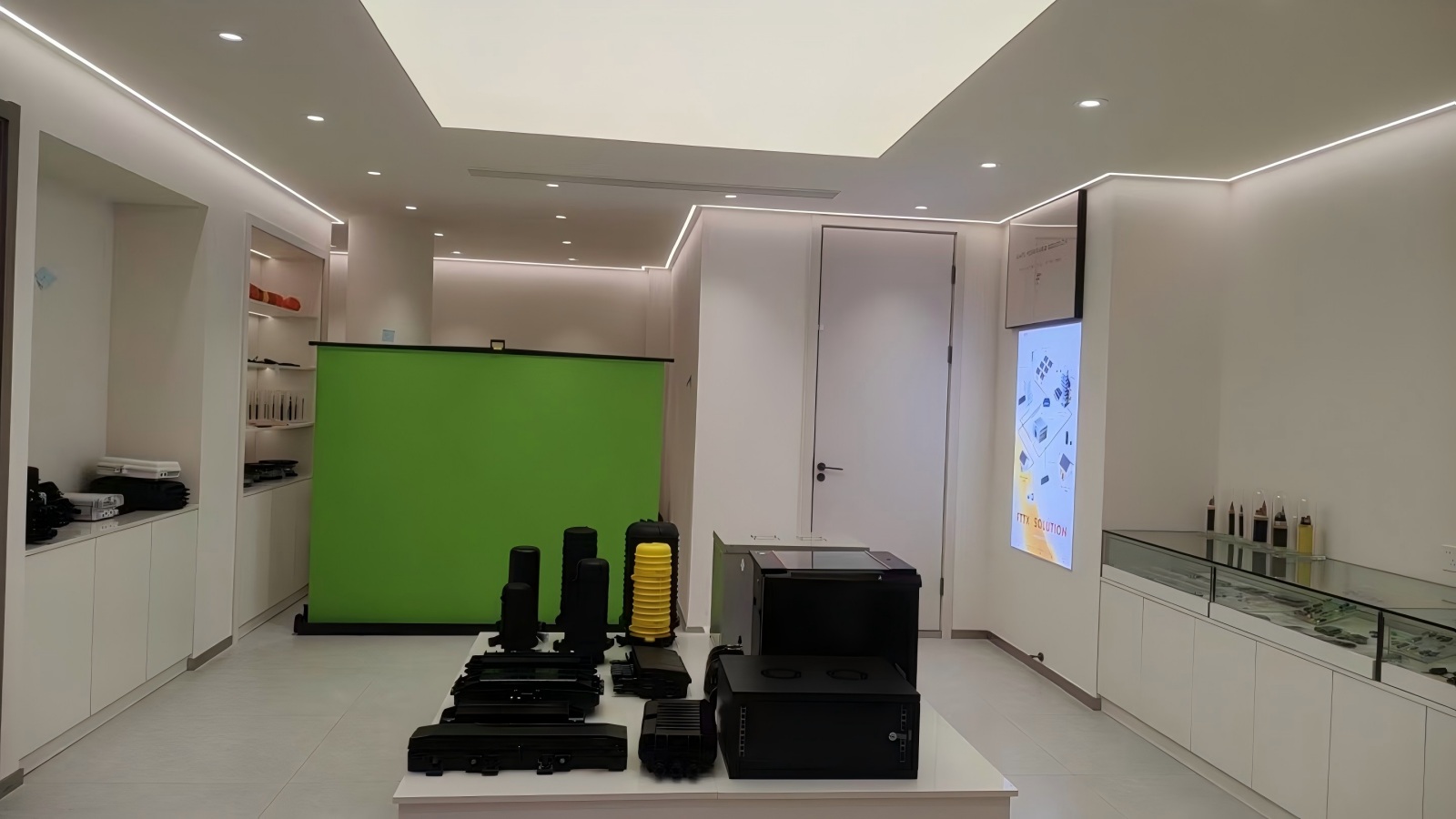
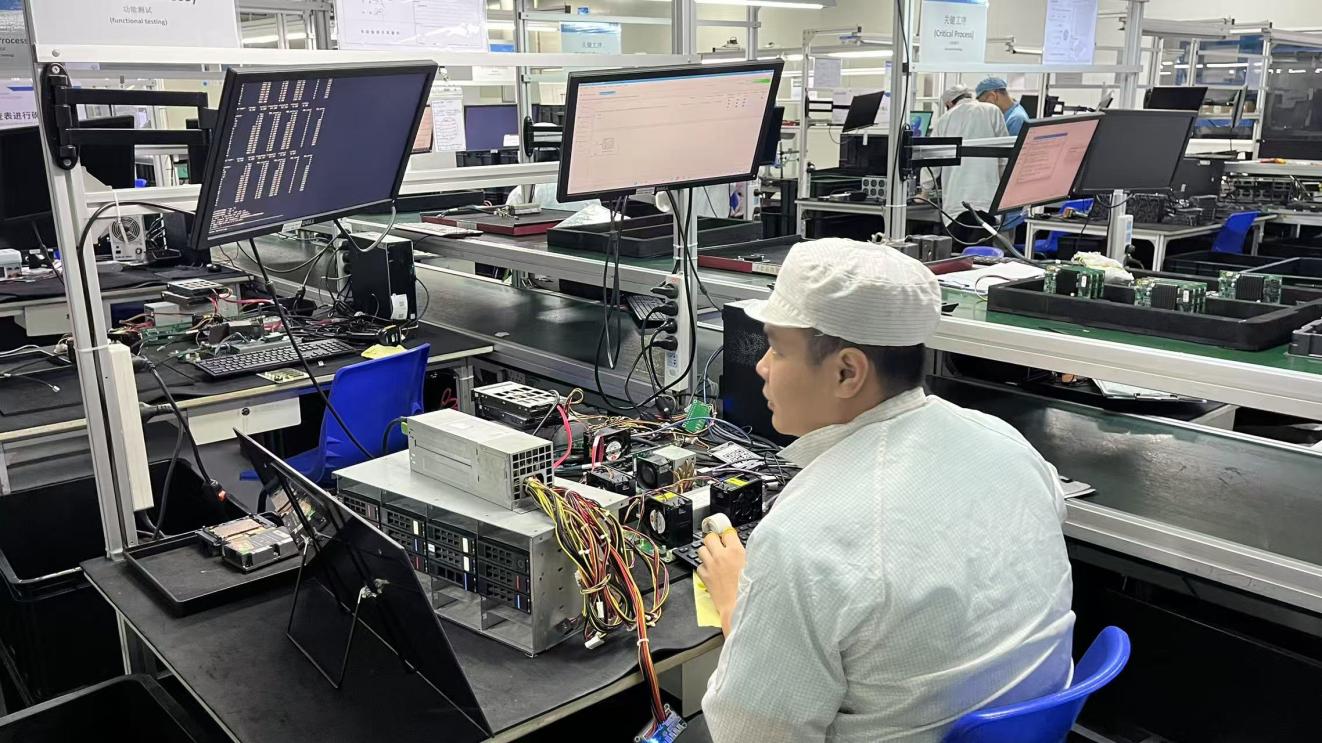
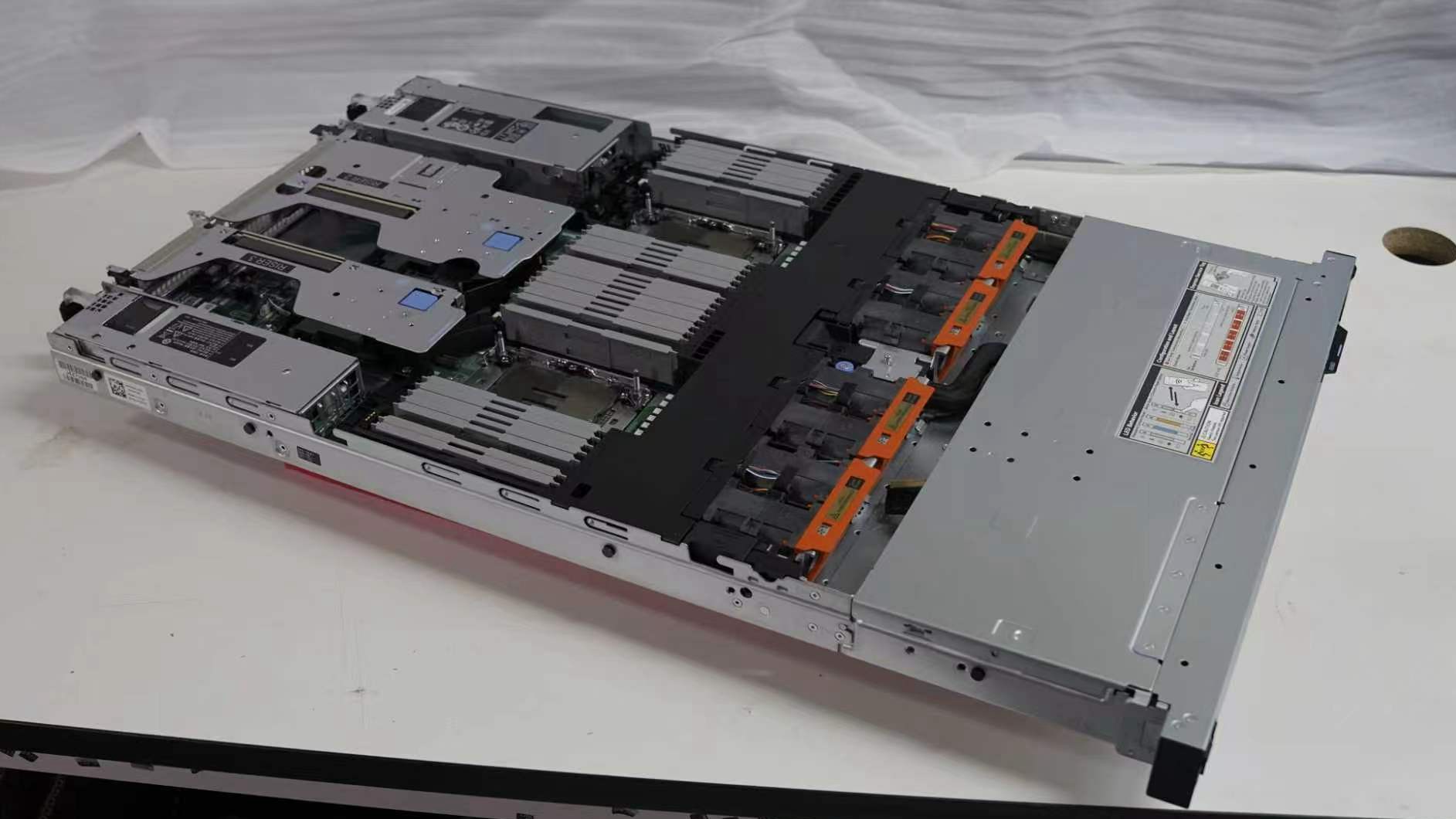
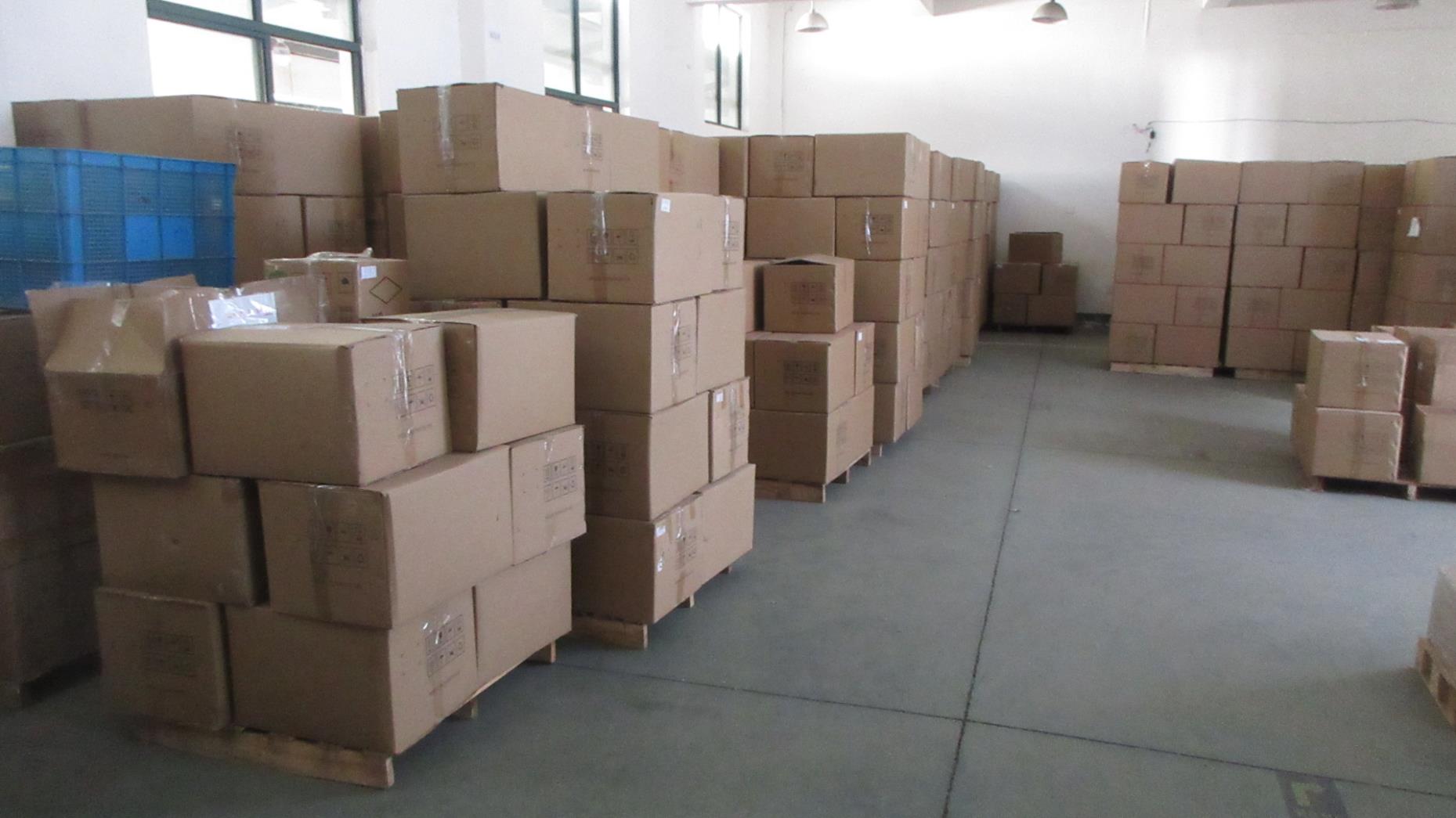
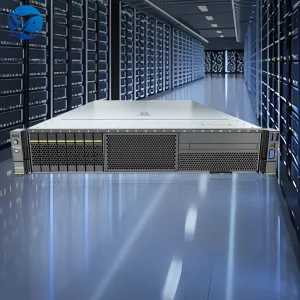
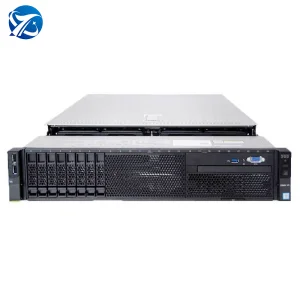
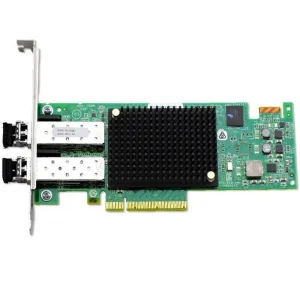
Velorix offers comprehensive OEM and ODM services, enabling customers to customize GPU configurations, CPU platforms, memory capacity, storage architecture, networking solutions, rack integration, branding, and software deployment according to project requirements. Our strong R&D capability allows us to rapidly transform customer concepts into market-ready solutions.
China's manufacturing ecosystem has evolved from high-volume assembly to advanced Industry 4.0 smart manufacturing. This evolution is driven by integrated logistics networks, a complete component supply chain, and automated assembly technologies. In the high-performance server sector, this ecosystem enables rapid prototyping, rigorous quality testing, and unmatched manufacturing efficiency.
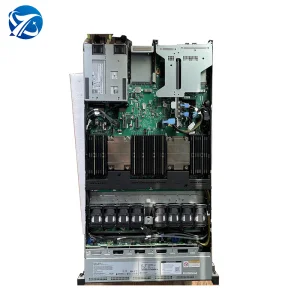
Velorix utilizes this local network to secure stable lead times, even when global markets face chip shortages. Our partnerships with over 850 supply chain partners allow us to source high-grade capacitors, multi-layered server motherboards, robust chassis, and specialized cooling solutions at competitive rates. These cost advantages are passed directly to our customers, without compromising on E-E-A-T manufacturing standards.
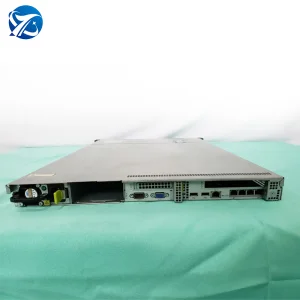
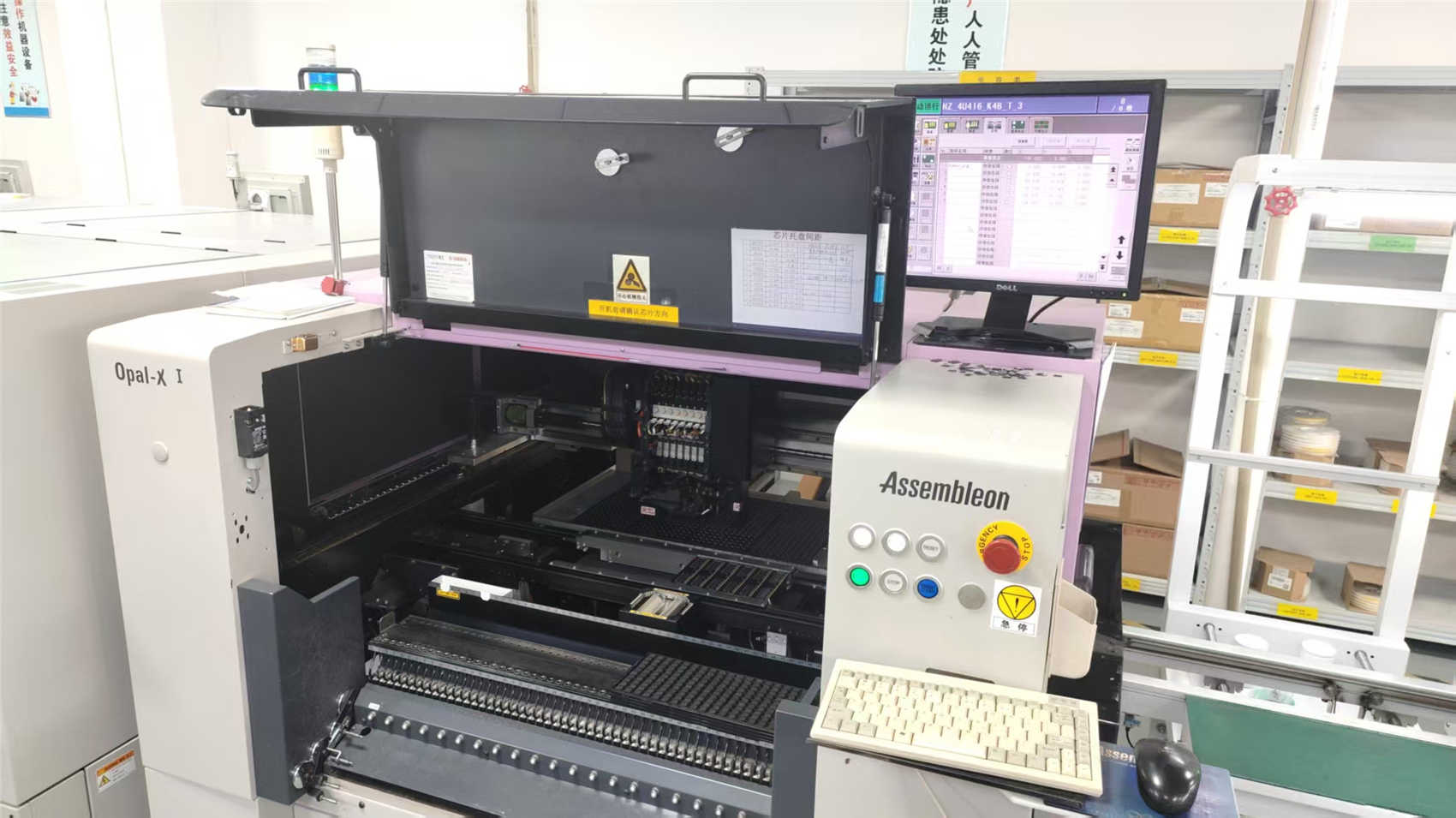
Additionally, Factory 4.0 processes ensure precise manufacturing consistency. Automatic optical inspection (AOI), robotic component placement, and digital thermal testing systems minimize human error. Every server node—whether a 1U rack-mount system or a 4U AI server—is built to the exact same specifications, ensuring reliability and predictable performance in demanding data center environments.
• Rapid Component Sourcing: Direct access to the world's largest semiconductor and electronics cluster, reducing development timelines.
• Adaptive Assembly Lines: Easily scale production from small batches to large-scale rollouts.
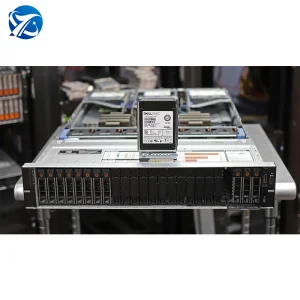
AI research labs and cloud service providers use Velorix custom 4U GPU servers and high-density 2U nodes to train deep learning models. Supported by DDR5 RDIMM memory systems, these configurations process data pipelines with low latency, reducing training times from weeks to days.
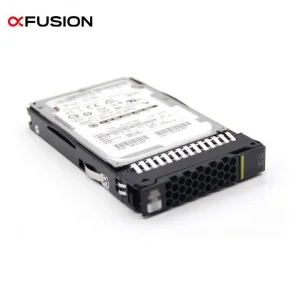
Corporate IT departments deploy CE-certified rack-mount servers to support secure office virtualization, database management, and internal storage networks. High-reliability storage drives (like the PM897 and S4520 SSD series) ensure constant data availability and minimal system downtime.
Industrial automation and smart city networks deploy short-depth rackmount chassis at the network edge. These platforms withstand higher temperature variations while processing data locally, filtering inputs before sending critical telemetry to central repositories.