 Velorix
Velorix
Velorix
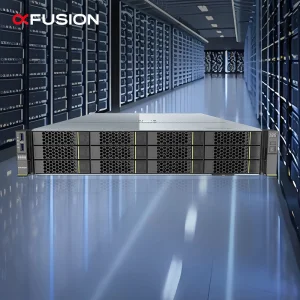
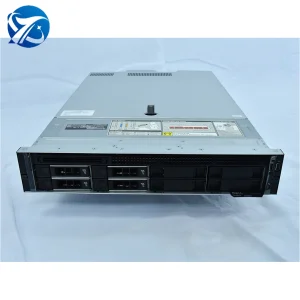
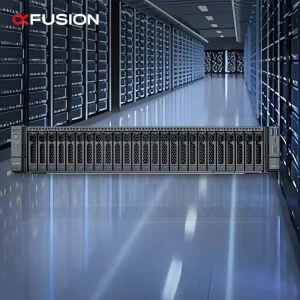
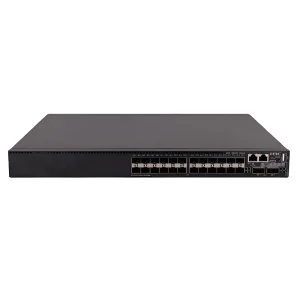
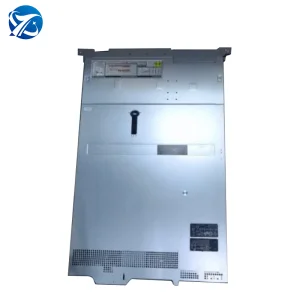
Explore our certified infrastructure inventory. These hardware assets form the physical backbone of high-capacity edge clusters, IIoT networks, and distributed data pipelines.
The intersection of Internet of Things (IoT) networks, real-time edge intelligence, and enterprise-grade computing infrastructures represents a pivotal transformation across global industries. Historically, IoT devices functioned simply as telemetry nodes, collecting environmental variables and forwarding raw data blocks back to centralized cloud arrays. Today, the industrial reality demands low latency, autonomous decision-making capability, and military-grade resilience directly at the network's periphery.
In modern manufacturing, logistics, and power grid administration, telemetry density has surged exponentially. Industrial systems generate massive, continuous data lakes that cannot be economically or effectively backhauled to centralized facilities without bottlenecking bandwidth. This necessitates Edge AI computing platforms. These specialized configurations process real-time video streams, monitor structural health parameters, and manage localized power distributions with sub-millisecond responses.
Rather than sending raw sensor data thousands of miles, localized high-performance compute nodes process inference models at the source, dramatically optimizing response parameters.
Processing critical infrastructure variables locally ensures that sensitive telemetry remains within the secure enterprise perimeter, eliminating cloud-backhaul interception vectors.
Aggregating telemetry locally via high-capacity optical layer-3 switches ensures optimal traffic routing, sending only summary metadata metrics to centralized dashboards.
For global deployment, particularly in the European Economic Area (EEA), regulatory compliance is not merely a formality—it is a critical prerequisite. The CE Certification (Conformité Européenne) marking acts as a declaration that products comply with the essential safety, health, and environmental requirements defined in the relevant European directives.
Any IoT device utilizing cellular (4G/5G), Wi-Fi, Bluetooth, or LoRaWAN communication protocols must align with the RED. This directive addresses effective spectrum use, electrical safety, and elektromagnetc compatibility. Crucially, Article 3.3 of the RED mandates specific safeguards to prevent network degradation, protect user privacy, and guard against digital fraud—meaning modern industrial systems must integrate cybersecurity features by design.
Industrial installations host high densities of power equipment. Our certified hardware undergoes rigorous laboratory testing to verify that its electromagnetic emissions do not interfere with adjacent equipment (e.g., medical devices, telemetry transceivers). Concurrently, the hardware is hardened to resist environmental electromagnetic disturbances, such as power surges, electrostatic discharges, and radio frequency interference.
For infrastructure operating within the range of 50 to 1000V AC or 75 to 1500V DC, LVD compliance guarantees user protection from electrical shocks, thermal hazards, and mechanical failures. High-draw server platforms equipped with redundant 900W or 1500W power supplies must meet stringent insulation, mechanical strength, and fire-resistance standards under sustained loads.
Responsible manufacturing requires eliminating toxic substances from the supply chain. Velorix restricts the use of lead, mercury, cadmium, and hexavalent chromium in all electronic sub-assemblies. This eco-centric design simplifies eventual equipment recycling and aligns with modern ESG initiatives.
As enterprise technology scales, the following technological trends are shaping the design parameters of modern hardware architectures deployed globally:
Modern architectures rely on localized, hardware-accelerated GPU units running complex object-detection, anomaly-detection, and machine-learning models without cloud dependency.
Unifying storage, compute, and high-performance routing into singular, hyperconverged 1U/2U platforms significantly simplifies remote facility deployment.
Transitioning backhaul structures to 10G and 40G optical topologies eliminates queuing latency, enabling real-time telemetry streaming in high-density sensor clusters.
Understanding the diverse requirements of localized industries enables Velorix to design and configure hardware architectures optimized for regional challenges:
In European manufacturing hubs, strict data privacy mandates (GDPR) and high safety standards require localized data processing. Our CE-certified edge controllers ingest high-rate sensor streams, execute localized quality inspections, and store historical logs locally on highly redundant RAID configurations (using platforms like our XC170-M-8i arrays). This ensures compliance while maintaining high-speed production cycles.
Managing distributed green energy components (wind farms, solar arrays) across large geographical regions requires localized compute resources at substation levels. Our 1U/2U rack servers operate reliably in demanding environments, performing load predictions and routing adjustments independently of central clouds. High-availability optical backhauls via H3C all-optical switches preserve bandwidth stability.
Deploying real-time computer vision networks across urban intersections requires edge servers with dedicated GPU acceleration capability. By processing traffic feeds locally on our high-performance Xeon-based configurations, municipal networks can dynamically adjust signal timing, reducing peak congestion by up to 22% while ensuring public video streams are processed within secure, local perimeters.
Large distribution facilities deploy high volumes of automated sorting equipment and autonomous mobile robots (AMRs). Edge servers consolidate robotic telemetry, coordinate warehouse layouts, and handle routing calculations locally. This prevents network delays that could stall logistics processes, keeping global shipping pipelines running smoothly.
As network demands evolve, Velorix aligns its manufacturing systems with upcoming industry changes:
Integrating energy-efficient AI acceleration chips directly into standard edge gateway and server frames. This enables local execution of deep-learning inference models, such as YOLO and localized LLMs, within a limited power profile.
Rolling out time-sensitive networking (TSN) capabilities across our switches, guaranteeing deterministic latency for critical industrial controls. Expanding our optical core switches to support high-speed 40G/100G edge-uplinks.
Developing software-defined hardware nodes that autonomously form localized compute grids. This design will allow edge nodes to pool processing power dynamically, ensuring high reliability in smart cities and massive industrial complexes.
True system efficiency requires a coordinated architecture that bridges physical field devices, localized networks, and cloud storage systems. Below is an overview of how Velorix coordinates these key layers:
Sensor arrays route telemetry through multi-port industrial switches. Using hardware like the H3C S6520X-30QC-EI, networks can balance local processing demands against central cloud backhauling, preventing congestion.
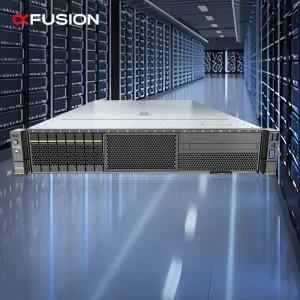
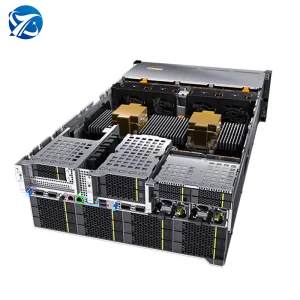
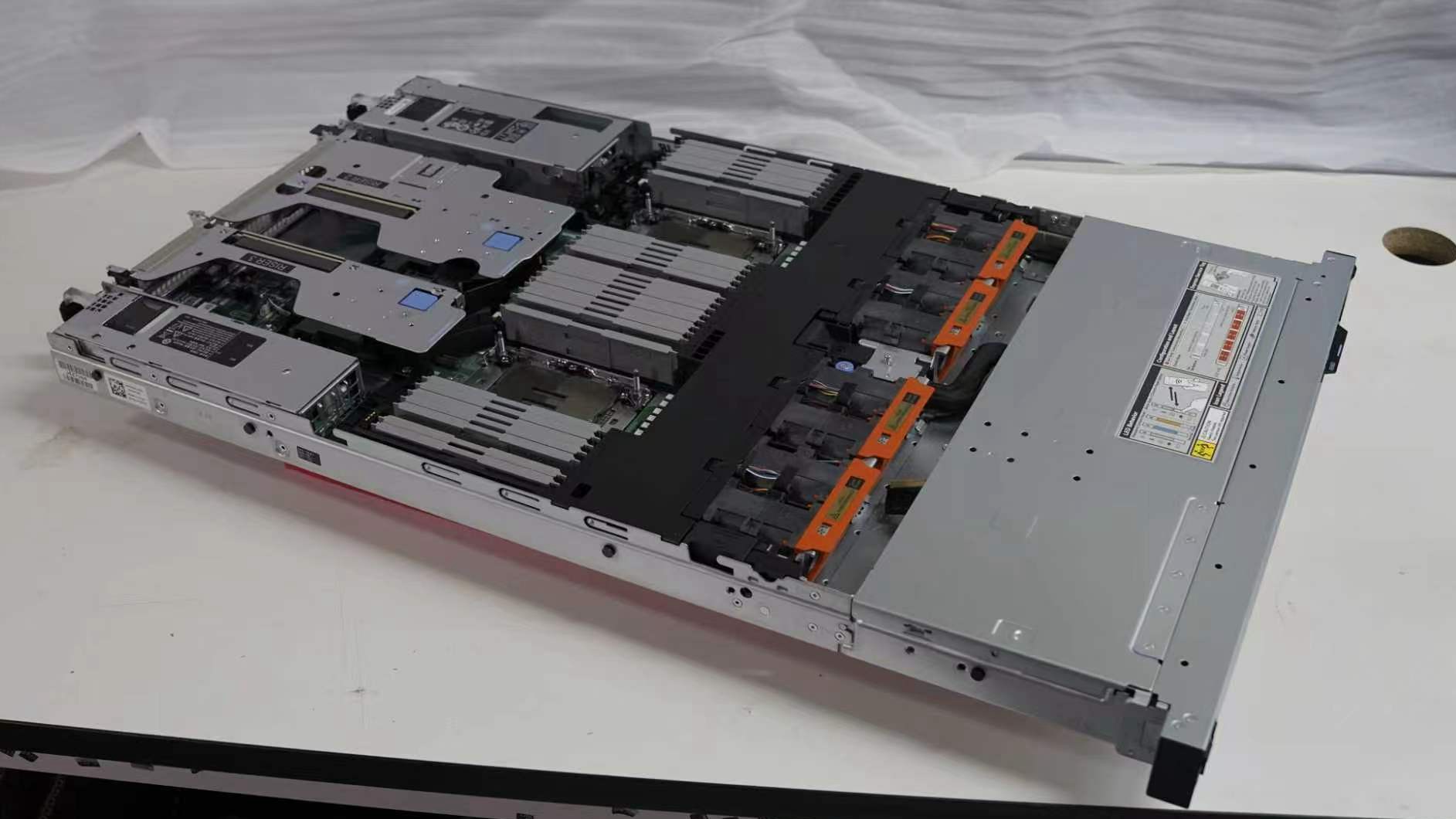
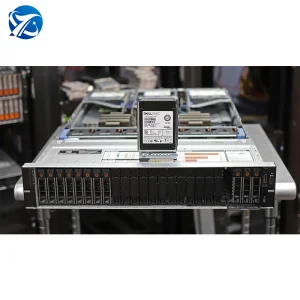
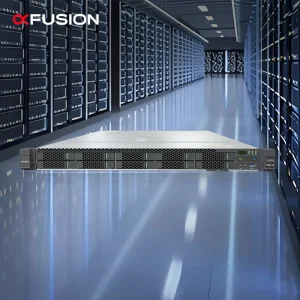
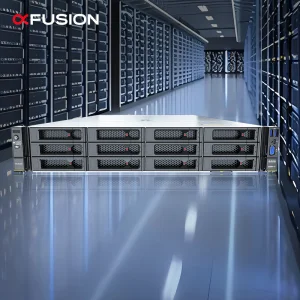
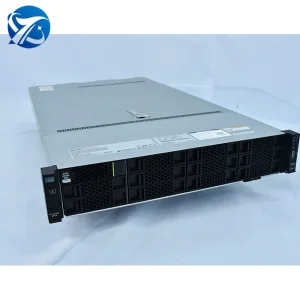
For analytics requiring heavy computation, dual-socket systems (such as the xFusion 2288H V6 / V7 or Dell R760XS) process localized data. This provides fast, reliable analysis for time-sensitive applications.
Using hardware RAID solutions like the XC470C-M-8i, local setups write telemetry to arrays with high reliability. This ensures that even during unexpected network cuts, no critical operational data is lost.
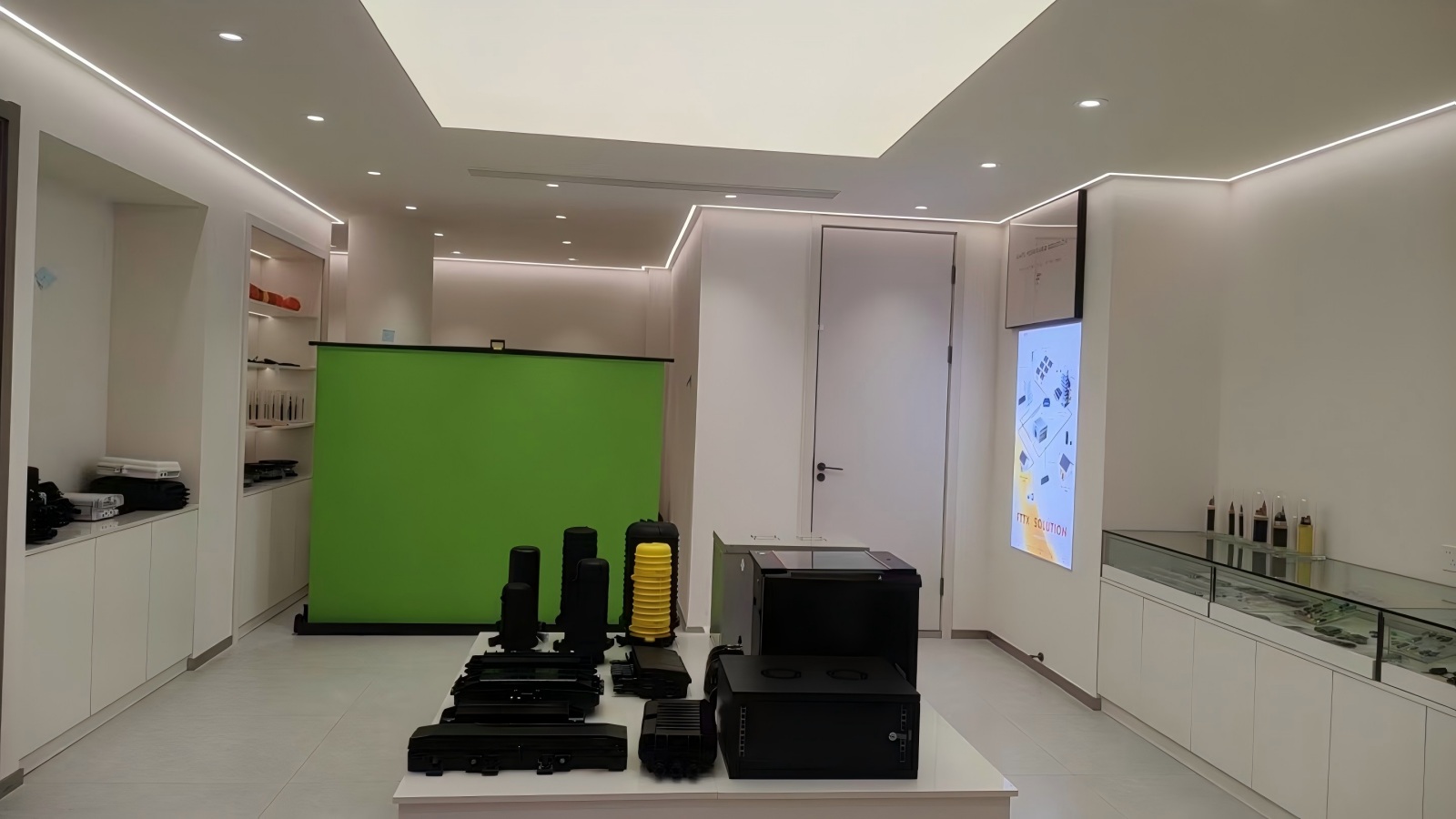
Founded in 2016, Velorix Intelligent Technology Co., Ltd. is a professional manufacturer specializing in AI GPU servers, high-performance computing systems, GPU clusters, and customized AI infrastructure solutions. With a modern production facility covering 380㎡, we provide reliable and scalable computing platforms for AI training, AI inference, deep learning, cloud computing, and data center applications.
Leveraging 10 years of industry experience and 6 years of export experience, Velorix has successfully delivered advanced GPU server solutions to customers worldwide. Our annual export revenue exceeds USD 12 million, reflecting our strong manufacturing capabilities and growing global presence.
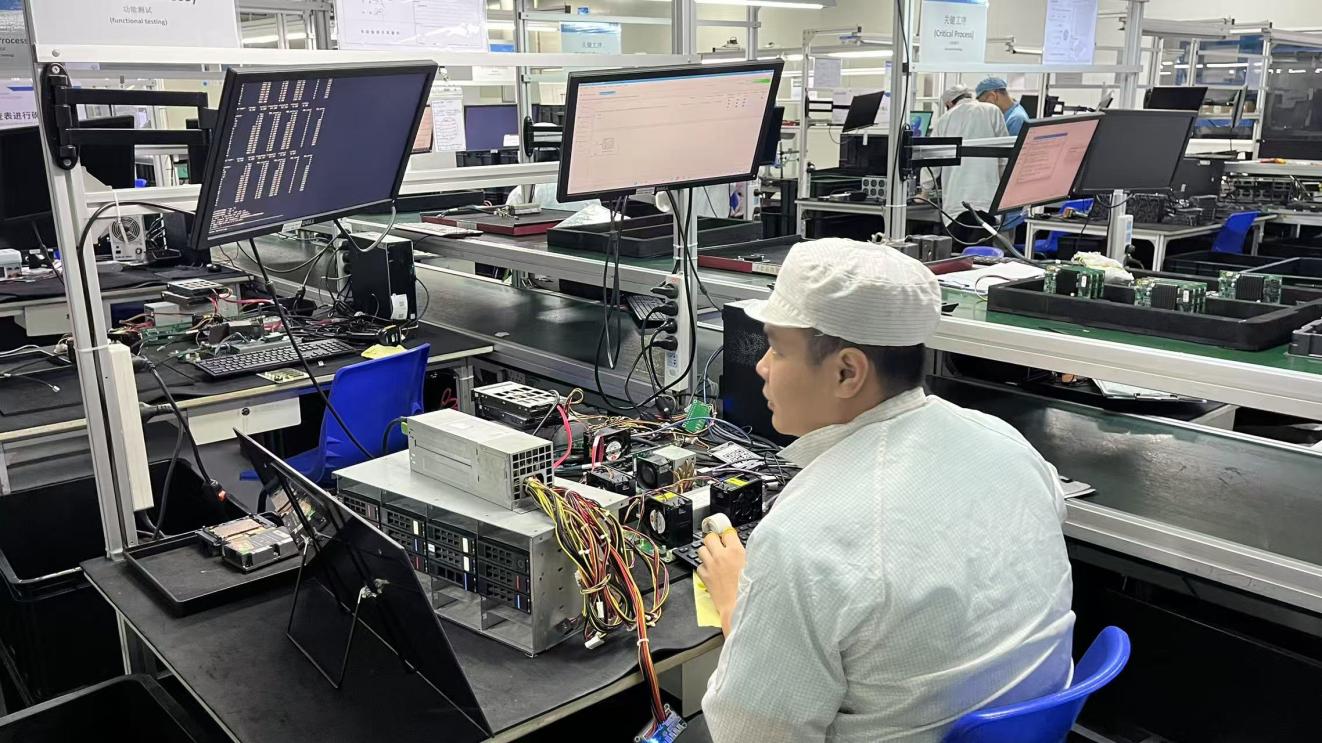
Quality is at the core of everything we do. We operate a comprehensive quality management system supported by 42 dedicated quality control personnel. Every product undergoes strict inspections, including component verification, burn-in testing, thermal performance testing, power stability testing, network validation, and final system performance benchmarking to ensure maximum reliability and performance.
As a manufacturer with integrated production and international trading capabilities, Velorix serves customers across North America, Europe, the Middle East, Southeast Asia, and Oceania. Our products are widely used by AI startups, research institutions, cloud service providers, system integrators, enterprise data centers, and HPC solution providers.
To maintain innovation and technological leadership, we have established strategic partnerships with more than 850 supply chain partners and technology suppliers. Our research and development team consists of 135 experienced engineers focused on server architecture optimization, AI computing solutions, thermal management technologies, and customized hardware integration.
Velorix offers comprehensive OEM and ODM services, enabling customers to customize GPU configurations, CPU platforms, memory capacity, storage architecture, networking solutions, rack integration, branding, and software deployment according to project requirements. Our strong R&D capability allows us to rapidly transform customer concepts into market-ready solutions.
Last year alone, we launched 168 new products and solution variants to meet the rapidly evolving demands of the AI and high-performance computing industry.
Driven by innovation, quality, and customer success, Velorix is committed to becoming a trusted global partner for next-generation AI computing infrastructure and GPU server solutions.
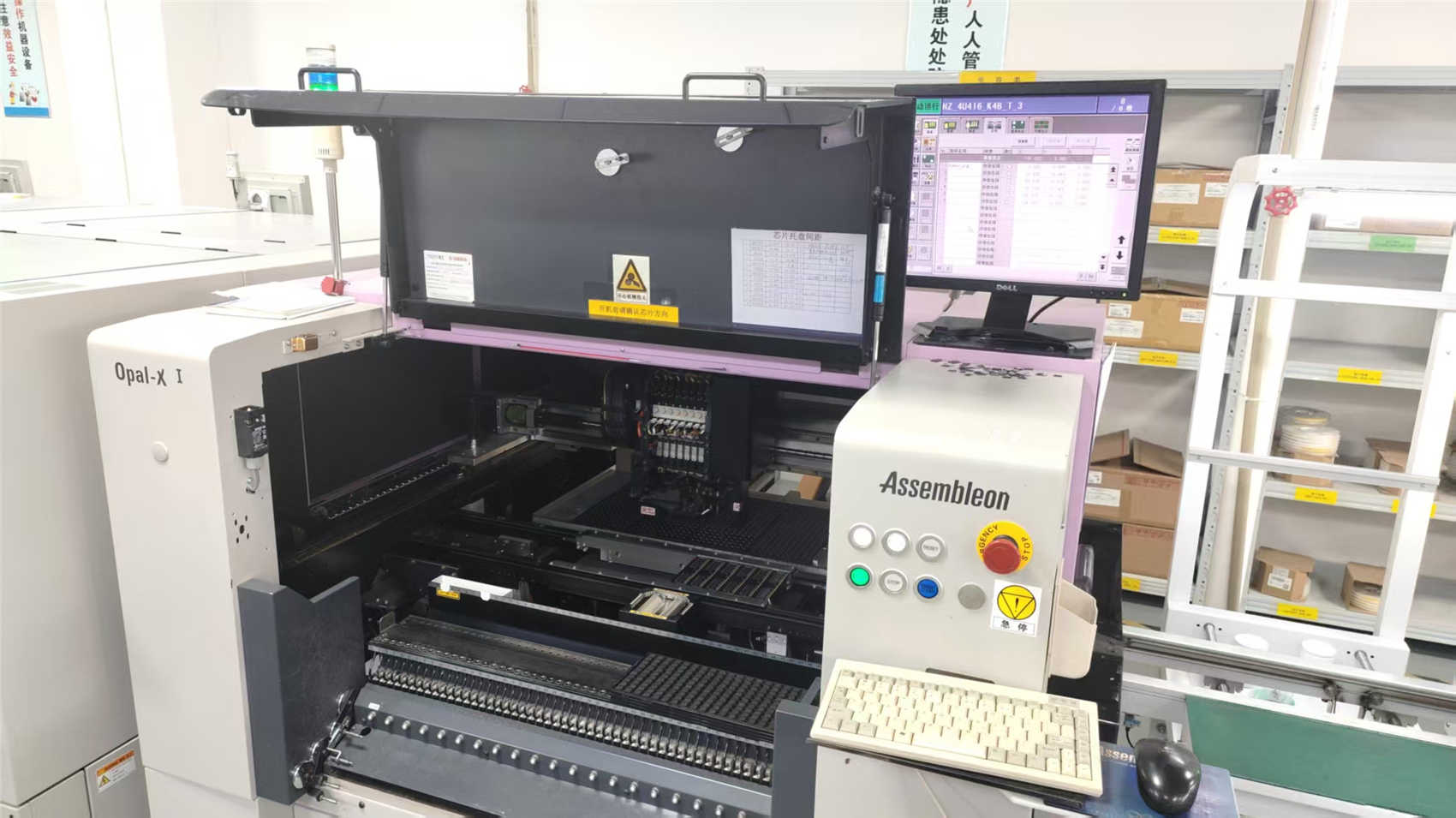
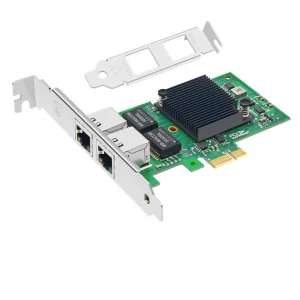
Discover our remaining core components designed to ensure stability, hardware acceleration, and seamless deployment across international boundaries.
Review answers to common questions about deployment, hardware standards, and CE compliance regulations: