Velorix
Velorix
Velorix
Select premium hardware platforms configured for critical compute nodes, deep learning models training, and data center virtualization.
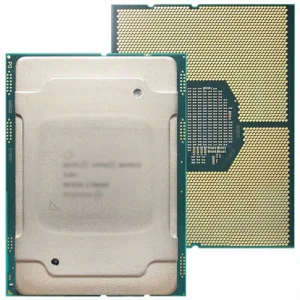
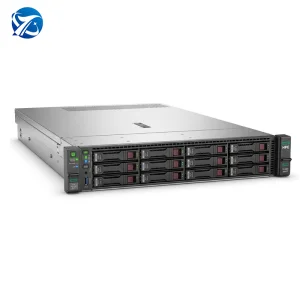
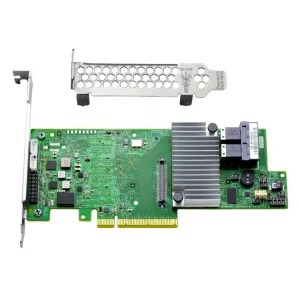
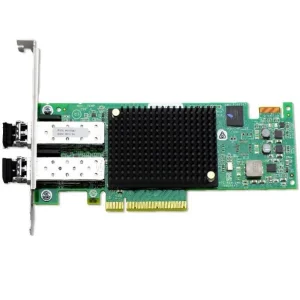
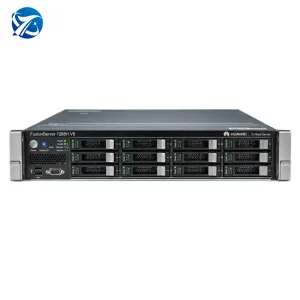
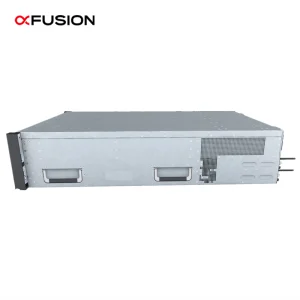
The landscape of artificial intelligence is transitioning rapidly from narrow deep learning models to massive foundation architectures comprising hundreds of billions of parameters. To support this paradigm shift, hardware requirements have progressed beyond standard monolithic server setups. Next-generation AI Training Systems are structured to handle massive workloads involving tensor arithmetic, high-frequency synchronization, and distributed pipeline parallelisms.
Modern enterprise clusters run highly optimized networks such as NVIDIA NVLink, AMD Infinity Fabric, or ultra-low-latency InfiniBand. These configurations eliminate standard PCIe communication bottlenecks, allowing multi-GPU configurations to operate as a single virtual accelerator. Furthermore, the advent of specialized model optimization structures (e.g., DeepSeek, MoE - Mixture of Experts) demands server clusters capable of low-latency parameter routing and massive memory bandwidth pools (HBM3e/DDR5).
Deploying InfiniBand NDR (400Gbps to 800Gbps) and RoCEv2 (RDMA over Converged Ethernet) ensures that gradient exchanges between nodes occur near hardware limits, preventing server idling during massive training epochs.
As modern GPU TDP (Thermal Design Power) approaches 700W–1000W per accelerator chip, manufacturers are redesigning airflow channels, integrating liquid-to-air cooling manifolds, and offering cold-plate hybrid setups directly from assembly lines.
Underpinned by extensive structural investments and deep technical resources to meet high-performance computing needs.
An analysis of purchasing patterns and total cost of ownership (TCO) constraints faced by global enterprise buyers, hyperscalers, and sovereign AI consortia.
High-density multi-GPU clusters operate at 80% to 95% duty cycles during LLM pre-training phases. Purchasing departments require redundant power supplies (PSUs) operating at 80-Plus Titanium efficiency ratings, with configurations supporting 3-phase high-voltage power inputs directly on the chassis to reduce electrical losses.
Hyperscalers are increasingly specifying open-source management interfaces, specifically OpenBMC, and standard IPMI utilities. Velorix provides standard, unlocked firmware options across customized rack builds, mitigating risks associated with proprietary firmware loops and enabling seamless integration into multi-vendor environments.
Systems must easily scale storage arrays and interface nodes. Integrating modular layouts like OCP (Open Compute Project) network mezzanine cards, U.2/U.3 NVMe storage expansion zones, and swappable PCIe riser cages allows operations teams to upgrade components like network adapters without swapping out complete compute nodes.
Manufacturing cutting-edge AI infrastructure requires complex co-dependencies. Velorix leverages strategic proximity to regional clusters, enabling rapid component sourcing, customized board manufacturing, and immediate access to crucial mechanical components like heat sinks, complex riser assemblies, and high-integrity sheet metal chassis.
By operating directly alongside over 850 supply chain partners, we bypass traditional import-export delays, ensuring components pass from initial foundry fabrication through validation, staging, and assembly lines within highly condensed manufacturing cycles.
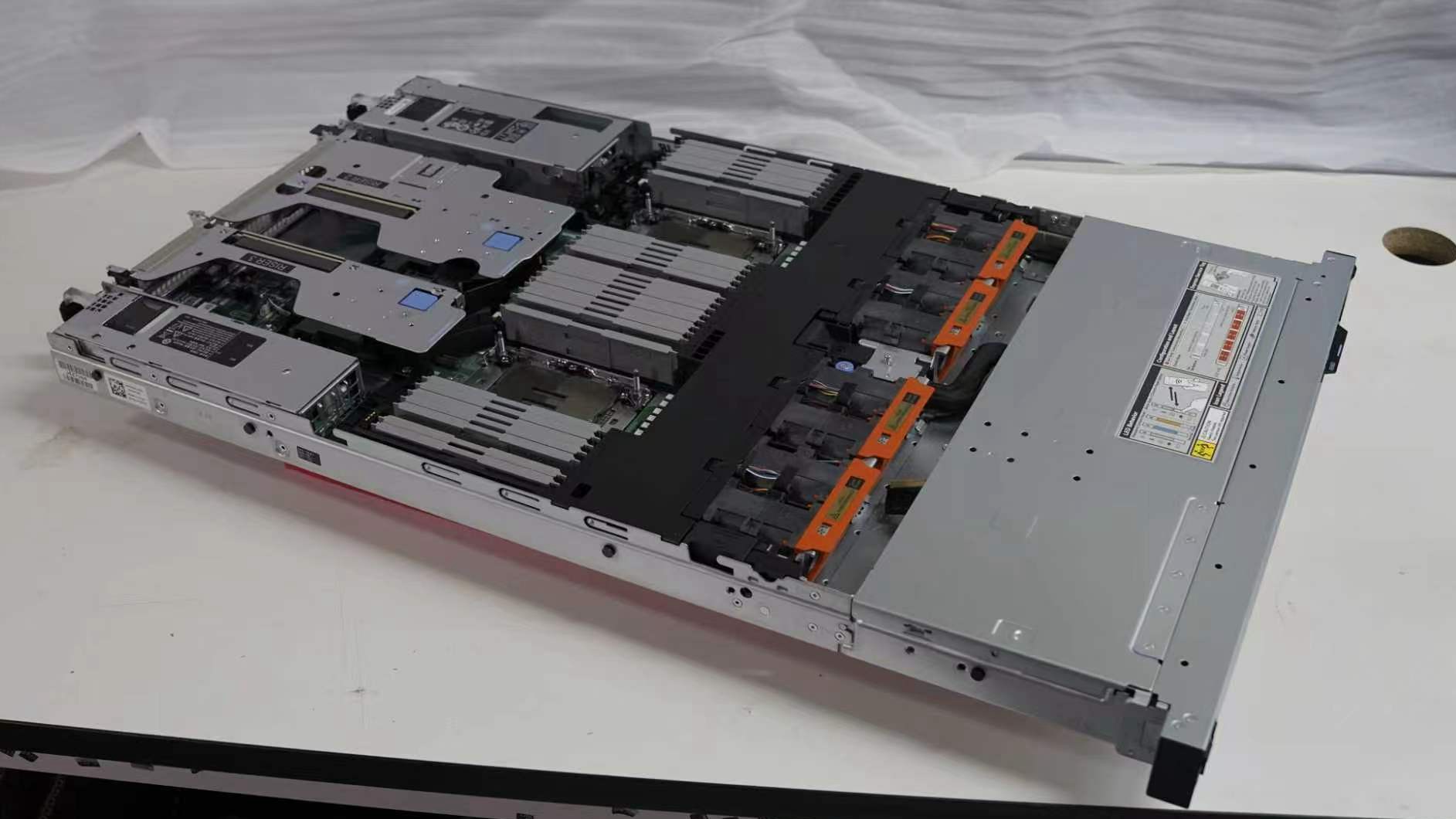
Our engineering facility specializes in custom server layouts. Whether you are running proprietary neural network accelerators, need targeted cooling modifications for high-density 1U/2U server platforms, or require customized branding and software pre-installation, our manufacturing infrastructure is built to scale from individual prototype configurations to large-volume global data center rollouts.
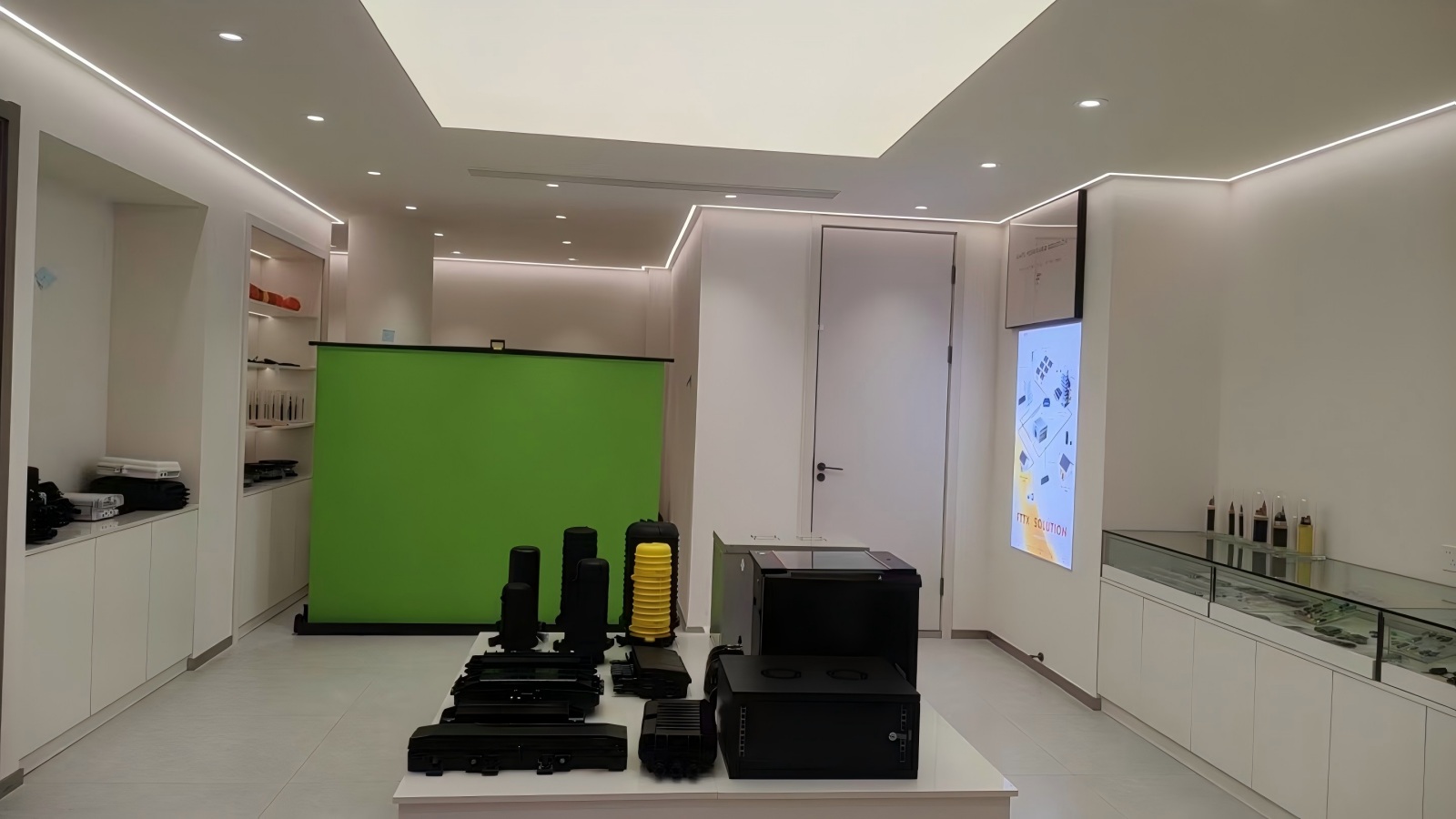
A premier manufacturer and designer of high-performance GPU compute server systems and customized AI datacenter architectures.
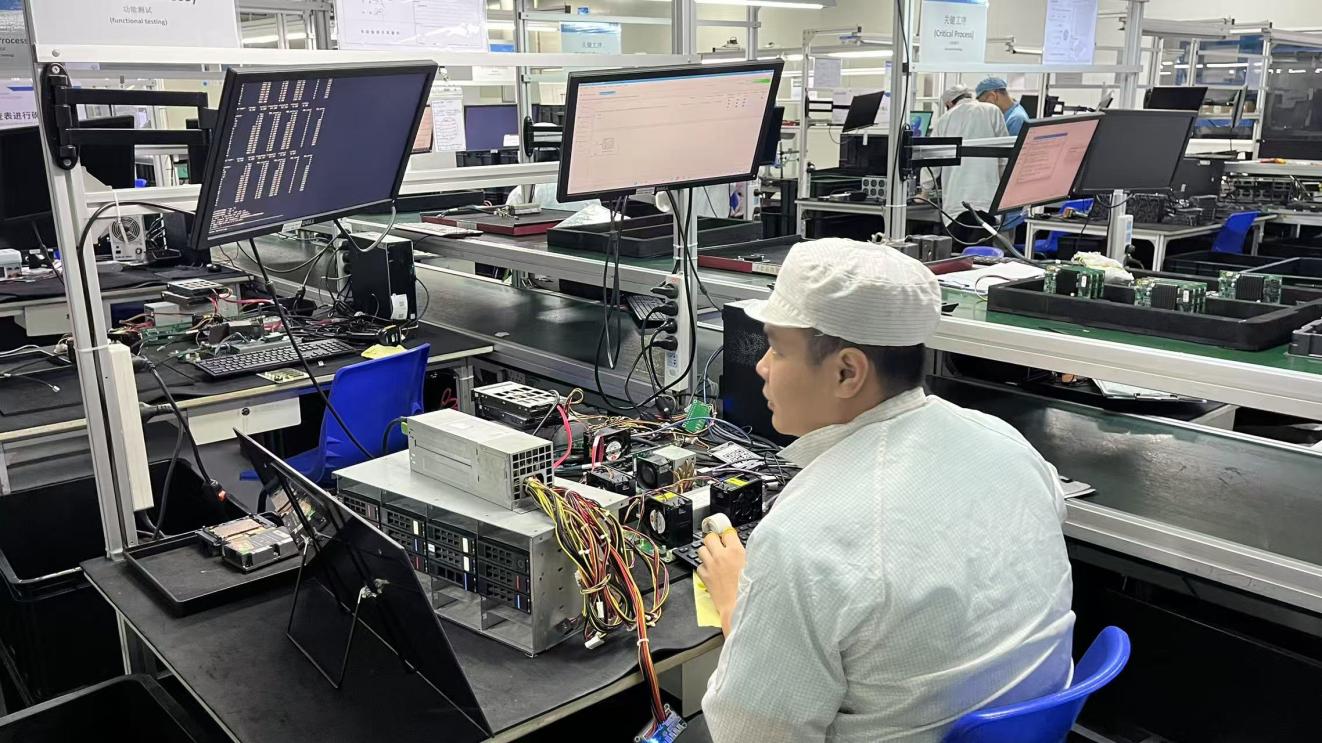
Quality is central to our manufacturing process. We operate an extensive quality management system supported by a dedicated team of 42 quality control professionals. Each system is subjected to a series of diagnostic and environmental evaluations before shipment, including:
To maintain innovation and technological leadership, we have established strategic partnerships with more than 850 supply chain partners and technology suppliers. Our research and development team consists of 135 experienced engineers focused on server architecture optimization, AI computing solutions, thermal management technologies, and customized hardware integration.
Last year alone, our R&D team successfully developed and launched 168 new product variations, catering to specialized edge AI deployments, dense multi-card server racks, and massive GPU cluster structures.
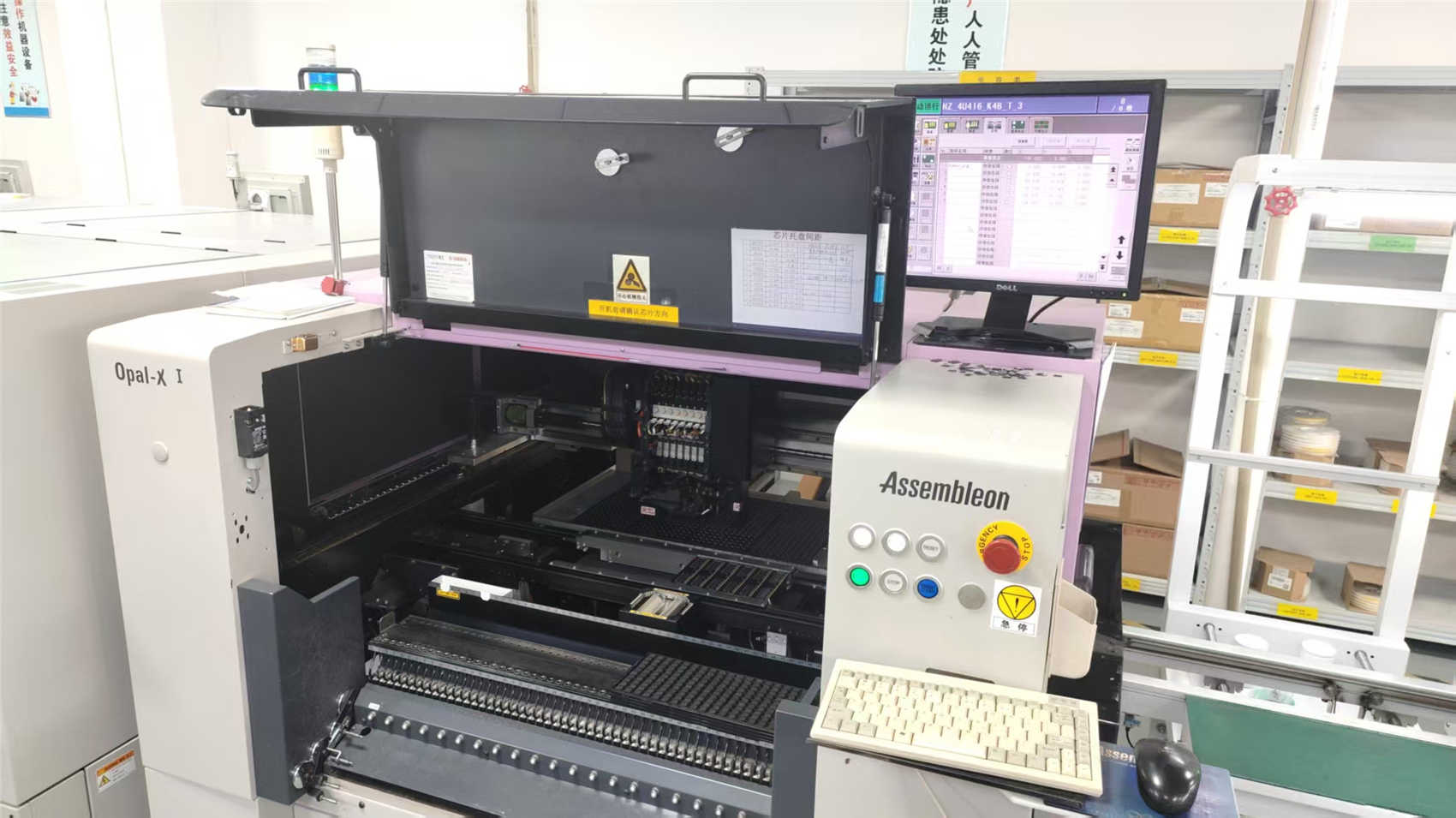
How industry leaders deploy Velorix GPU systems to solve performance challenges across specialized application verticals.
Processing petabytes of real-time camera and LiDAR telemetry streams. Custom AI systems train multi-modal vision-language models (VLM) for trajectory planning, object recognition, and edge hazard detection simulation loops.
Protein folding computations, molecular modeling, and target sequence alignment require highly-dense GPU systems. Our specialized GPU platforms reduce the turnaround time for computational clinical validation trials from months to days.
Running massive monte-carlo simulations, fraud detection pipelines, and high-frequency risk assessments. Redundant NVMe setups combined with hardware-level encryption guarantee both compute throughput and data security compliance.
Deploying edge AI servers directly at factory assembly points. Live camera feeds are analyzed in sub-millisecond windows to flag micro-defects in precision components, minimizing manual inspection latency.
Detailed answers to direct technical inquiries regarding GPU system integration, memory architectures, and thermal configuration options.
High-throughput servers, high-density processors, and storage configurations designed for next-generation IT environments.