Velorix
Velorix
Velorix
Explore our elite inventory of rack servers, high-density storage engines, and Fibre Channel high-speed network interfaces customized for modern virtualization workloads.
Understanding the technical shifting demands towards high-density workloads, AI integration, and the critical role of custom supply chains.
The rise of LLMs (Large Language Models) and complex AI algorithms is driving traditional hyperscalers to migrate away from CPU-bound platforms towards dense GPU-centric topologies. Organizations require massive parallelization, optimized internal PCIe bus routing, and low-latency storage access to prevent data starvation during model training.
Power Usage Effectiveness (PUE) is the ultimate metric for modern infrastructure operators. As power density per rack escalates from 10kW to over 50kW, integrating smart chassis architecture, multi-fan cooling matrices, and preparation for liquid loop pipelines has transitioned from a design option to an absolute necessity.
Local latency limits dictate user satisfaction. Moving centralized computations to edge zones necessitates compact 1U/2U server platforms capable of operating reliably in less-than-ideal industrial conditions, demanding strict components validation, dust proofing, and localized remote Out-Of-Band (OOB) monitoring integrations.
In modern server engineering, procurement teams struggle with standard datasheet metrics that fail to reflect real-world performance under thermodynamic load. True system integration requires deep understanding of thermal resistance margins, bus lane bifurcation configurations, and high-frequency network card signal integrity. As data centers migrate to PCIe 5.0 and beyond, trace-routing on motherboards demands high-TG glass transition temperature PCBs and specialized manufacturing processes that only world-class factories can reliably scale.
By working directly with China-based hardware manufacturers, worldwide procurers obtain key transparency regarding supply chain components: the specific manufacturer of solid capacitors, controller revisions of SAS/SATA backplanes, and firmware patches for IPMI chips that prevent cybersecurity vulnerabilities before the server goes to rack.
Explore the systematic efficiency, upstream integration, and engineering speed advantages that position Chinese supply networks at the core of the global IT market.
Located in industrial clusters like Shenzhen, factories sit minutes away from the world's most dense ecosystem of sheet metal design, PCB assembly, connectors, and power supply units. This limits raw product development turnaround times from months to weeks.
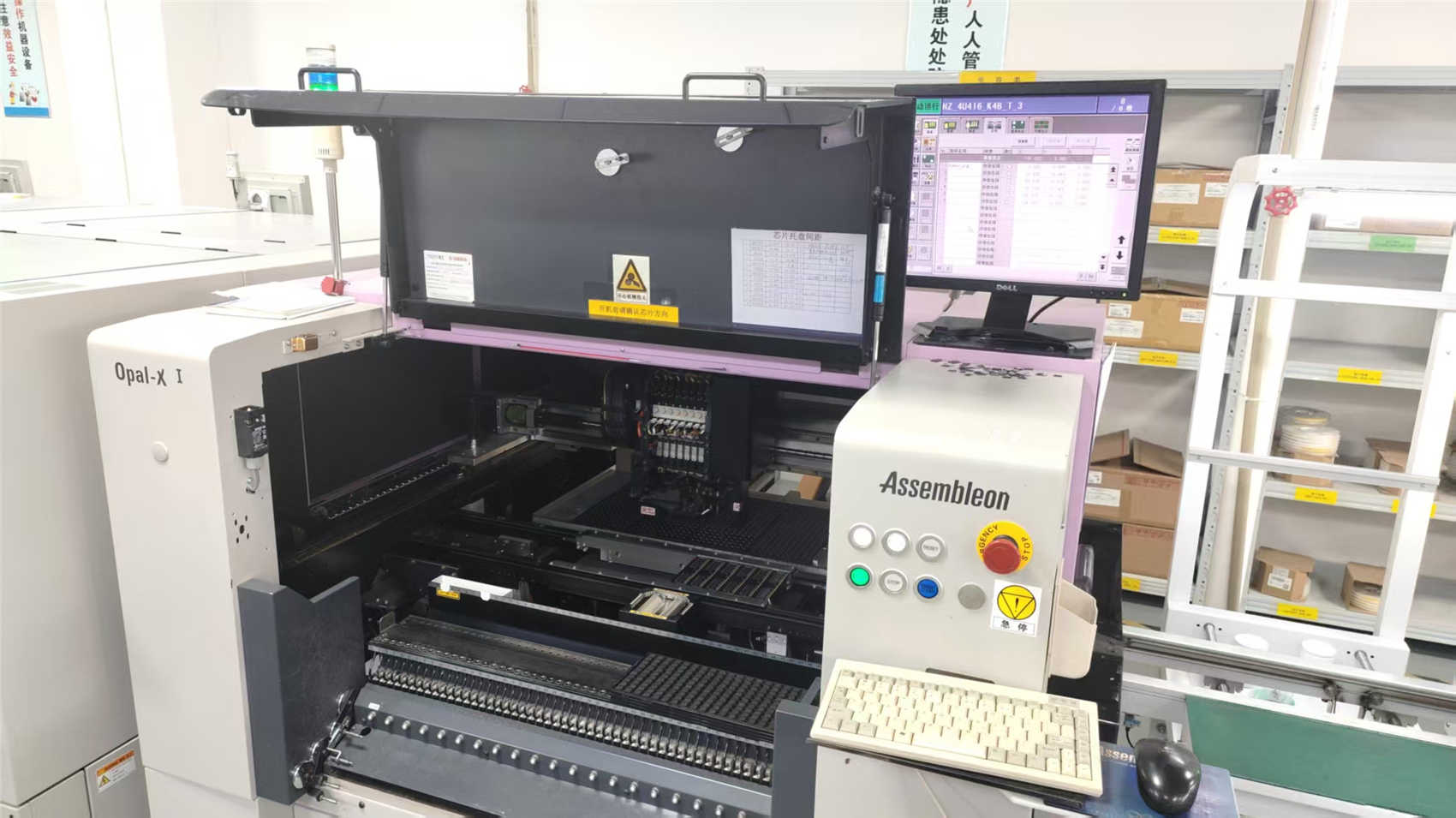
Operating automated optical inspection (AOI), environmental stress screening (ESS), and complete thermodynamic simulation systems, modern Chinese factories filter defects long before shipping to minimize DOA (Dead on Arrival) risks at destination.
Whether requiring custom power distribution unit backplanes, specific enterprise BIOS modifications, or co-branded bezel configurations, China's engineering flexibility supports dynamic revisions at a fraction of the setup costs.
Driving computing acceleration through precision manufacturing, comprehensive system benchmarking, and collaborative OEM/ODM methodologies.
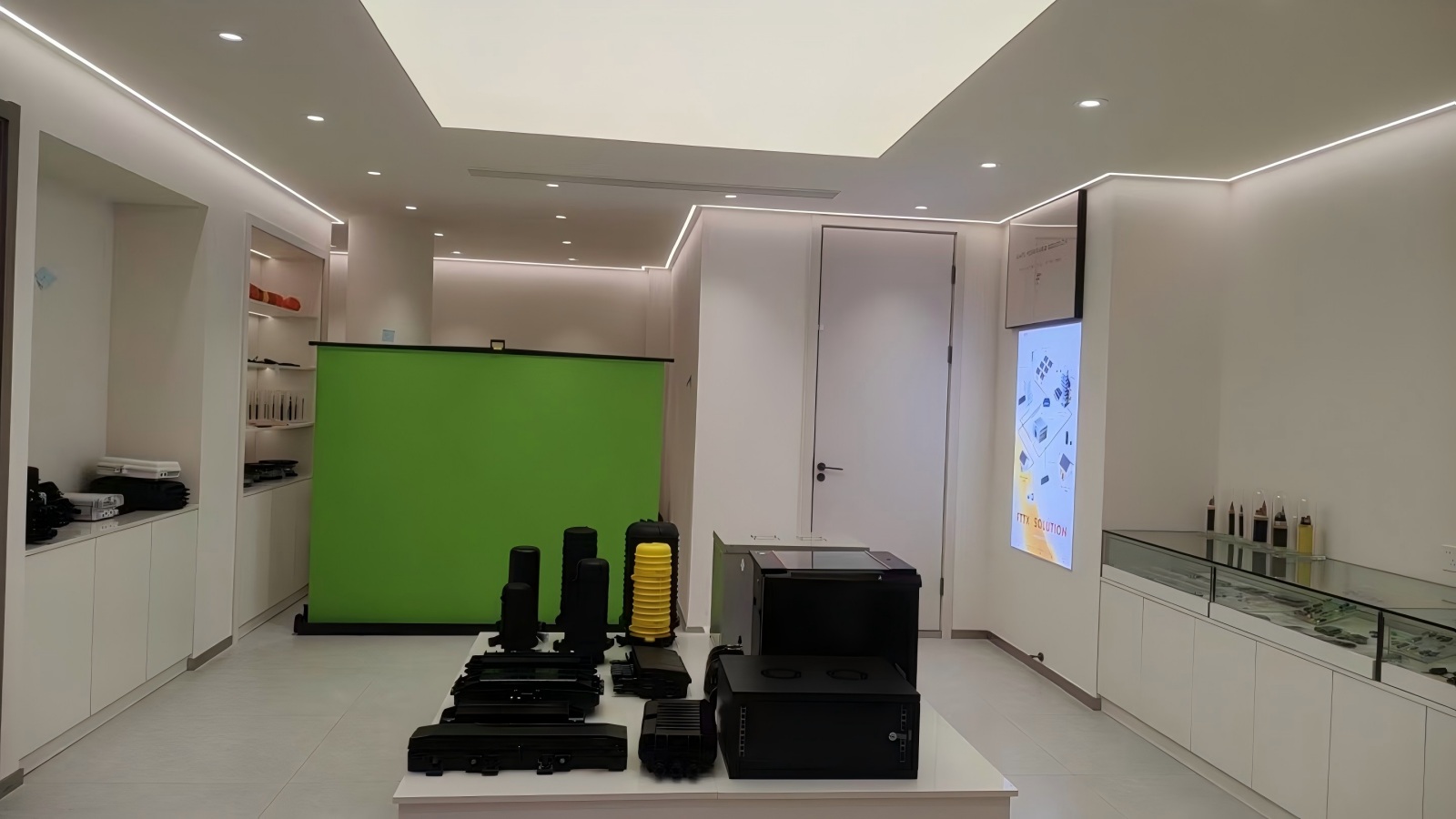
Founded in 2016, Velorix Intelligent Technology Co., Ltd. is a professional manufacturer specializing in AI GPU servers, high-performance computing systems, GPU clusters, and customized AI infrastructure solutions. With a modern production facility covering 380㎡, we provide reliable and scalable computing platforms for AI training, AI inference, deep learning, cloud computing, and data center applications.
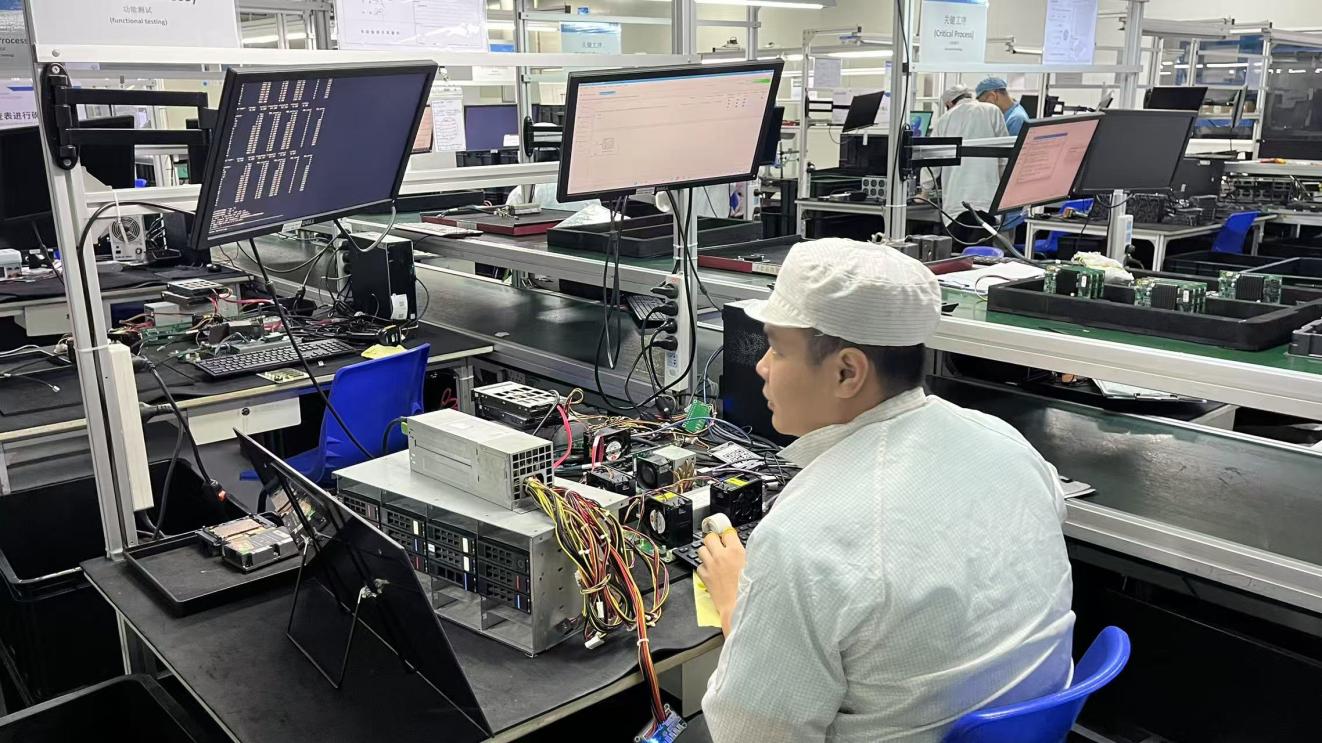
Quality is at the core of everything we do. We operate a comprehensive quality management system supported by 42 dedicated quality control personnel. Every product undergoes strict inspections, including component verification, burn-in testing, thermal performance testing, power stability testing, network validation, and final system performance benchmarking to ensure maximum reliability and performance.
To maintain innovation and technological leadership, we have established strategic partnerships with more than 850 supply chain partners and technology suppliers. Our research and development team consists of 135 experienced engineers focused on server architecture optimization, AI computing solutions, thermal management technologies, and customized hardware integration.
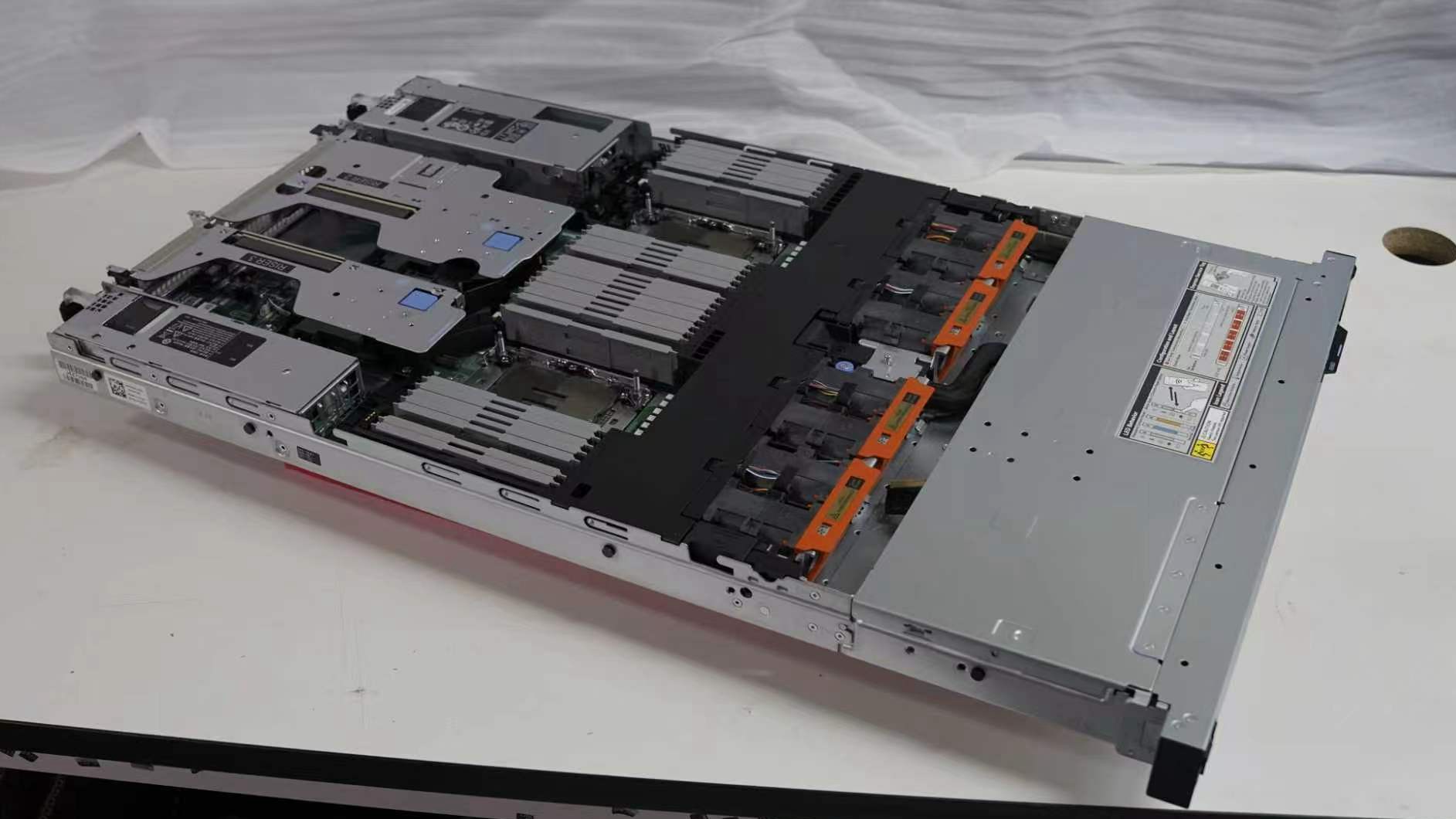
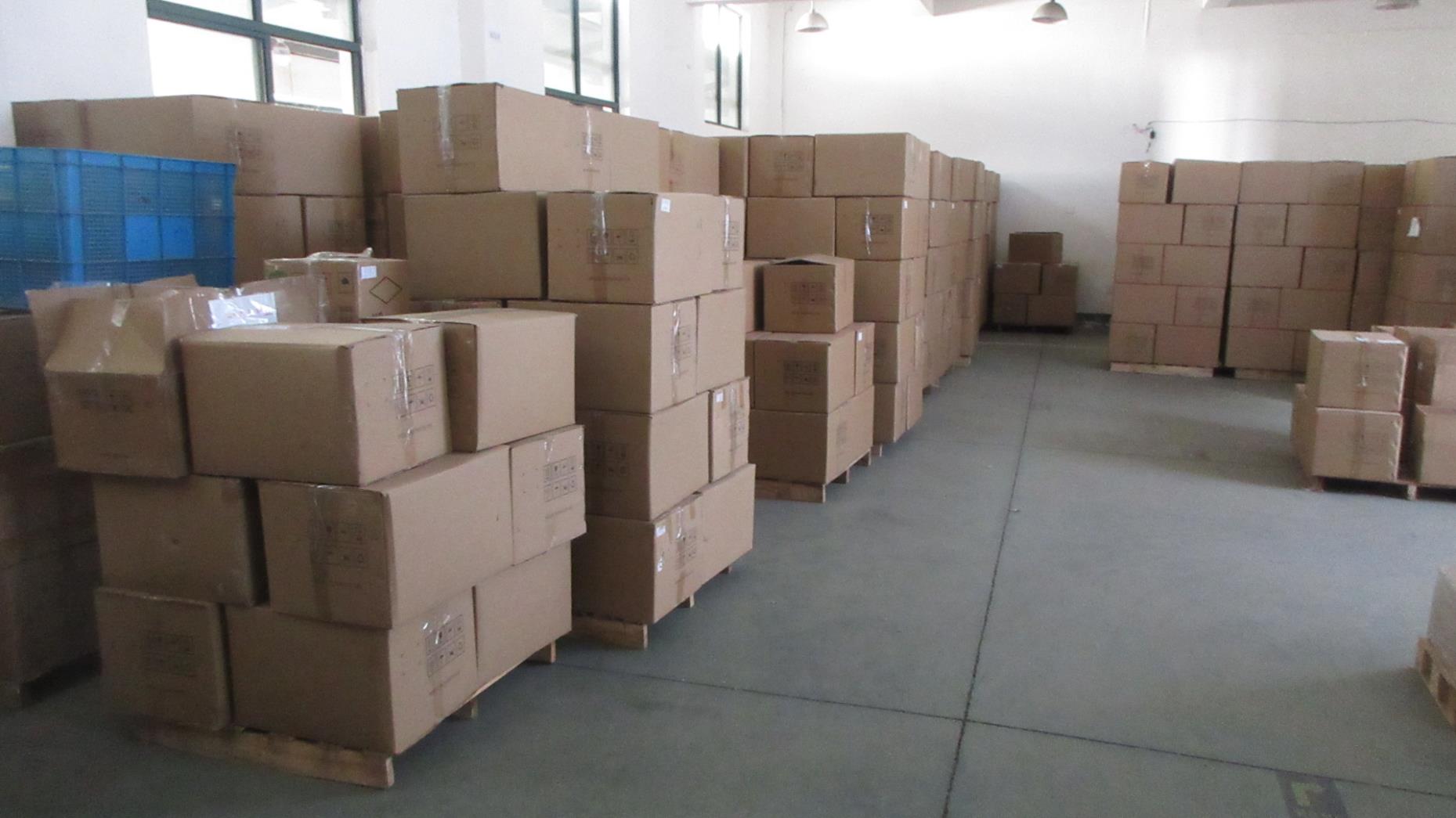
Direct snapshot of our state-of-the-art testing stations, memory storage validation labs, and component inventories.
How our platforms deliver optimized processing throughput across specialized architectural setups.
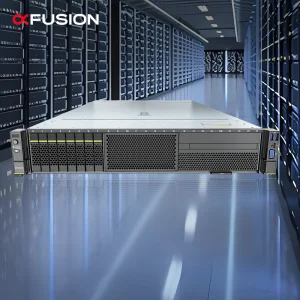
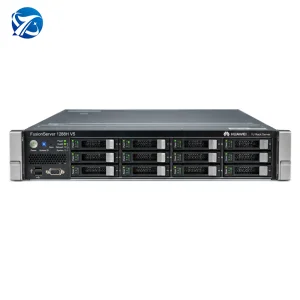
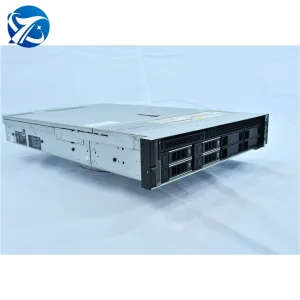
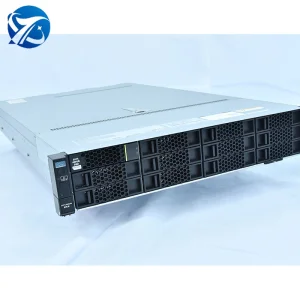
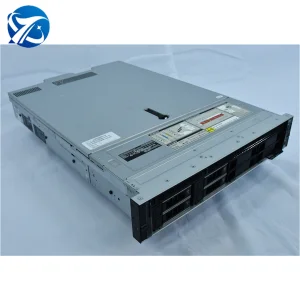
Hyperscale cloud multi-tenant systems require extensive virtual machine scaling. Deploying systems like the xFusion 2288H series offers a cost-effective mix of computing nodes and memory density, avoiding hardware performance exhaustion while retaining a standard 2U cooling layout.
Recommended Nodes: xFusion 2288H V6 / V7Enterprise transactional banking platforms require rapid NVMe/SATA read-write capabilities to eliminate network queues. Deploying hybrid setups paired with high-performance Fibre Channel adapters (FC32) keeps input/output delays at sub-millisecond ranges.
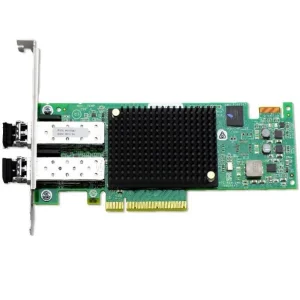
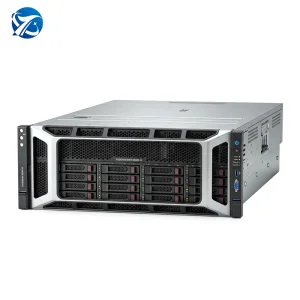
Recommended Tech: Emulex LPe35002-M2 + Enterprise PM897 SSDsAI startups training natural language processing applications need efficient parallelized GPU platforms. Our high-density GPU platforms optimize layout and thermal performance to run continuous deep learning model training processes with minimal risk of throttling.
Recommended System: G5200 V5 AI GPU PlatformStay ahead of global transitions by aligning compute investments with emerging specifications.
Air heat-sinks are reaching physical limits. Direct-to-chip liquid cooling configurations will become standard for setups exceeding 350W TDP per processor. Hardware backplanes must adjust to prevent chemical erosion and ease maintenance.
Connecting compute nodes to pooled physical storage over high-speed optical interfaces like CXL allows dynamic resource assignment, avoiding underutilized storage or memory overheads.
With threat actors targeting system BIOS vulnerabilities, hardware-based roots of trust (RoT) built directly into server chips verify firmware authenticity before releasing system control to hypervisors.
Key technical checkpoints to verify prior to final purchase orders for enterprise deployments.
| Evaluation Matrix | Standard Config Specifications | Mission-Critical Configuration | Key Compliance Parameter |
|---|---|---|---|
| PCIe Link Speed | PCIe Gen 4 (Up to 16 GT/s) | PCIe Gen 5 (Up to 32 GT/s bidirectional) | Crosstalk suppression and signal eye diagram tests |
| Fibre Channel Bandwidth | 16GFC LC Multi-Mode SFP+ | 32GFC/64GFC Auto-negotiation duplex | NVMe over Fibre Channel (FC-NVMe) support validation |
| Solid State Endurance | Read-Intensive (0.8 - 1 DWPD) | Hybrid/Write-Intensive (3+ Drive Writes Per Day) | Power-loss protection (PLP) via internal capacitor arrays |
| Power Efficiency | 80 Plus Gold Certified PSUs | 80 Plus Titanium (Up to 96% energy conversion) | Redundant hot-swap PMBus 1.2 digital telemetry |
Detailed answers addressing component validation, manufacturing schedules, and technical configurations.
Complete your server deployments with GPU accelerators, high-speed storage components, and enterprise servers.