Velorix
Velorix
Velorix
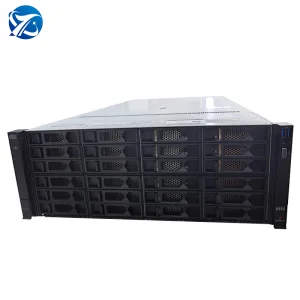
Explore our flagship rack-mount systems engineered for industrial AI workloads, mission-critical databases, and enterprise dedicated hosting.
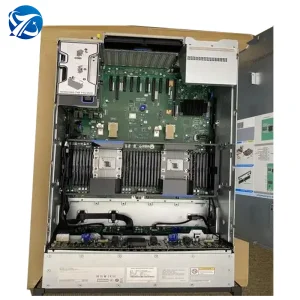
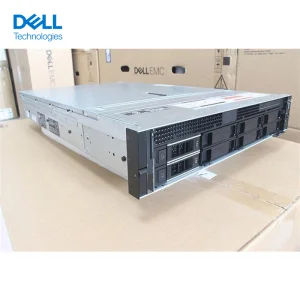
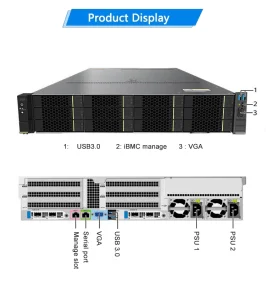
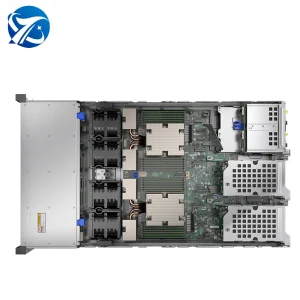
The landscape of enterprise IT infrastructure is undergoing a fundamental structural transition. Driven by the explosive demand for generative AI, large language models (LLMs) like DeepSeek, and real-time deep learning analytics, the market for generic multi-tenant public cloud hosting is shifting toward bare-metal dedicated physical environments. Global corporations and cloud service providers (CSPs) require complete physical separation, consistent input/output performance, and total physical isolation to manage modern dense computational workloads.
Furthermore, local data protection laws (such as GDPR in Europe and CCPA in North America) force multinational enterprises to opt for localized, proprietary server clusters over shared virtualization nodes. The integration of high-bandwidth PCIe Gen5/Gen6 pathways, NVMe storage fabrics, and customized GPU topologies has turned server manufacturing from simple assembly into complex hardware optimization.
Consequently, top-tier system integrators and dedicated hosting manufacturers are called to build tailored server clusters that balance raw computational capacity, network efficiency, thermal management, and power consumption.
How modern procurement teams evaluate hardware manufacturers to minimize Total Cost of Ownership (TCO) and ensure maximum uptime.
Procurement directors demand hardware with verified Mean Time Between Failures (MTBF) and robust hot-swappable components (such as CRPS redundant power supplies and array controller configurations) to guarantee continuous operations.
Every data center has unique layout requirements. From shallow-depth rack systems to custom BIOS and branding, modern procurement hinges on a manufacturer’s capacity to dynamically modify layouts.
Energy represents the highest ongoing expense in dedicated hosting. Intelligent hardware configurations, efficient power conversion units, and advanced internal thermal routing help keep overall datacenter PUE numbers low.
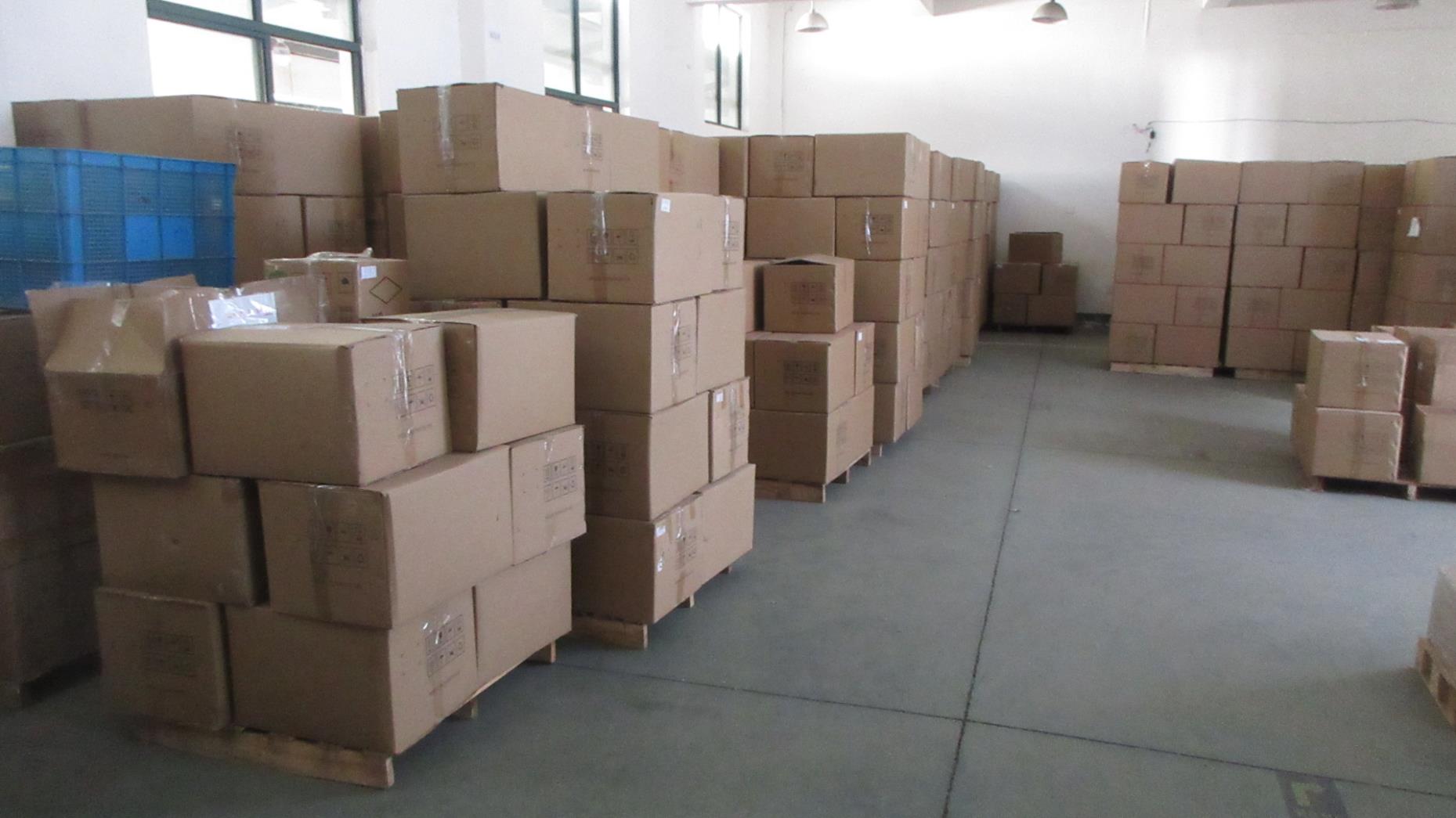
China’s manufacturing ecosystem has evolved from simple assembly facilities to highly integrated smart hubs. At Velorix Intelligent Technology, we combine advanced digital inventory control, automated quality gates, and a deep supply network to offer rapid hardware staging. Located at the heart of global server component logistics, we maintain direct pipelines to key technology fabricators.
The server hardware market regularly faces component shortages, design changes, and logistical issues. Securing a reliable manufacturing partner is essential to keeping projects on schedule.
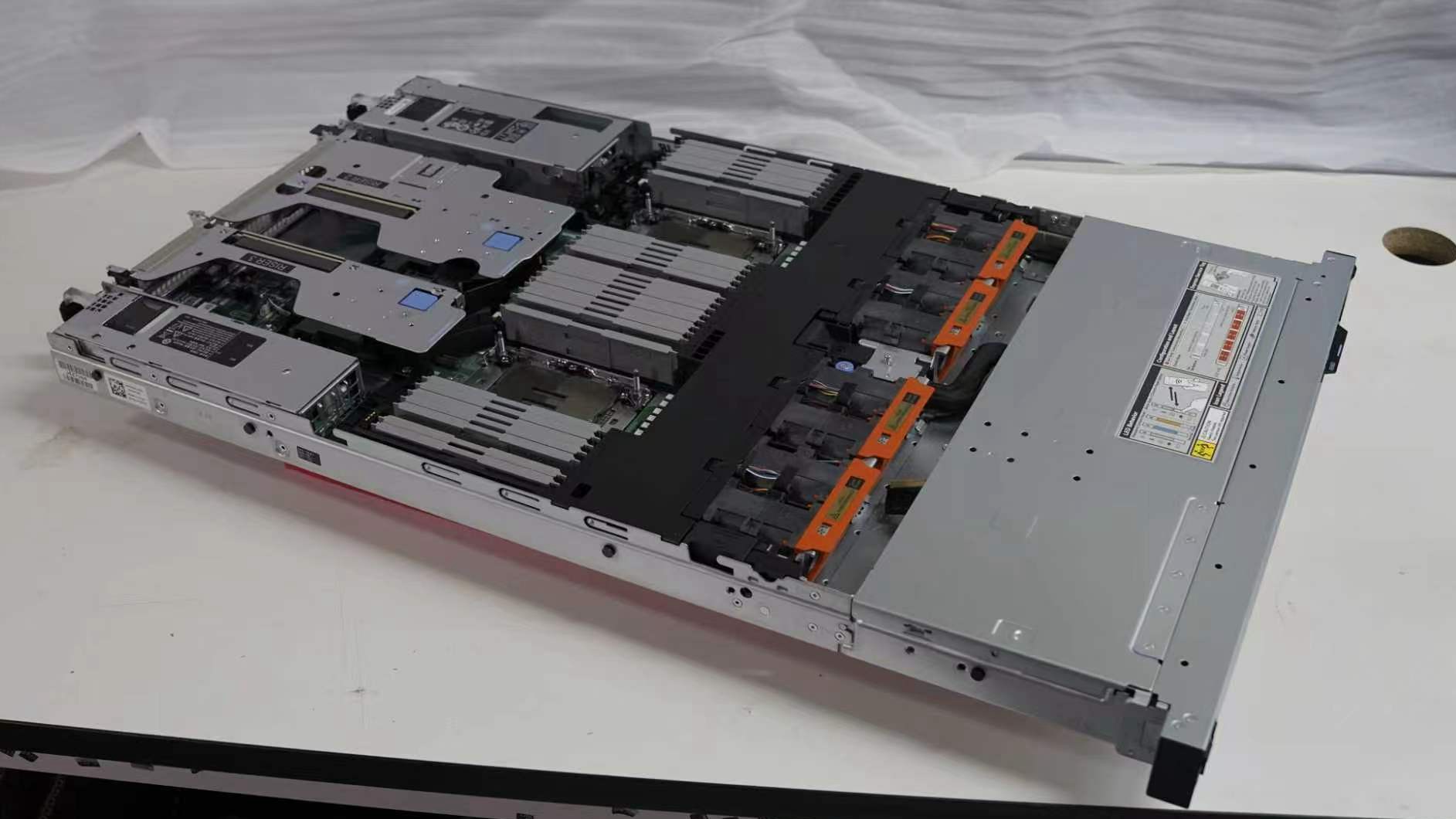
By integrating system design, thermal simulation, component validation, and assembly under one roof, we minimize lead times. Whether you require standard 1U/2U configurations, multi-socket enterprise servers, or GPU-heavy chassis for high-density computing, our production workflows are built to scale.
Our focus on information gain and hardware optimization ensures our platforms deliver stable performance over extended lifecycles.
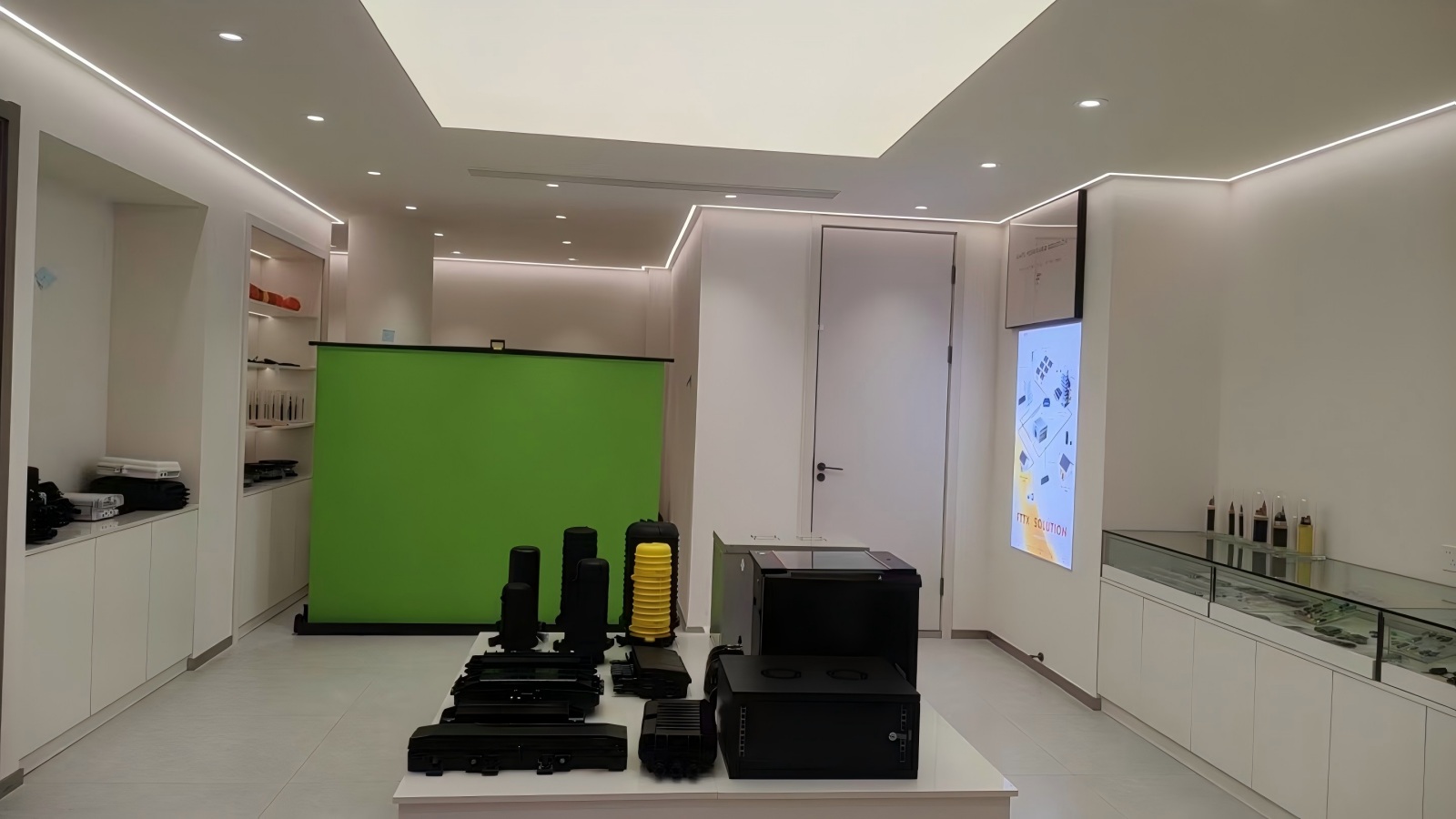
Founded in 2016, Velorix Intelligent Technology Co., Ltd. is a specialized manufacturer of AI GPU servers, high-performance computing systems, GPU clusters, and custom AI hardware infrastructure. With a modern 380㎡ technical integration facility, we engineer computing solutions for deep learning, virtualization, cloud computing, and high-density hosting.
With a decade of industry experience and six years of international trade operations, Velorix delivers advanced rack-mount solutions to customers worldwide. Our annual export operations exceed USD 12 million, reflecting our reliable production standards and global reach.
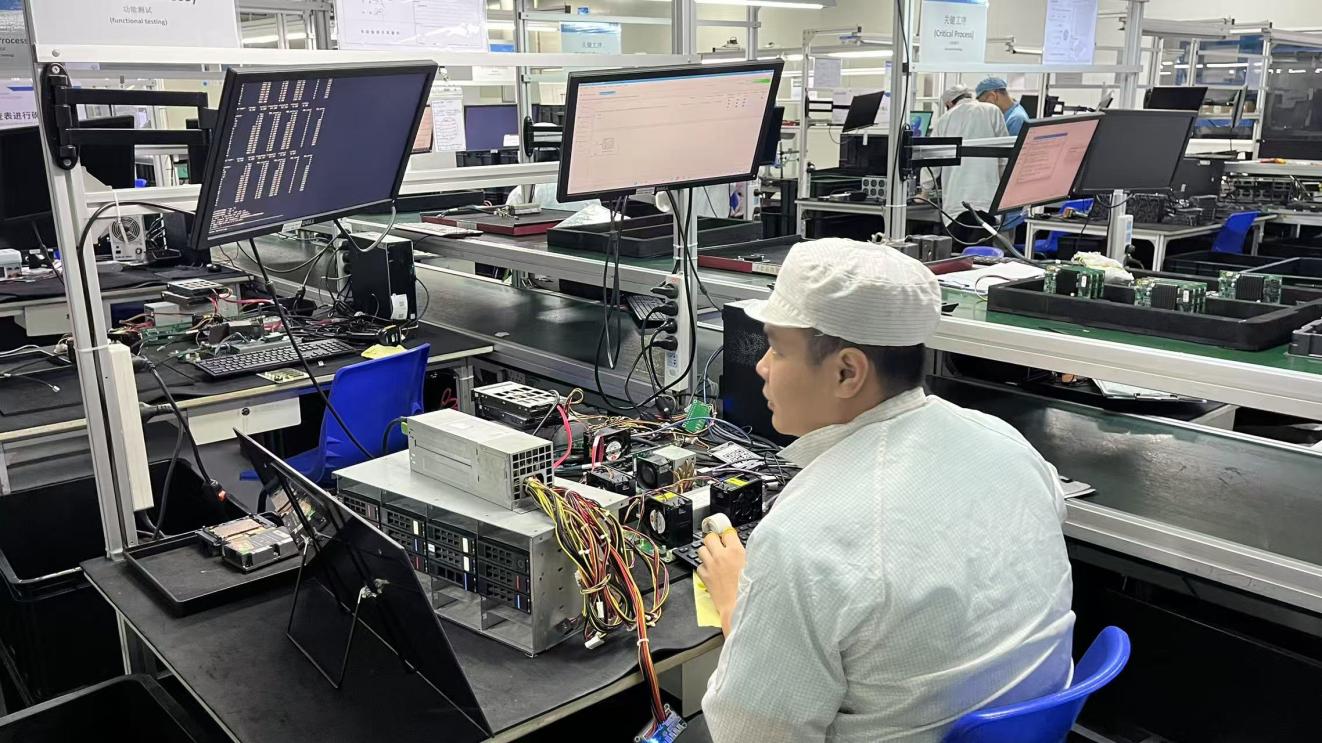
Quality control is foundational to our operations. Our division includes 42 quality assurance specialists who monitor every phase of assembly. Each server undergoes a comprehensive inspection process, including component validation, extended burn-in testing, thermal performance checks, voltage stability tests, and network interface validation.
We partner with over 850 supply chain suppliers, and our team of 135 design engineers focuses on server architecture, cooling optimization, and custom ODM hardware integration.
How global system integrators and service providers deploy our custom platforms in real-world scenarios.
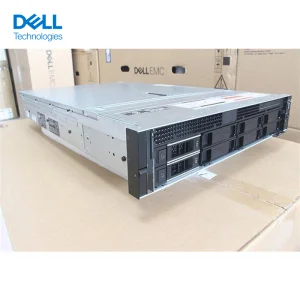
Deploying high-density GPU platforms (such as the G5500 V7 or PowerEdge R750 GPU arrays) to host AI inference engines like DeepSeek, providing high-bandwidth memory access and low-latency storage interfaces.
Integrating fast processing cores with PCIe Gen5 NVMe SSD arrays (including PM9A3 drive arrays) to support large transaction volumes, high-frequency trade routing, and low-latency storage access.
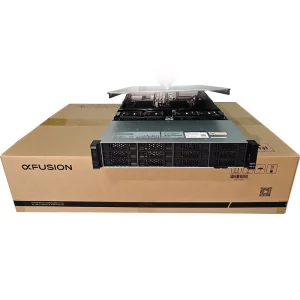
Compact rack server models (like the xFusion 5885H V7 short-depth systems) configured for localized environments, automated assembly lines, smart cities, and edge computing sites.
A server is only as reliable as its individual components. Our engineering process emphasizes balance throughout the system architecture, ensuring that memory bandwidth, storage performance, and CPU processing capability are aligned to prevent processing bottlenecks.
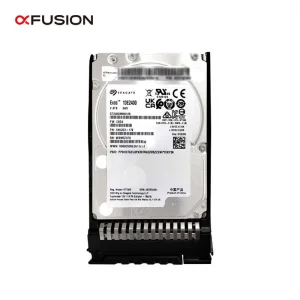
For storage, we utilize advanced PCIe NVMe solid-state drives, such as the PM9A3 series, which offer stable read speeds, high write endurance, and built-in power-loss protection (PLP) for critical enterprise data. Our RAID options include array cards like the XC470C-M-8i, which features a 4GB cache and supports configurations like RAID 0, 1, 5, 6, 10, 50, and 60. This provides flexible storage setup options to balance speed and data redundancy.
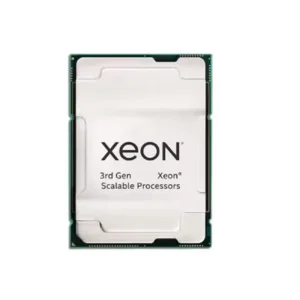
On the processing side, we support scalable Intel Xeon processor families, including the 4300, 5300, and 6300 series. This allows systems to be scaled dynamically based on computational needs, thermal profiles, and budget requirements, ensuring the final hardware matches the workload demands.
CPU Layer: Multi-core Intel Xeon Scalable or custom AMD EPYC platforms for parallel computing.
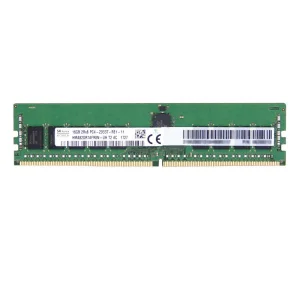
RAM Layer: High-density DDR4 / DDR5 ECC Registered RAM to prevent data corruption during continuous runtimes.
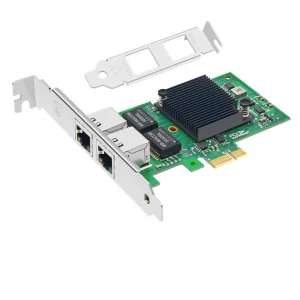
Bus Layer: High-bandwidth PCIe lanes dedicated to high-speed networking and GPU communications.
Storage Fabric: U.2/U.3 NVMe drives combined with high-bandwidth hardware RAID controllers.
Cooling Layout: Balanced, hot-swappable cooling fan arrays designed to route airflow across components and maintain low operating temperatures.
Answers to common questions regarding enterprise hardware procurement, customization options, and logistics support.
Deploy industry-standard GPU systems, storage arrays, and high-performance server components for your dedicated hosting clusters.