Velorix
Velorix
Velorix
High-performance computational engines tailored for Islamabad, Karachi, and Lahore data centers.
An Analytical Review of Sovereign Compute, CPEC Initiatives, and the Transition to Local GPU Clusters
As Pakistan undergoes a massive phase of digitalization, the demand for robust, high-performance IT infrastructure is growing at an unprecedented rate. Driven by the China-Pakistan Economic Corridor (CPEC) digital pathways, private-public partnerships, and the State Bank of Pakistan’s stringent sovereign cloud guidelines, local enterprises, telecom operators, and financial organizations are transitioning from legacy computing to modern high-density server configurations.
The Pakistani market presents unique geographic and operational challenges. Server hardware must not only deliver high computing performance but must also withstand local environments, including high ambient operating temperatures and power grid instabilities. These factors make the selection of servers built for structural redundancy, intelligent thermal regulation, and high energy efficiency critical.
With the Cloud First Policy and SBP data compliance regulations, Pakistani institutions require secure, highly available on-premise rack systems.
Due to load shedding challenges and high power costs, deploying Titanium-rated redundant PSUs reduces operational overhead.
High-density multi-GPU clusters enable localized LLM development and Urdu NLP computing pipelines.
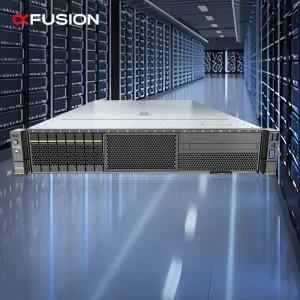
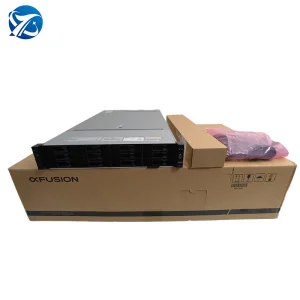
In this digital transformation journey, xFusion FusionServer systems stand out as highly reliable computing platforms. Leveraging advanced cooling systems, high-efficiency architectures, and Intel Xeon/AMD EPYC scalable processors, xFusion provides local companies with the resilience and scale needed to operate reliable modern cloud architectures.
How modern xFusion Multi-GPU servers are redefining artificial intelligence in South Asia
Global artificial intelligence models, such as the open-source DeepSeek R1 model family, have decentralized LLM (Large Language Model) deployment. Rather than relying entirely on remote cloud APIs with high latency, enterprises in Pakistan are setting up their own local computing environments. By retaining sensitive customer information within local hardware configurations, this strategy helps satisfy local regulatory requirements.
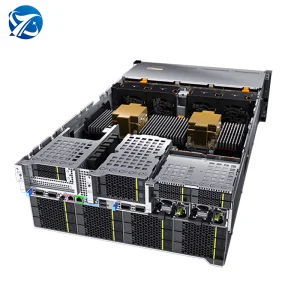
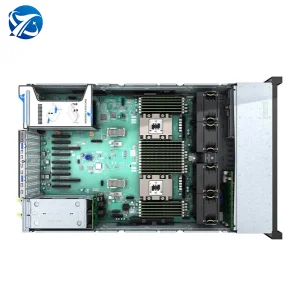
However, running deep learning models requires robust hardware configurations. Systems like the **xFusion G5500 V7 Multi-GPU AI Server** are designed to handle these intensive workloads. Supporting up to 8 dual-slot GPU accelerators, PCIe Gen 5 interconnects, and DDR5 system memory, this system provides the high data bandwidth necessary to process large AI workloads without encountering performance bottlenecks.
To help regional enterprises deploy these solutions efficiently, Velorix offers end-to-end integration and configuration services. By adjusting component configurations (e.g., PCIe GPU switches, high-performance NVMe SSDs, and optical network interfaces) to match specific localized application requirements, we help optimize systems for diverse operating environments.
Understanding the technical specifications of next-generation xFusion server architectures
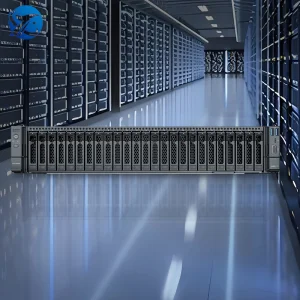
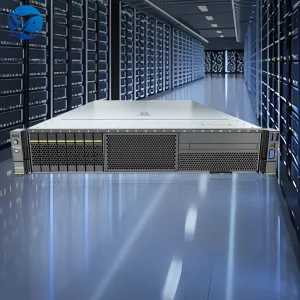
Equipped with 3rd Gen Intel Xeon Scalable Processors (Ice Lake), DDR4 memory operating at 3200 MT/s, and PCIe Gen 4 connectivity. The V6 series, including the 2288H V6, remains a cost-effective, dependable choice for enterprise application hosting, high-density hyperconverged databases, and virtualization platforms across Pakistan's business sectors.
Powered by 4th and 5th Gen Intel Xeon Scalable Processors or AMD EPYC 9004 Series. Supports high-speed DDR5 memory, PCIe Gen 5 expansion buses, and NVMe-over-Fabrics storage configurations. Engineered specifically for complex AI processing, DeepSeek R1 models, and large-scale data analytics pipelines.
Targeted server configurations addressing local industry requirements
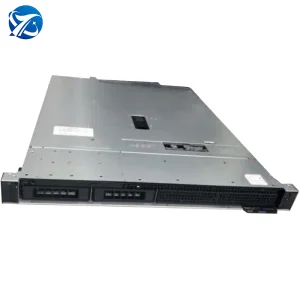
Deploying high-density 1U/2U rack servers like the FusionServer 2288H V6 at edge locations across Pakistan enables low-latency media streaming, packet inspection, and localized network virtualization.
Designed for core transactional processing and high-availability databases. Integrating systems with 4-Socket servers like the 2488H V5/V7 provides the processing power and redundancy needed to help prevent unexpected operational downtime.
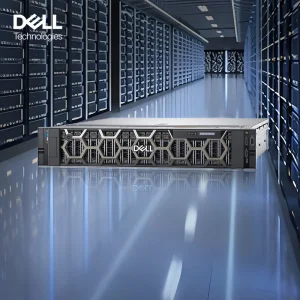
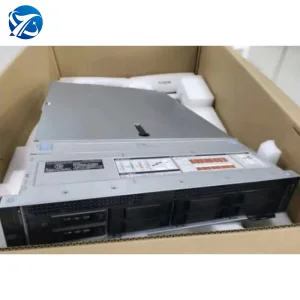
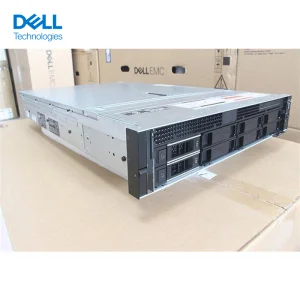
Building hybrid cloud systems with AMD EPYC-based Dell PowerEdge or xFusion multi-core racks helps local service providers maximize compute density while managing physical floor space constraints.
How Velorix ensures server stability and performance before worldwide export shipment
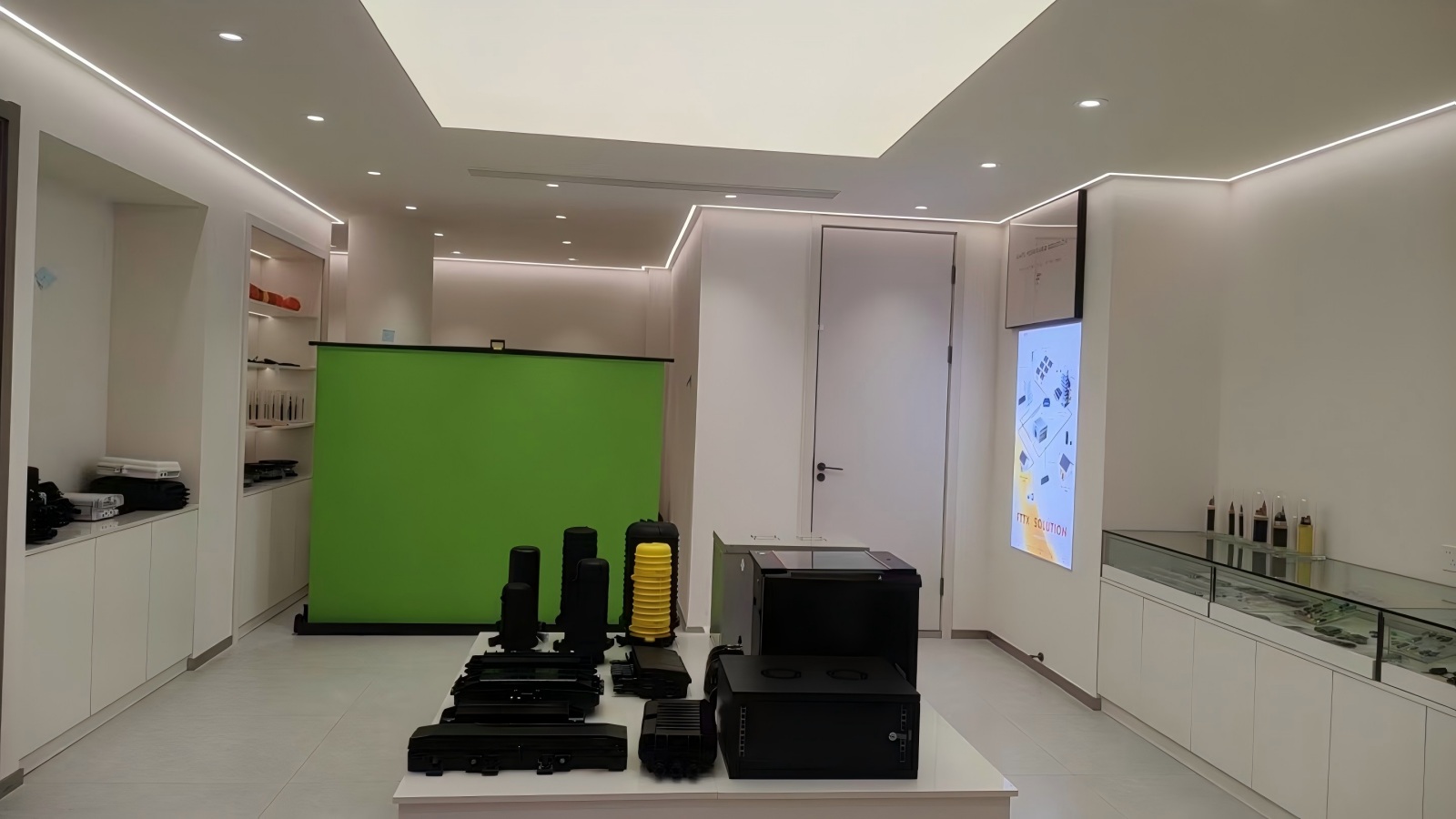
Founded in 2016, Velorix Intelligent Technology Co., Ltd. operates a modern 380㎡ production facility. Here, we build custom AI GPU servers, GPU clusters, and high-performance rackmount computing configurations designed to handle demanding workloads.
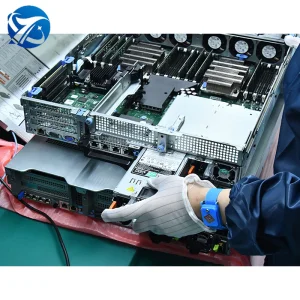
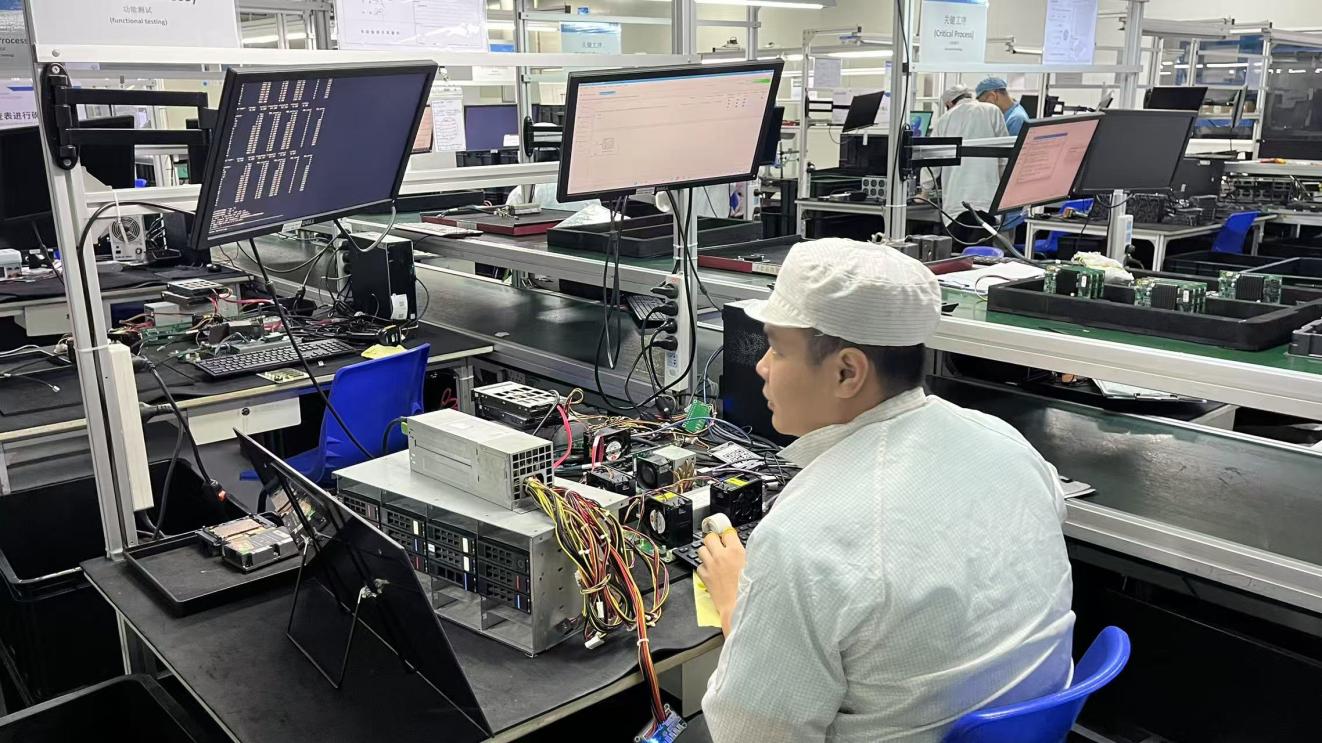
To help ensure system reliability in hot or variable environments, every server undergoes a strict quality assurance process. With 42 quality control team members managing our testing protocols, each component is fully verified before final delivery.
Initial testing of all CPU packages, RAM modules, GPUs, and motherboards to confirm exact specifications.
We operate system components at high workloads in temperature-controlled chambers to verify thermal management performance.
Full stress testing of physical 10G/25G/100G interfaces to ensure continuous, high-speed data transmission.
We run hardware configurations at full capacity for 72 hours to ensure long-term physical stability.
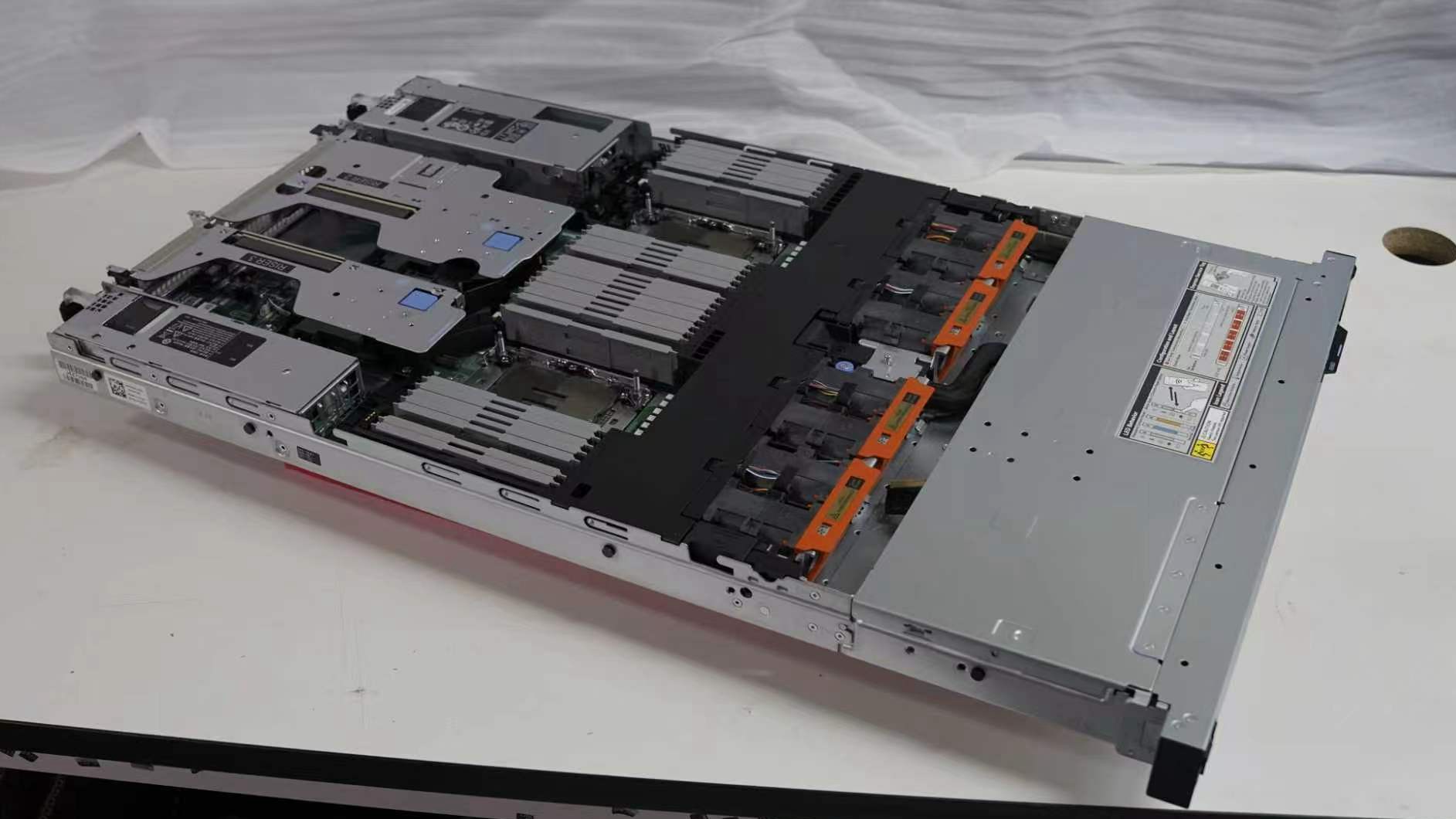
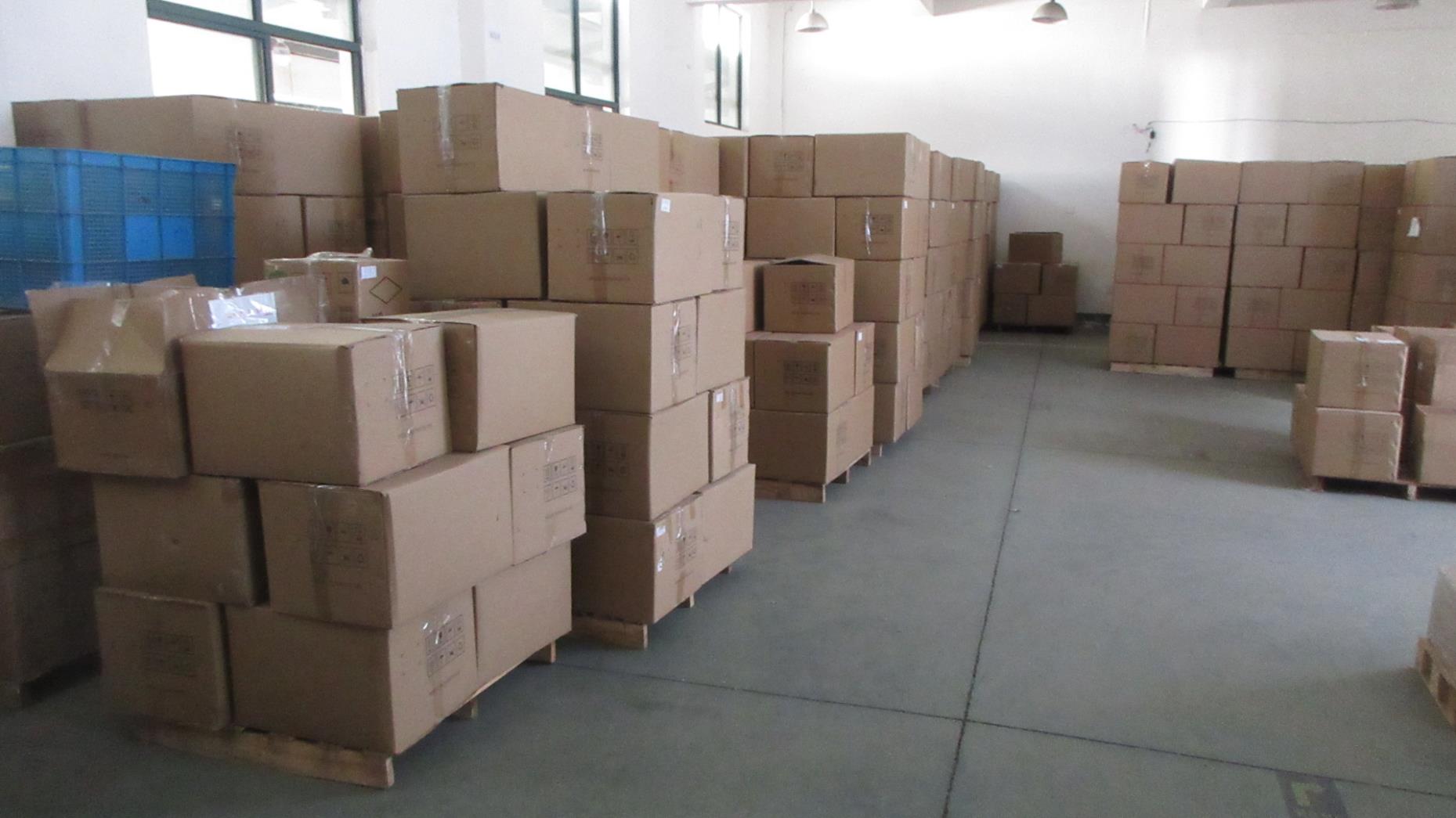
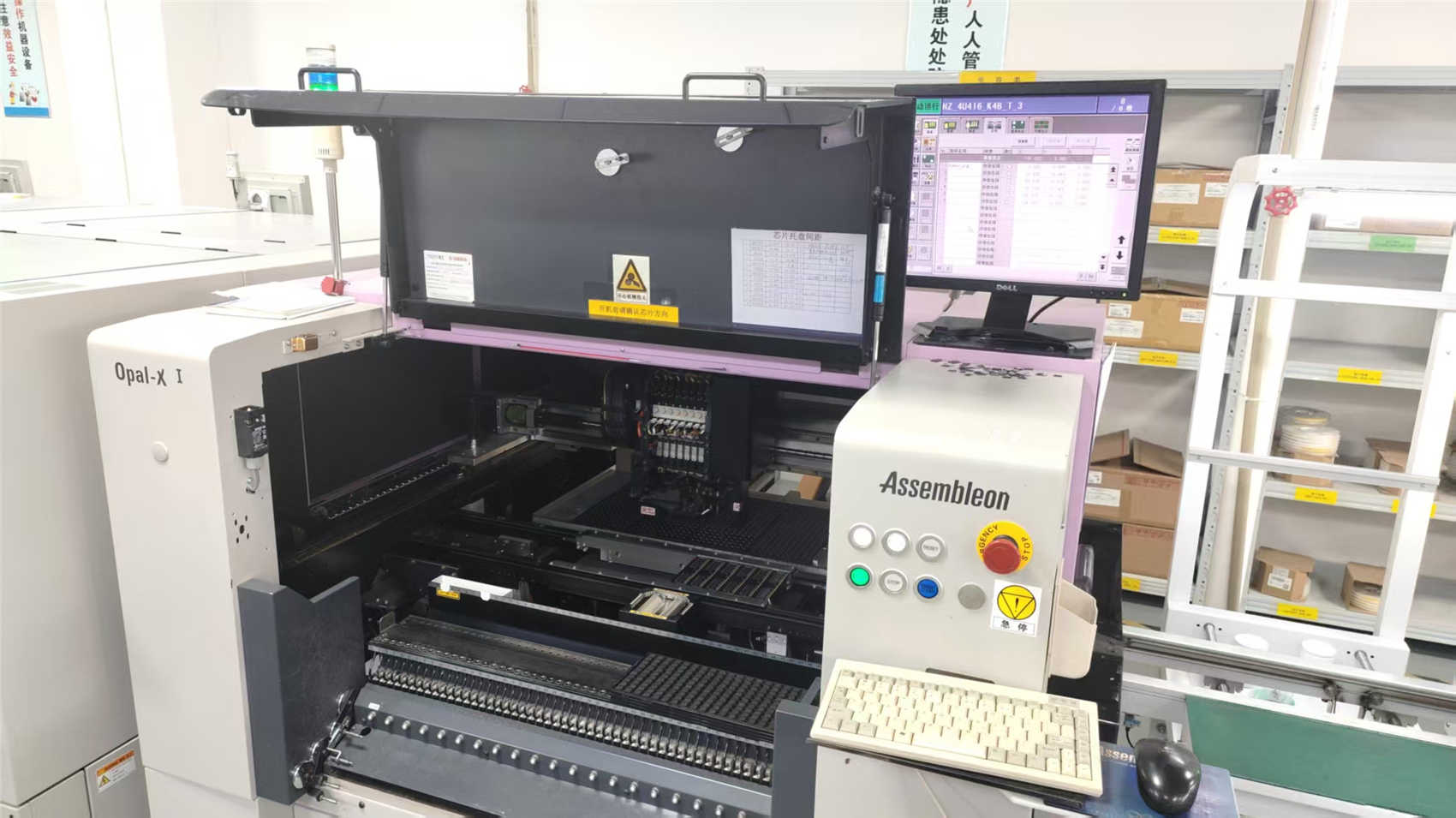
Review our full range of xFusion, FusionServer, and Dell PowerEdge systems ready for export to Pakistan.
Expert insights regarding importation, deployment, and server configurations for Pakistan
Connect with our R&D engineers to design customized server, storage, or AI GPU cluster configurations for your next project.