Velorix
Velorix
Velorix
Explore our premium tier of compute nodes, data storage systems, and components tailored for cloud and AI optimization.
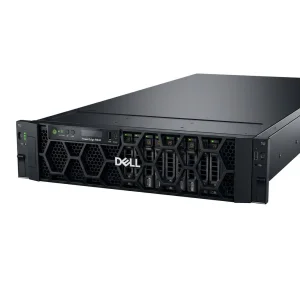
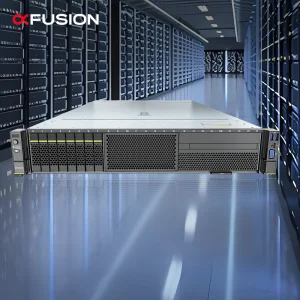
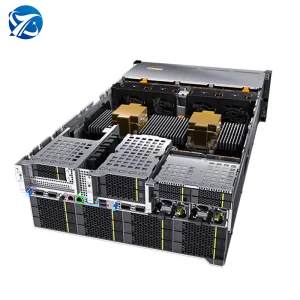
How Modern Architectures Support Demanding Datacenter Ecosystems
The global enterprise computing landscape is undergoing a critical transformation. As workloads migrate from legacy virtualization models to AI-driven microservices, high-density computing platforms have evolved. Within this context, V5, V6, and V7 server architectures act as foundational hardware layers, supporting massive throughput and highly efficient virtualization environments. Enterprise architectures now require more than raw clock speeds. Today’s requirements focus on system balanced operations—optimizing thermal design power (TDP), minimizing physical footprint, and ensuring deep bus level compatibility with components like high-performance SAS/NVMe RAID controllers.
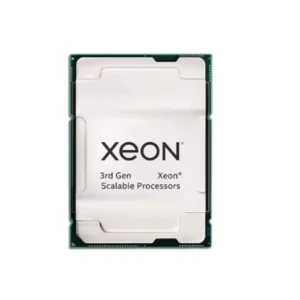
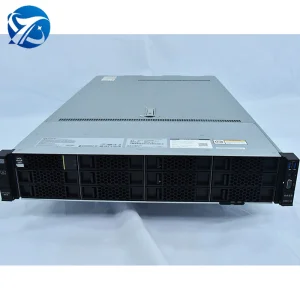
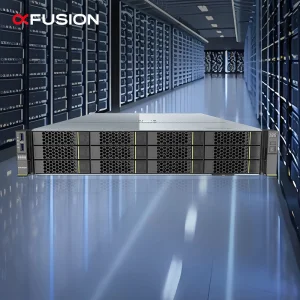
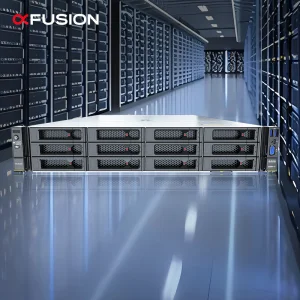
For instance, systems like the *FusionServer 5288 V6* and the newer *xFusion 2288H V7* are designed to resolve traditional compute bottlenecks. By integrating advanced Intel Xeon Scalable Processors, these architectures improve memory bandwidth and increase the available PCIe lanes. Additionally, they incorporate hardware-level security, such as Root of Trust (RoT), to safeguard tenant data in multi-tenant environments.
Key technological dynamics transforming modern hyperscale and enterprise systems.
Modern applications require servers to support CPUs and GPUs simultaneously. Heterogeneous V6/V7 architectures integrate multiple GPU cards with custom interconnects to support AI workloads.
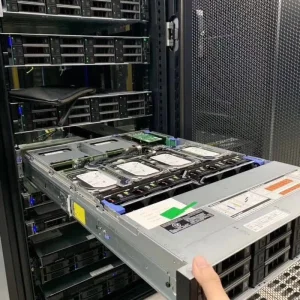
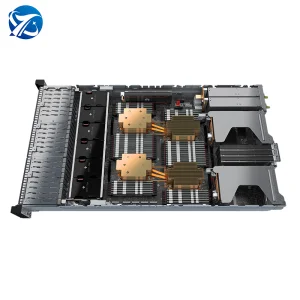
As chip TDP reaches 350W and beyond, manufacturers rely on hybrid cooling solutions, such as 2U heat pipe heat sinks and direct-to-chip liquid cooling loops, to maintain performance.
The transition from legacy V5 platforms to V6 and V7 designs leverages CXL protocol support. This enables memory pooling and device-to-device cache coherency across server components.
Procuring cloud infrastructure is a complex process. Enterprises must manage hardware-software compatibility alongside long-term component availability and strict quality control standards.
Hyperscale datacenters evaluate suppliers using a metrics-driven approach:
Tailored server hardware configurations optimized for key vertical industries.
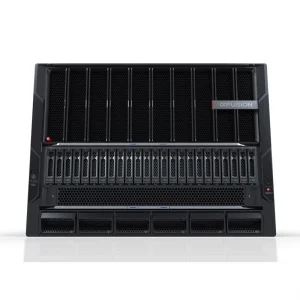
Configured with 8U architectures such as the *xFusion G8600 V7*, these systems deliver the GPU count and massive thermal headroom needed for large language model (LLM) training and inference.
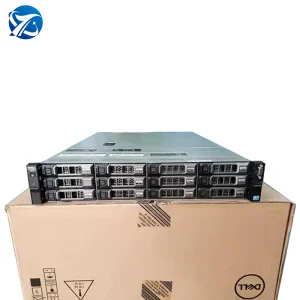
Balanced computing units like the 1U/2U *PowerEdge R670* and *R660XS* support dense virtualization deployments, helping organizations lower physical space and power costs.
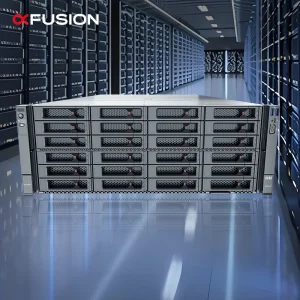
Using SAS controllers and hybrid NVMe architectures, systems like the *FusionServer 5288 V7* manage massive write volumes for data-intensive application environments.
A Professional Manufacturer of AI GPU Servers, High-Performance Computing Systems, and Tailored Cloud Infrastructure.
Founded in 2016, Velorix Intelligent Technology Co., Ltd. is a professional manufacturer specializing in AI GPU servers, high-performance computing systems, GPU clusters, and customized AI infrastructure solutions. With a modern production facility covering 380㎡, we provide reliable and scalable computing platforms for AI training, AI inference, deep learning, cloud computing, and data center applications.
Leveraging 10 years of industry experience and 6 years of export experience, Velorix has successfully delivered advanced GPU server solutions to customers worldwide. Our annual export revenue exceeds USD 12 million, reflecting our strong manufacturing capabilities and growing global presence.
Quality is at the core of everything we do. We operate a comprehensive quality management system supported by 42 dedicated quality control personnel. Every product undergoes strict inspections, including component verification, burn-in testing, thermal performance testing, power stability testing, network validation, and final system performance benchmarking to ensure maximum reliability and performance.
As a manufacturer with integrated production and international trading capabilities, Velorix serves customers across North America, Europe, the Middle East, Southeast Asia, and Oceania. Our products are widely used by AI startups, research institutions, cloud service providers, system integrators, enterprise data centers, and HPC solution providers.
To maintain innovation and technological leadership, we have established strategic partnerships with more than 850 supply chain partners and technology suppliers. Our research and development team consists of 135 experienced engineers focused on server architecture optimization, AI computing solutions, thermal management technologies, and customized hardware integration.
Velorix offers comprehensive OEM and ODM services, enabling customers to customize GPU configurations, CPU platforms, memory capacity, storage architecture, networking solutions, rack integration, branding, and software deployment according to project requirements. Our strong R&D capability allows us to rapidly transform customer concepts into market-ready solutions. Last year alone, we launched 168 new products and solution variants to meet the rapidly evolving demands of the AI and high-performance computing industry.
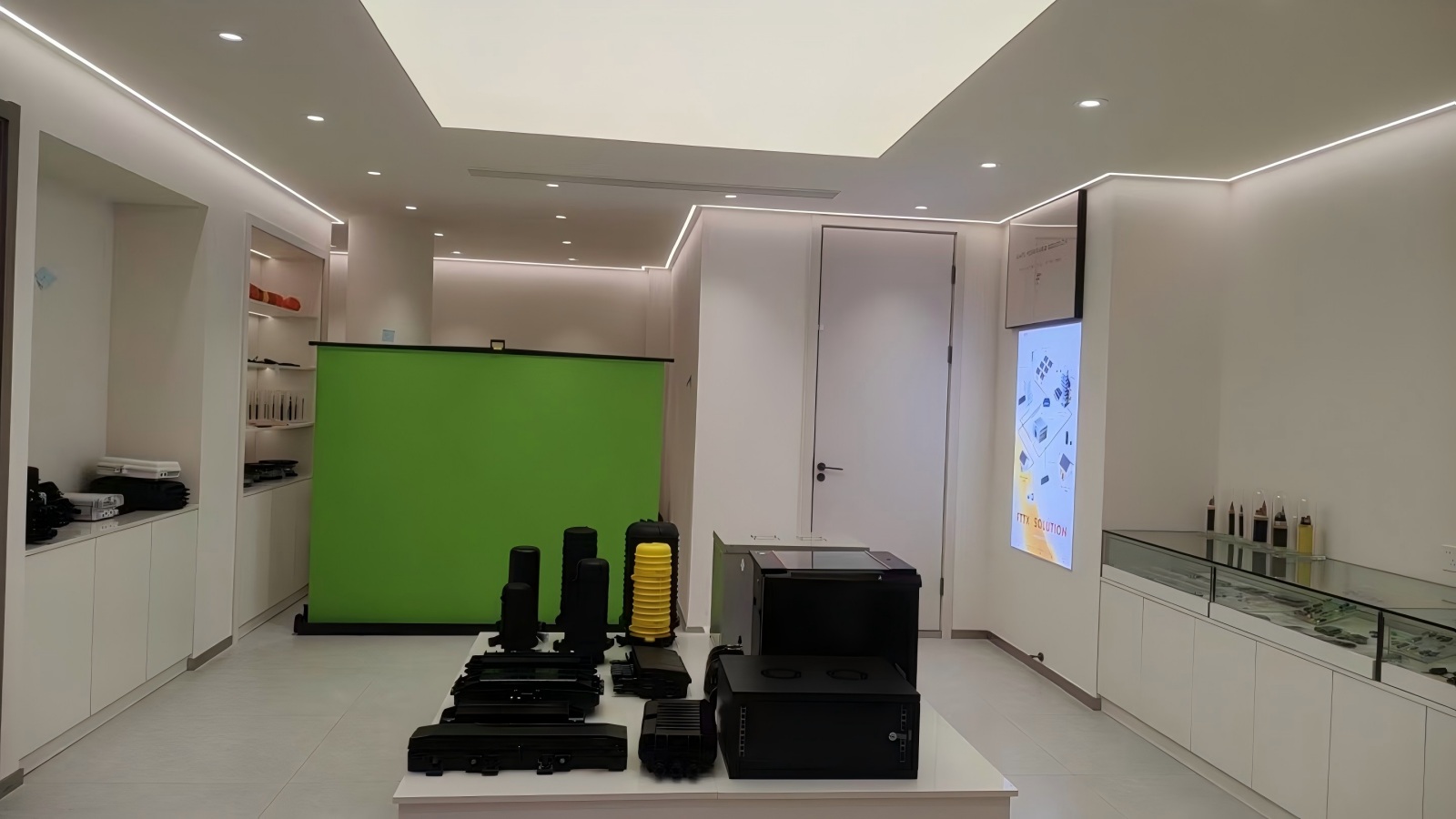
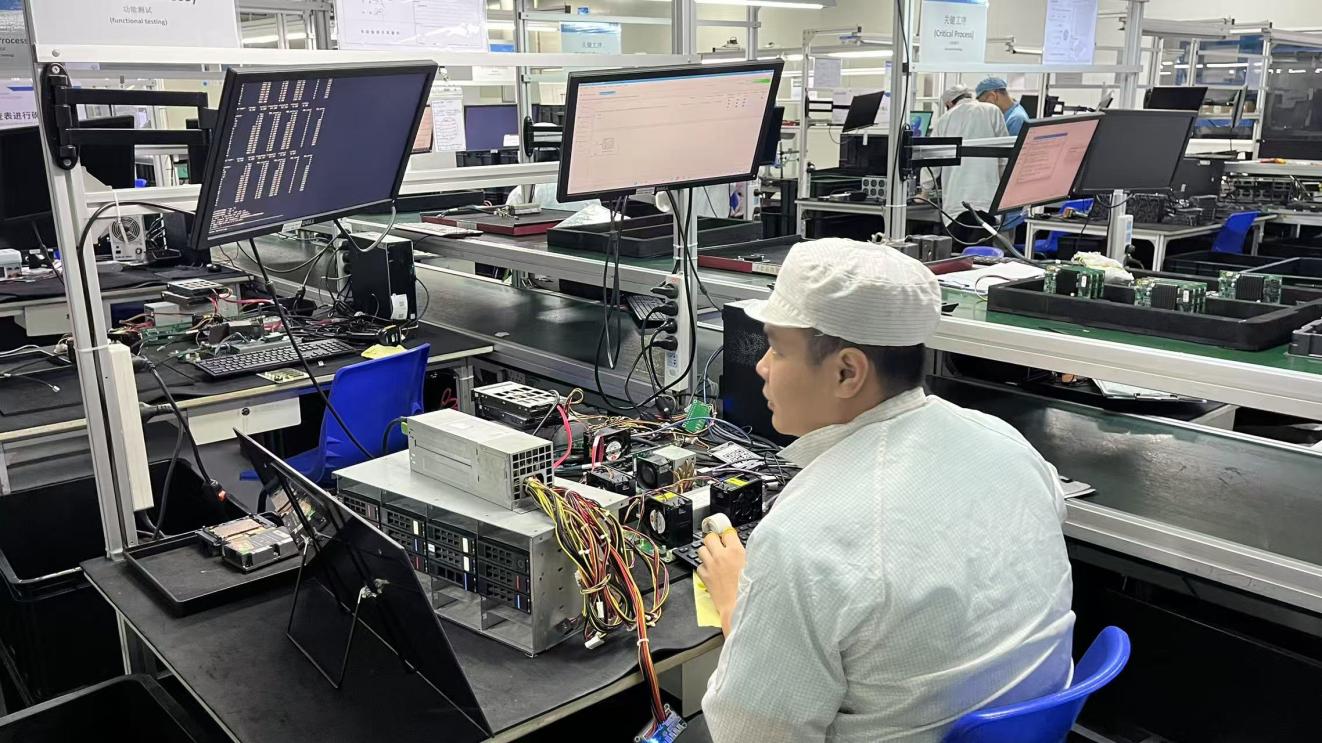
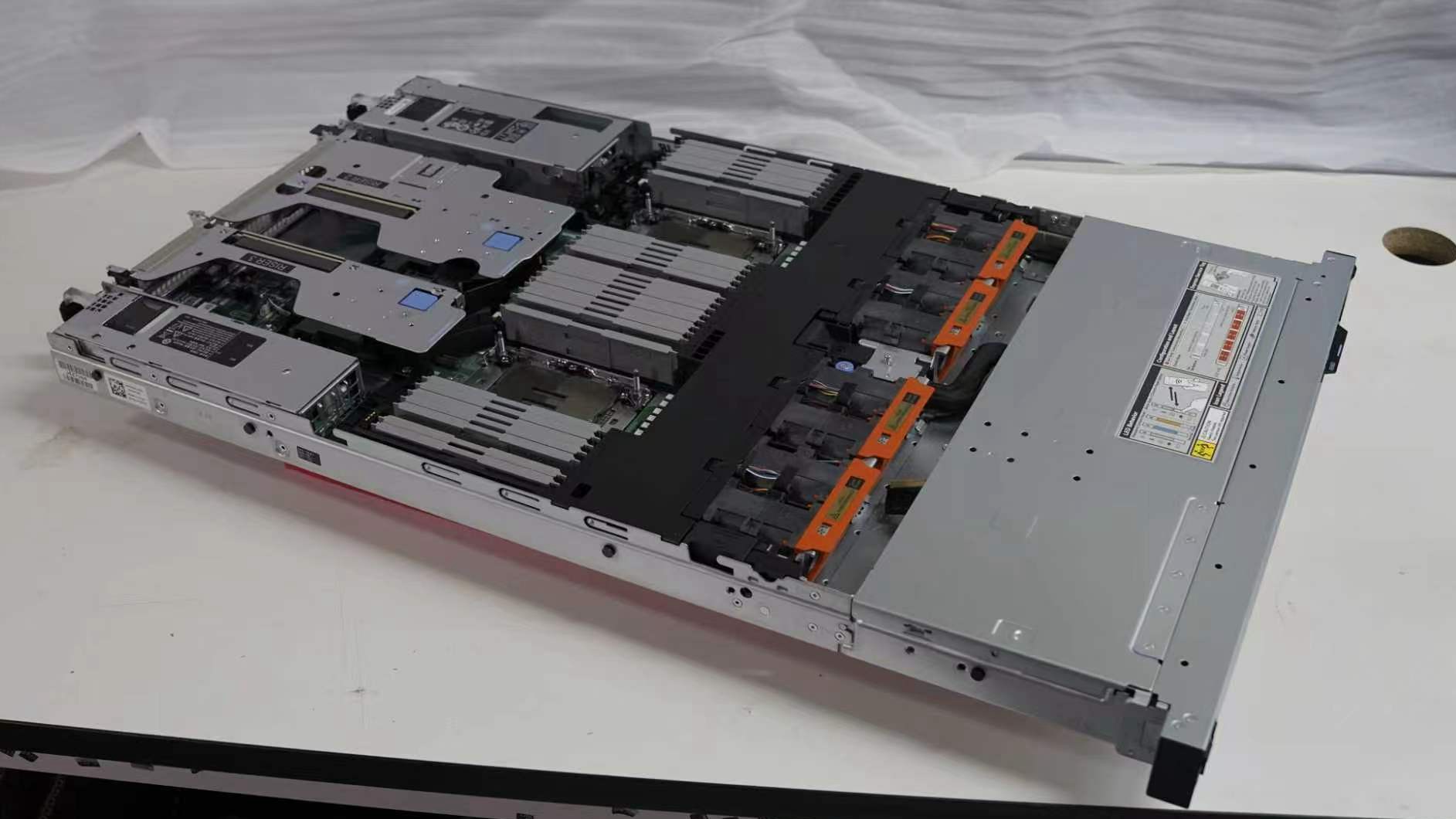
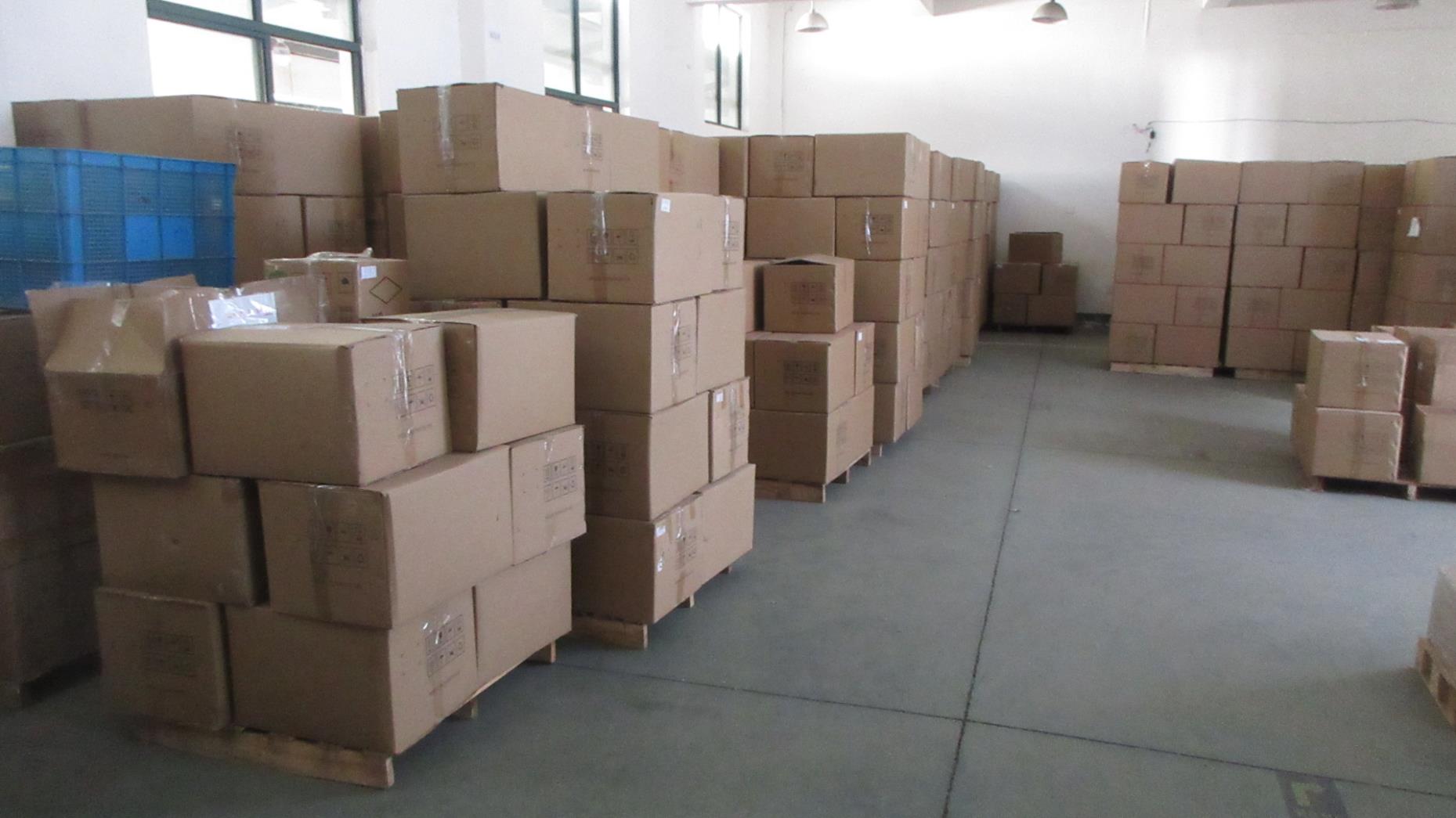
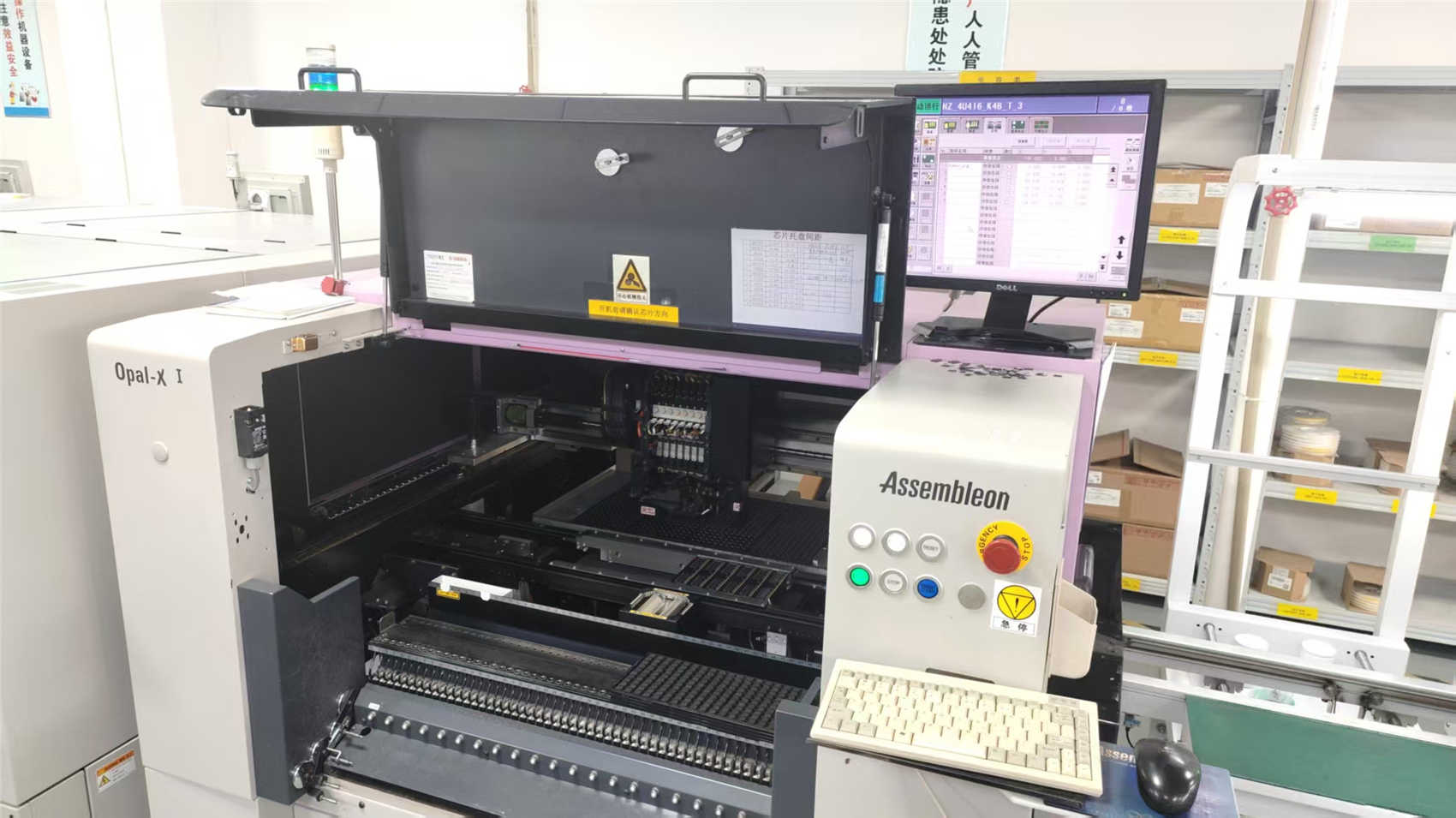
Enterprise cloud platforms require strict regulatory compliance. All Velorix assemblies adhere to safety and electromagnetic standards like FCC and CE. Our products undergo rigorous testing before shipping, ensuring they arrive ready for installation in major Western, Middle Eastern, and Asian data centers.
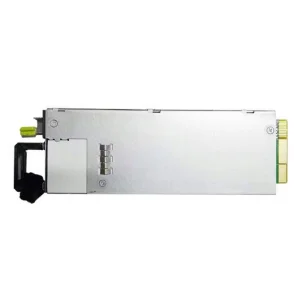
With over 850 verified supply chain partners, Velorix ensures consistent component access. We mitigate supply chain disruptions by sourcing key components—from PCIe 4.0 RAID controller cards to original server power supply units (such as the HVDC1500WB PSU)—from multiple reliable channels.
Navigating the transition to PCIe 6.0, CXL, and Next-Generation Liquid Cooling.
As computing requirements evolve, modern cloud infrastructure must keep pace. Velorix's engineering roadmap focuses on transitioning from V5 and V6 server architectures to high-density PCIe Gen 5 and future Gen 6 platforms. This transition is essential for processing workloads like large-scale artificial intelligence models and high-throughput real-time analytical databases.
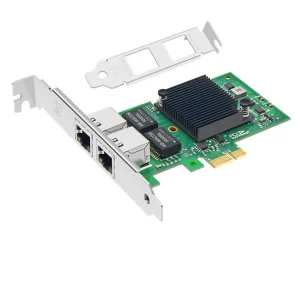
While PCIe 4.0 (integrated into systems like the *9540-8i RAID SAS Controller*) remains a reliable option for standard storage arrays, modern high-density workloads require the expanded bandwidth of PCIe 5.0 and 6.0. These newer standards double data transfer speeds, which helps reduce throughput bottlenecks between the CPU, system memory, and high-performance network interface cards (NICs).
Our upcoming V7 and V8 server architectures leverage Compute Express Link (CXL) technology. This protocol helps reduce latency and optimize resources by allowing CPUs and accelerators to share system memory pools, lowering hardware acquisition costs and improving resource utilization.
Get answers to common technical, procurement, and deployment questions.
1. What are the key differences between V5, V6, and V7 architectures?
Each generation represents updates to CPU, memory, and data bus technologies. V5 systems generally utilize DDR4 memory and PCIe 3.0 interfaces. V6 platforms transition to PCIe 4.0 and newer processors, while V7 and V8 systems introduce PCIe 5.0, DDR5 memory, and support for CXL protocols, providing the bandwidth needed for high-speed network connections and AI acceleration.
2. Does Velorix support customized OEM and ODM services?
Yes. Velorix provides complete OEM and ODM services. Customers can specify hardware components, including CPU configurations, storage types (NVMe/SAS/SATA), memory capacity, network interfaces, power supplies, and customized branding. Our team of 135 R&D engineers supports customization projects from initial concept through prototype testing to final production.
3. How does Velorix ensure the reliability of its server hardware?
Our quality control process is managed by 42 dedicated specialists. Each server undergoes a series of quality checks, including incoming component validation, continuous burn-in testing, thermal performance checks, power stability tests, and final system benchmarking under full simulation loads.
4. What shipping options and compliance certifications are available for international orders?
We regularly ship systems to North America, Europe, the Middle East, and Asia. Our products carry CE, FCC, and RoHS certifications, and we package all orders in protective, anti-static materials designed to withstand long-distance transit. We also work with global logistics partners to simplify customs clearance processes.
Browse our catalog of network servers, GPU configurations, and high-performance processing components.