Velorix
Velorix
Velorix
Enterprise-grade server platforms engineered for high-density computing, hybrid virtualization, and robust AI data workloads.
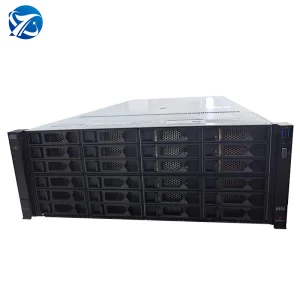
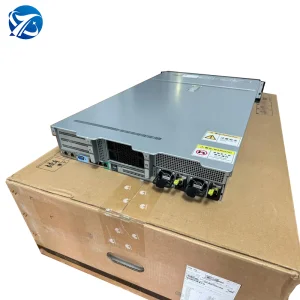
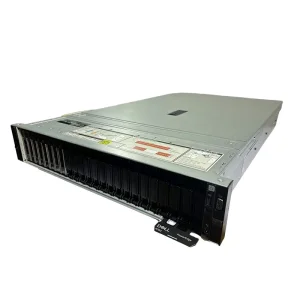
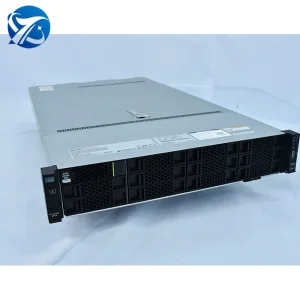
Analyzing the performance matrices, high-speed interconnects, and compute scaling architectures of next-generation hardware pipelines.
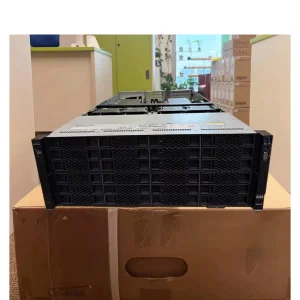
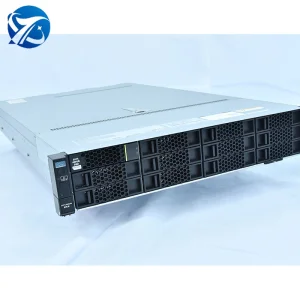
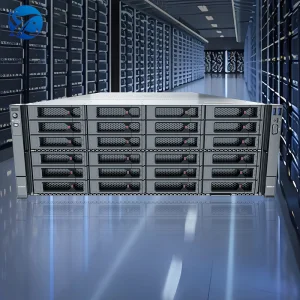
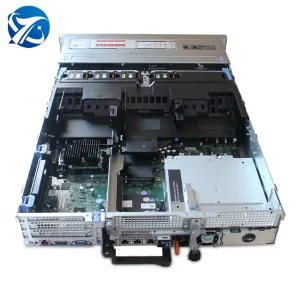
The transition to the V7 server architecture represents a paradigm shift in how global data centers handle heterogeneous computing workloads. Built upon the foundation of high-speed system buses, advanced heat dissipation configurations, and modular compute nodes, modern V7 systems—such as the FusionServer G5200 V7 and 5288 V7—are designed specifically to address the extreme performance requirements of Artificial Intelligence (AI) model training, deep learning inference (such as DeepSeek and LLaMA pipelines), and large-scale cloud-native databases.
"By implementing PCIe Gen 5 topologies, DDR5 memory subsystems, and Compute Express Link (CXL) protocols, V7 servers deliver up to a 50% decrease in latency and a 2x increase in throughput compared to the previous legacy platforms."
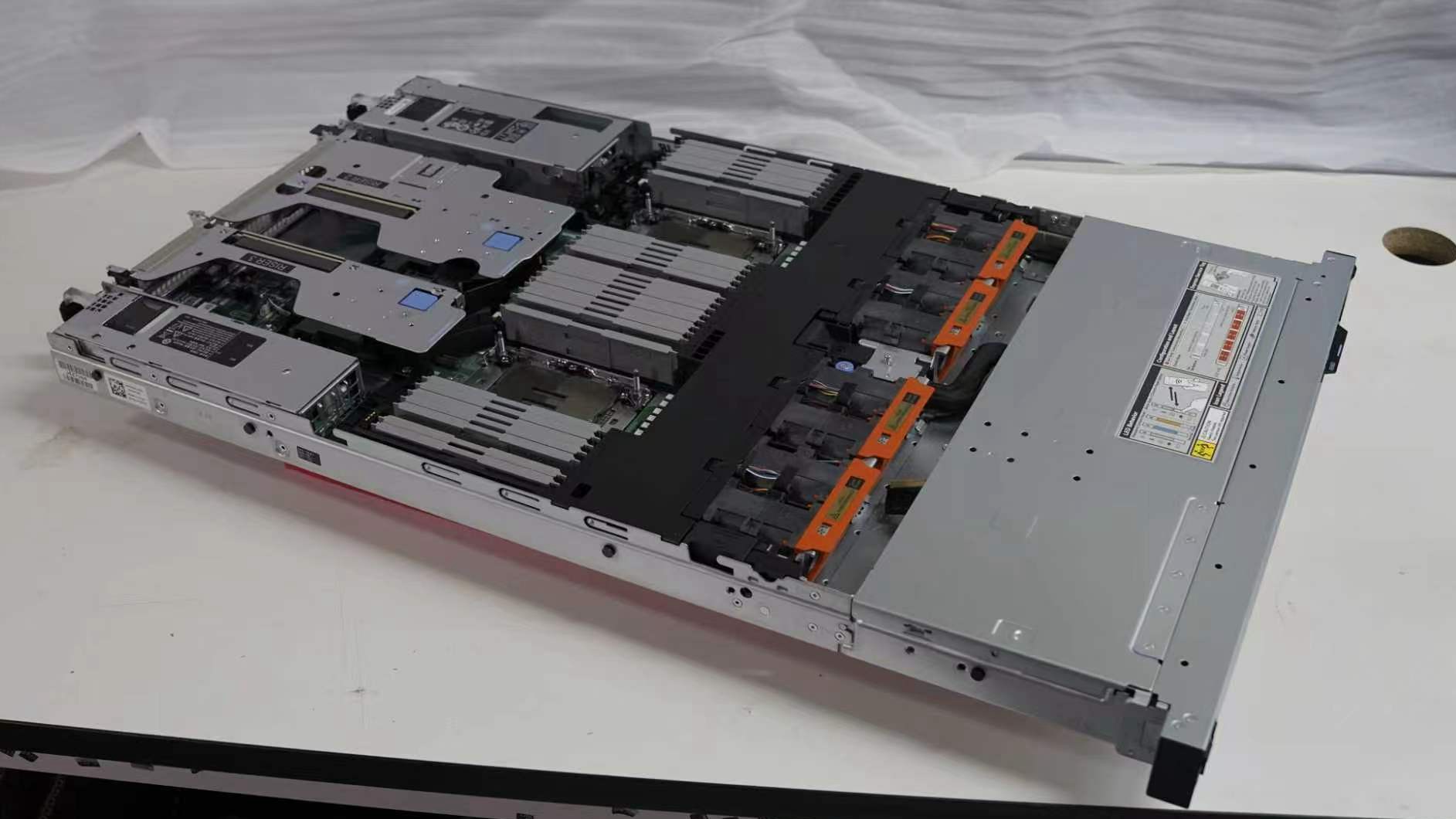
At the heart of V7 server systems lies the support for multi-core processing units featuring advanced instruction sets like Intel® Advanced Matrix Extensions (AMX). This technology dramatically accelerates deep learning workloads directly on the CPU, making it a critical asset for workflows that require real-time processing. V7 systems balance this processing power by incorporating dense GPU configurations in systems like the FusionServer G5200 V7 and 5288 V7, providing an optimized environment where data flows seamlessly between the host CPU and high-performance PCIe accelerator cards.
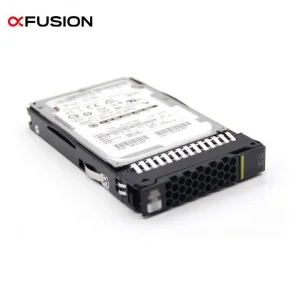
The implementation of full PCIe Gen 5 architectures doubles the system bandwidth to 32 GT/s per lane. This ensures that massive datasets can be streamed continuously to high-density GPU clusters without hitting performance bottlenecks. Furthermore, storage solutions utilize PCIe Gen 5 NVMe SSDs configured in hot-swappable arrays, alongside robust SATA options like the PM897 Hybrid series. These SSD configurations deliver the sub-millisecond access times and high read-write endurances essential for active caching, database warehousing, and virtualization nodes.
To maintain structural reliability under sustained peak compute capacities, V7 servers implement advanced thermal mechanics. This includes targeted cooling tunnels, counter-rotating high-efficiency fans, and optional hybrid liquid-cooling interfaces. The power delivery units (PDUs), supporting redundancy schemes such as 1+1 or 2+2 configurations, are rated at Platinum or Titanium efficiency levels. This design drastically reduces structural power usage effectiveness (PUE) ratios inside modern enterprise server rooms, enabling eco-friendly operations at scale.
Enables dynamic memory sharing between host processors and PCIe accelerators, mitigating cache miss latency in massive data environments.
Native architecture integration for parallel processing pipelines, matching optimal topologies for neural network deployments.
Silicon Root of Trust configurations, dynamic boot integrity verification, and encryption layers protecting corporate assets.
The trajectory of enterprise compute solutions points toward a consolidated, software-defined computing architecture. As machine learning models exceed hundreds of billions of parameters, the dependency on hardware co-design becomes absolute.
Our V7 solutions engineering roadmap is aligned to integrate upcoming silicon advancements and optical interconnects. In the immediate future, compute modules will transition from PCIe Gen 5 to Gen 6, effectively doubling internal communication speeds once again. The integration of Compute Express Link (CXL) 3.0 will enable disaggregated memory architectures, allowing clusters of servers to share resource pools seamlessly, lowering total cost of ownership (TCO) and boosting resource utilization rates.
Furthermore, with AI inferencing demands shifting toward localized private cloud networks, our upcoming V7 designs will prioritize edge-optimized form factors. By engineering systems with shorter rack depths and robust chassis, we ensure high performance can be deployed outside of legacy hyper-scale datacenters, bringing advanced computing capabilities straight to industrial factory floors, regional logistics depots, and healthcare facilities.
Discover how Velorix utilizes integrated smart manufacturing and localized supply chains to deliver unparalleled reliability and value.
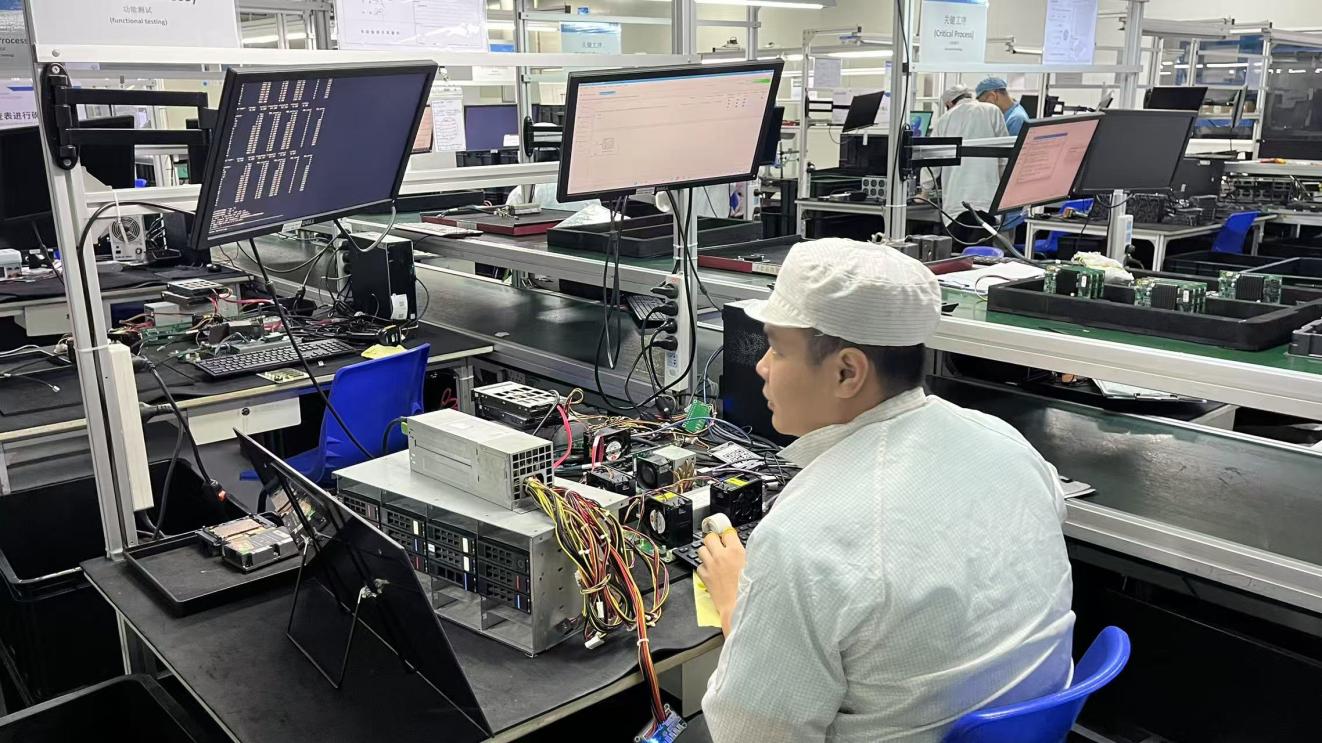
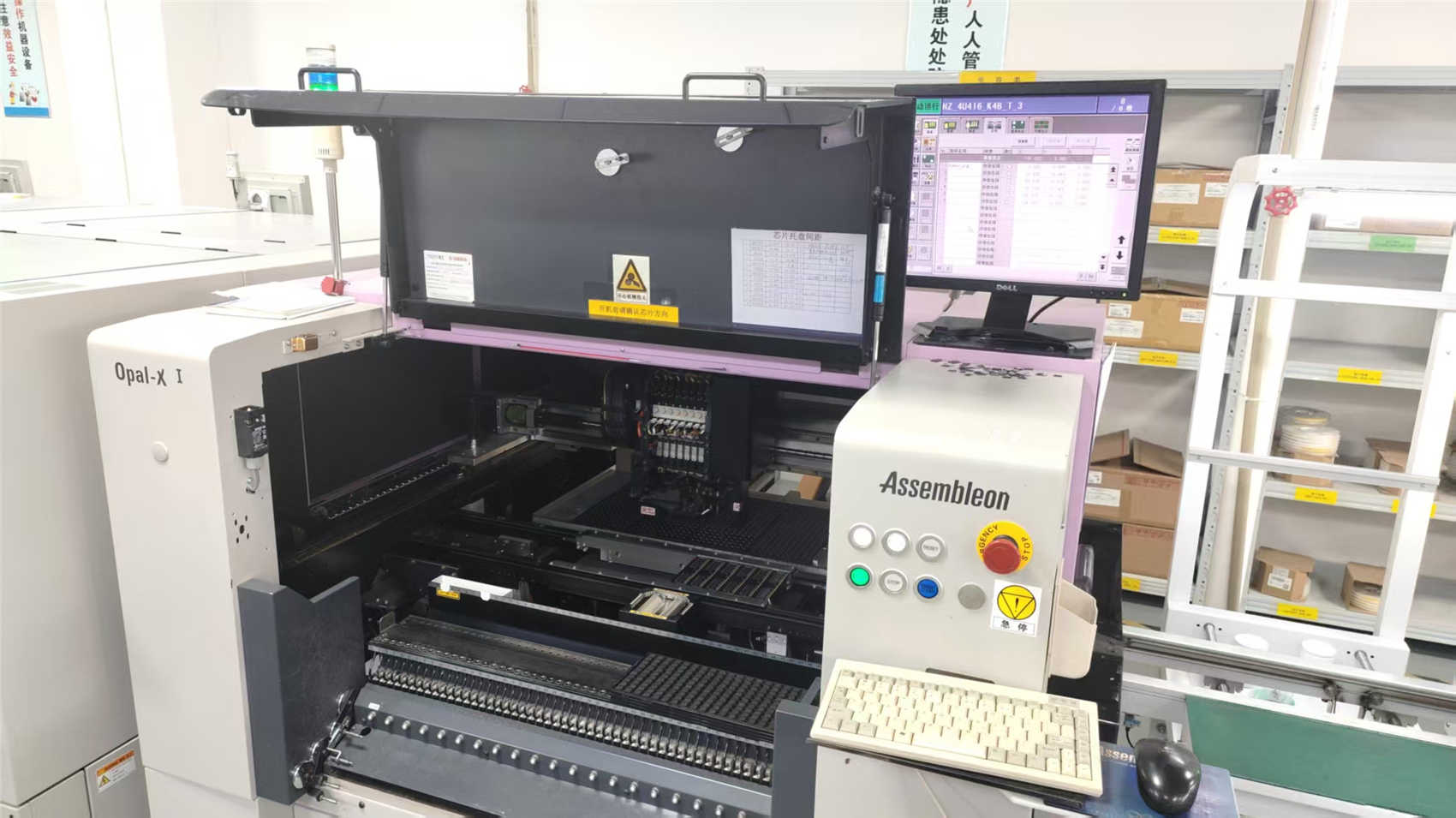
Operating out of our advanced high-precision integration facility in China, Velorix Intelligent Technology Co., Ltd. leverages a highly organized component supply chain to assemble, customize, and validate enterprise-grade server infrastructure. Drawing on 10 years of deep industry expertise, we have developed a collaborative ecosystem of over 850 verified supply chain partners. This strong network guarantees the continuous availability of critical components—from high-performance memory chips to complex multi-layer PCBs and robust metal chassis structures.
Our manufacturing line runs under strict quality control policies, managed by 42 dedicated QC engineers. Each V7 server undergoes a rigorous multi-stage validation checklist, including:
Empowering diverse sectors with high-performance computing capabilities designed for complex, high-throughput digital workflows.
Powering large language models, image recognition networks, and conversational AI agents with high-density GPU nodes and high-speed local NVMe scratch storage.
Accelerating molecular modeling, meteorological simulations, and high-frequency financial calculations via clustered server nodes optimized for low-latency MPI networks.
Delivering reliable, dense virtualization host systems with redundant power supplies, hot-swappable drives, and multi-port high-speed network interfaces.
Procuring server infrastructure at scale requires more than just high-performance silicon. Enterprise buyers look for long-term platform stability, design customization, and seamless compliance across international borders.
At Velorix, we address these complex international requirements through our custom OEM and ODM services. We collaborate closely with IT departments and system integrators to adapt standard server chassis into highly tailored platforms. Whether you need custom BIOS configurations, proprietary BMC management tools, specific PCIe power rail distributions, or customized chassis branding, our team of 135 experienced engineers is equipped to bring your designs to life.
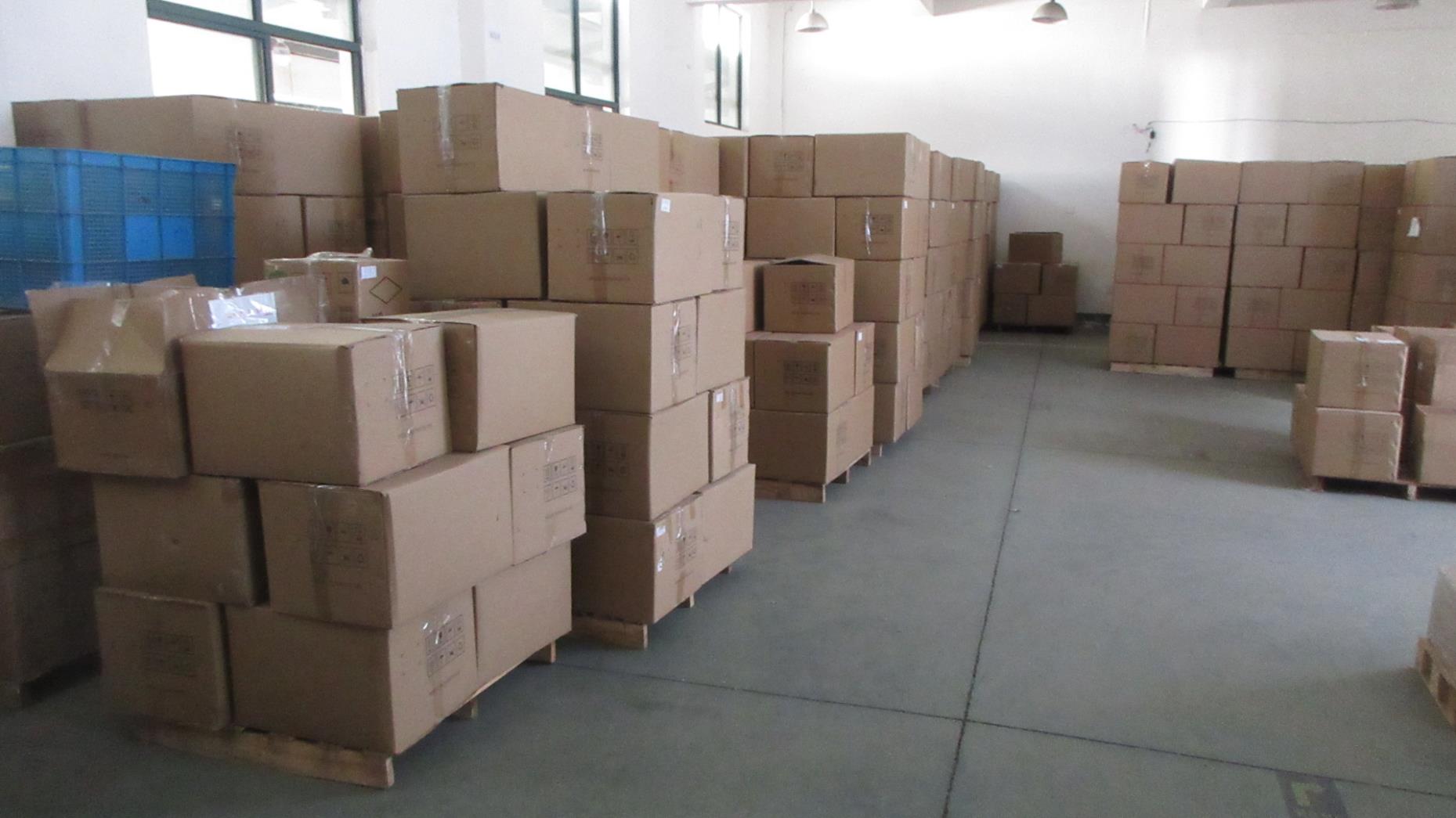
Additionally, we prioritize global compliance. Every server exported by Velorix is certified to meet essential regional standard guidelines, including CE, FCC, RoHS, and UL certifications. We manage export documentation, tariff classification, and specialized shipping methods to ensure your servers arrive safely at data centers in North America, Europe, the Middle East, Southeast Asia, and Oceania.
Expand your data center footprint with our selection of in-stock V6, V7, and high-performance server accessories.
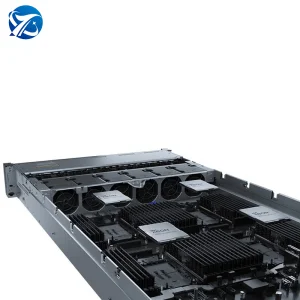
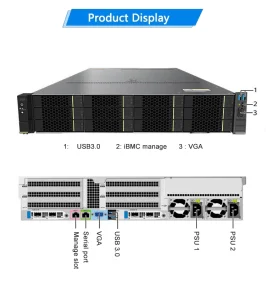
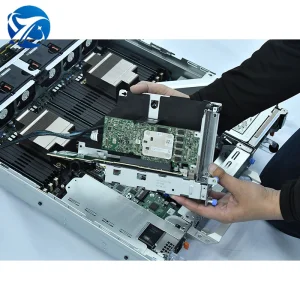
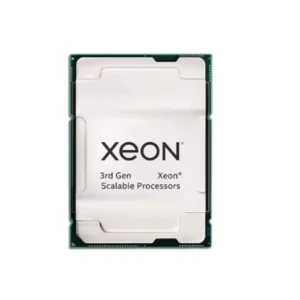
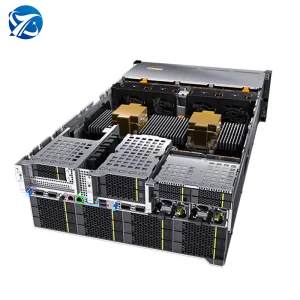
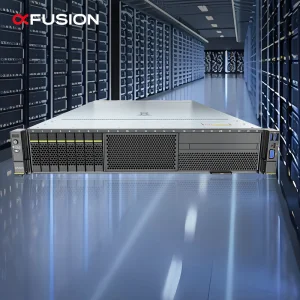
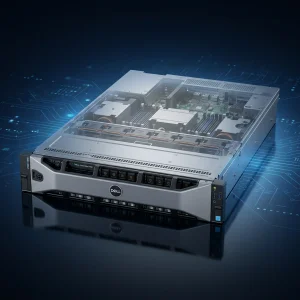
Founded in 2016, Velorix is a specialized manufacturer of high-performance AI GPU servers, GPU computing clusters, and customized enterprise data center solutions.
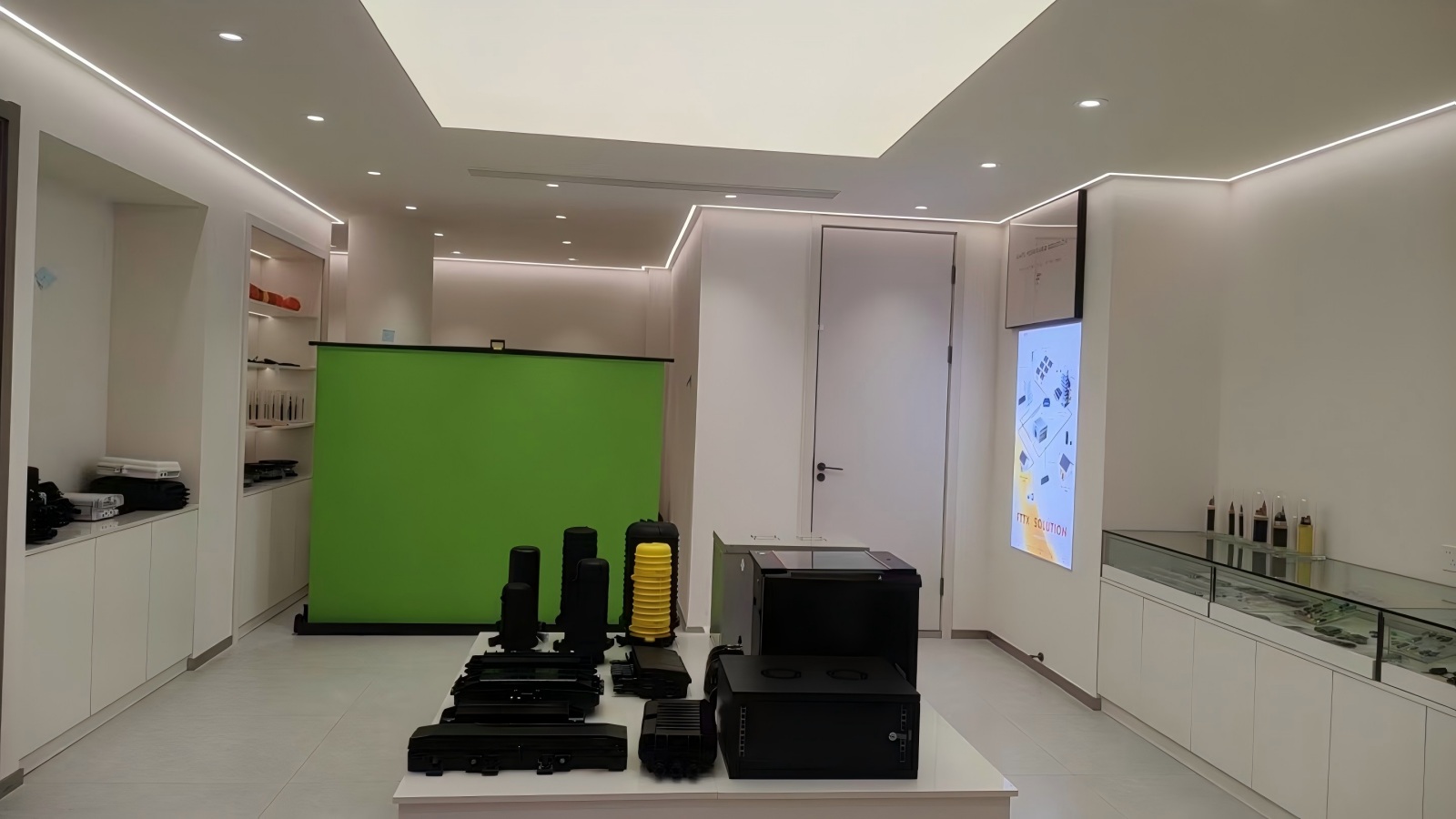
Operating out of a modern, specialized high-precision assembly facility covering 380㎡, Velorix delivers tailored computing configurations designed to handle heavy AI training, deep learning inference, virtual workloads, and enterprise database queries. Our dual focus on manufacturing precision and international trading allows us to provide comprehensive OEM and ODM support, tailoring server architectures, storage setups, and network interfaces to meet specific client demands.
Quality is central to our manufacturing philosophy. With a dedicated team of 42 quality control professionals, we ensure every machine passes rigorous burn-in validation, signal testing, thermal profiling, and load benchmarking before leaving our facility. Over our 6 years of export history, we have established ourselves as a reliable infrastructure partner for clients across North America, Europe, the Middle East, Southeast Asia, and Oceania.
Addressing key technical, compliance, and customization inquiries from enterprise server procurement directors and system architects.